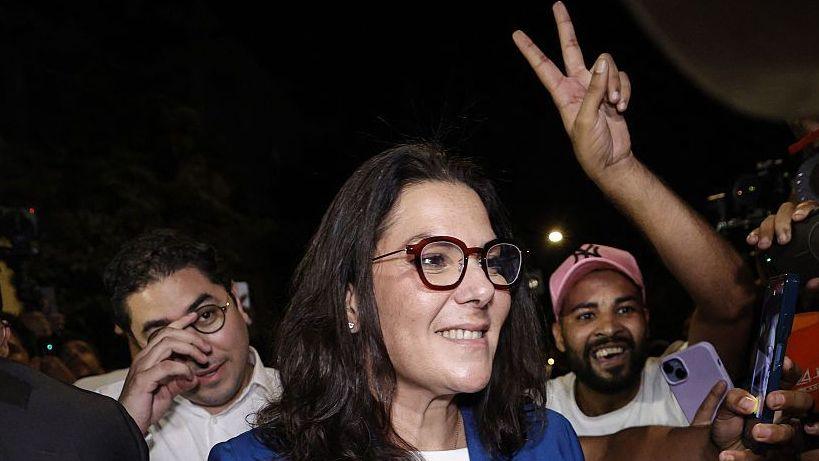

In a moment that could be described as historic, Fatima Zahra El Mansouri has been appointed Morocco’s first female prime minister. The appointment comes after her Authenticity and Modernity Party (Pam) secured the most seats in last week’s parliamentary elections.
El Mansouri, 50, has long been a prominent figure in Moroccan politics. A trained lawyer who studied at Mohammed V University and later in France and the United States, she became the first woman to serve as mayor of Marrakesh in 2009 and has held ministerial roles under former prime minister Aziz Akhannouch. The king appointed her after a brief decision between her and football chief Fouzi Lekjaa.
Although Morocco is a constitutional monarchy, the king retains substantial power, including the choice of head of government. The new prime minister must therefore negotiate a coalition to secure an absolute majority in the 395‑member House of Representatives. Pam currently holds 97 seats and would need to partner with other parties to reach the 198 seats required for a majority. Political dynamics are complex, with recent tensions between Pam and the National Rally of Independents as well as the reaffirmed opposition stance of the Justice and Development Party.
El Mansouri’s appointment marks only the second time a woman has led a government in the Arab world, following Tunisia’s Najla Bouden. While she has avoided public focus on women’s rights, her new role places her in a position to influence gender-sensitive policy debates, including discussions over polygamy and inheritance rights. The move also symbolizes a broader shift toward greater female participation in North African politics.
As Morocco navigates coalition politics and the balance of monarchical authority, the international community will watch to see how this historic appointment translates into concrete policy outcomes and signals for gender equality in the region.