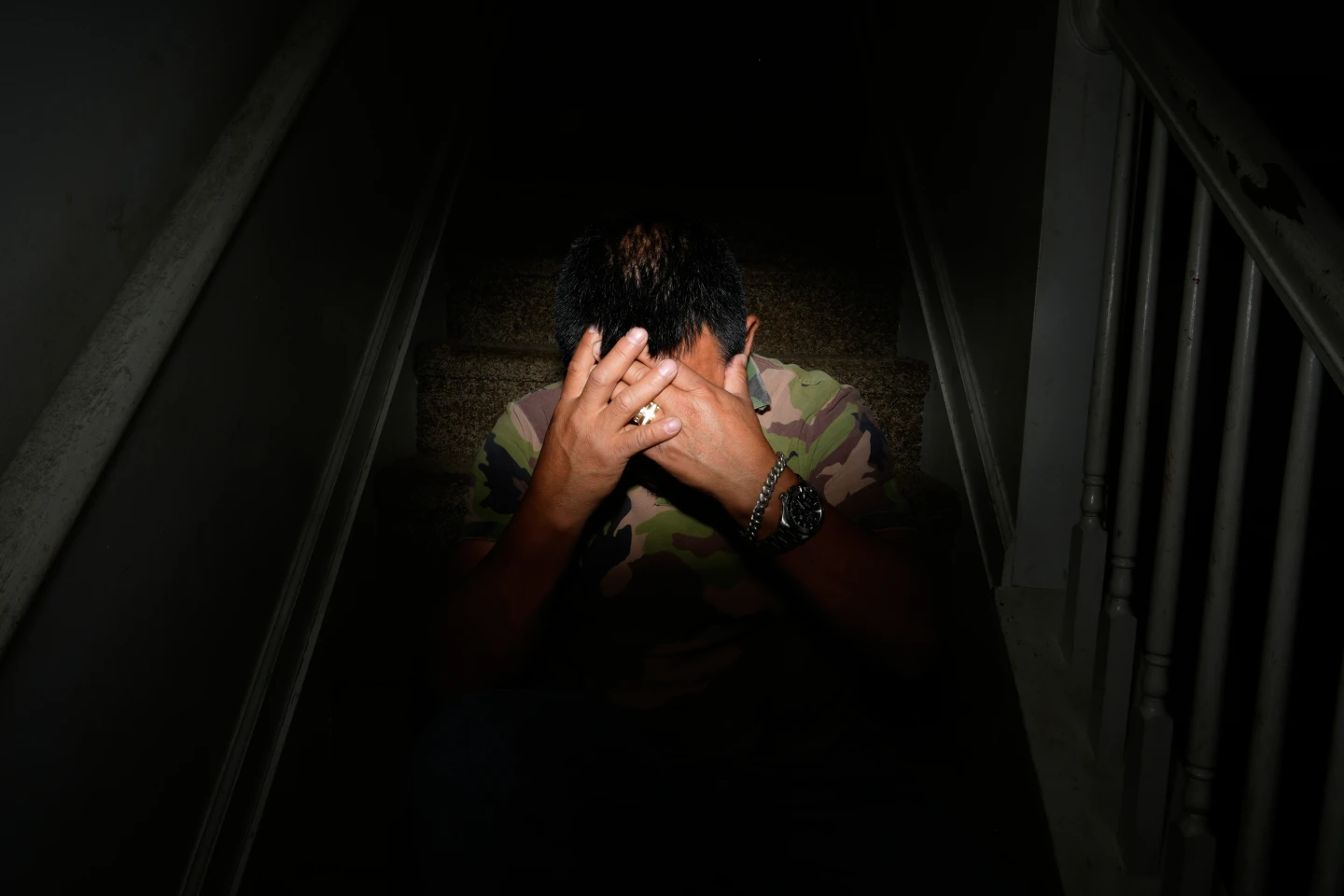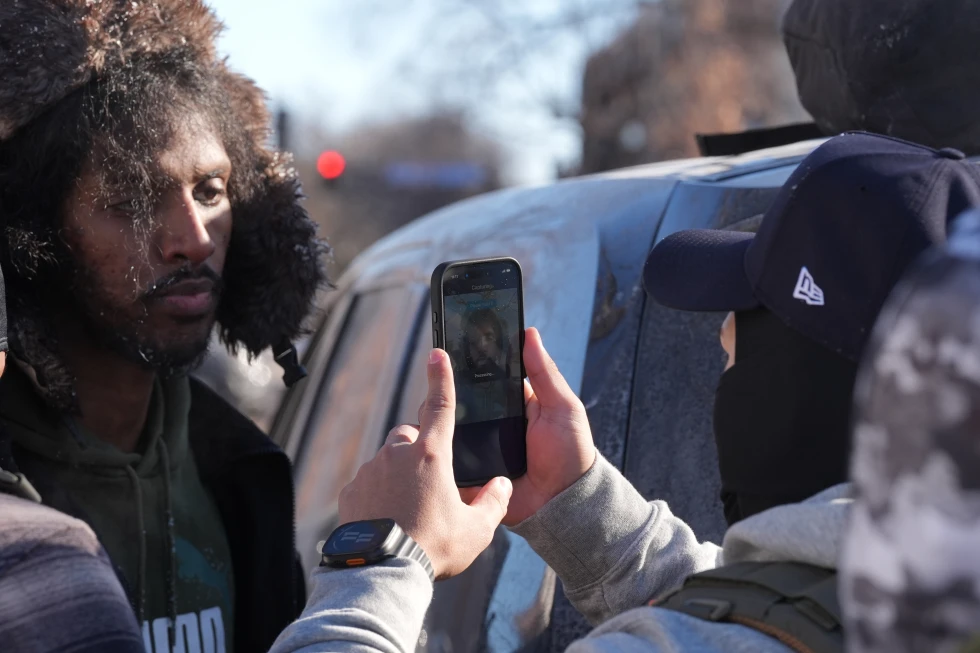
On a frigid morning in Minneapolis, Luis Martinez was abruptly stopped by federal agents while heading to work. Identifying him using facial recognition technology, they interrogated him about his citizenship status. This incident highlights the methods utilized by the Trump administration in its immigration enforcement actions in Minnesota, which has attracted national scrutiny after two U.S. citizens were shot and killed by federal agents earlier this month.
Despite assurances of targeted and focused enforcement, significant evidence suggests a heavy reliance on biometric surveillance and extensive databases by federal agents. This raises serious civil liberties concerns as experts point out the lack of transparency and oversight associated with such surveillance measures.
Martinez's experience underscores a growing unease among communities in Minnesota. He expressed that what was once perceived as a diverse and welcoming community now feels intimidating and unsafe due to increasing federal enforcement activities.
The Department of Homeland Security (DHS) defends its use of technology such as facial recognition as necessary for combatting crime. However, critics like Dan Herman, a former senior adviser at Customs and Border Protection, argue that these practices infringe upon privacy rights and lack appropriate checks to prevent misuse.
Additionally, the recent use of the Mobile Fortify facial recognition application, which DHS disclosed it utilizes during enforcement operations, furthers concerns regarding the ethical implications of such technologies without strict regulations.
Further complicating the landscape of surveillance, DHS is piloting more than 100 artificial intelligence systems for law enforcement activities. This growing technological arsenal raises pressing questions about the scope and limitations of its deployment against lawful protests and civic engagement.
As the conversation around federal surveillance intensifies, Martinez’s words resonate: It’s terrifying. It’s not safe anymore, encapsulating the fears of residents navigating life amid heightened scrutiny and surveillance.