In brief
Joel Le Scouarnec, facing charges of abusing 299 patients, primarily children under 15, expressed remorse in court, recognizing the indelible harm he caused over 25 years. During one of France’s largest child abuse trials, he acknowledged the lingering trauma experienced by his victims, some of whom were utterly unaware until investigators revealed their names from his disturbing diaries. With a backdrop of emotional testimonies and community protests, the trial has ignited discussions surrounding medical accountability and the protection of vulnerable individuals within healthcare systems.
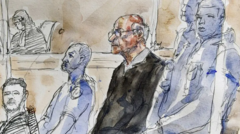
Le Scouarnec's confession highlighted the profound impact on the lives of his alleged victims, some of whom had no recollection of their trauma. His remarks about the necessity of accountability resonated deeply within the courtroom filled with lawyers and supporters for the victims, sitting separately due to the sheer number of casualties. Public prosecutor Stéphane Kellenberger emphasized the exceptional nature of the case, where investigators had to notify victims of their abuse following evidence from Le Scouarnec's diaries.Mauricette Vinet, a grieving grandmother of a victim, illustrated the emotional fallout arising from the abuse, stating that her grandson's life was irrevocably altered due to Le Scouarnec's actions. The court heard from psychologists present to support victims as they shared their experiences, further emphasizing the depth of psychological scars caused by the alleged crimes.The trial also spotlighted systemic failures that allegedly allowed Le Scouarnec to continue his medical career despite earlier warnings from the FBI about his access to child abuse material. Various advocacy groups and community members rallied outside the courthouse, demanding accountability for the "code of silence" that allegedly protected medical professionals who engaged in misconduct.Responses from legal representatives have underscored the controversy surrounding medical associations implicated in the case, with some questioning their concurrent role as plaintiffs while representing child advocacy groups. The public's reaction to the trial underscores a broader conversation on child protection and institutional responsibility.As the trial unfolds, it is expected to shed light on not just Le Scouarnec's admissions, but also the mechanisms that permitted such behavior to go unchecked for decades. The discussions are likely to continue resonating beyond the courtroom, motivating advocacy for reforms in medical practices and greater protection for society's most vulnerable.