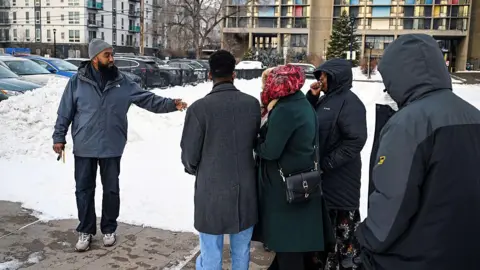
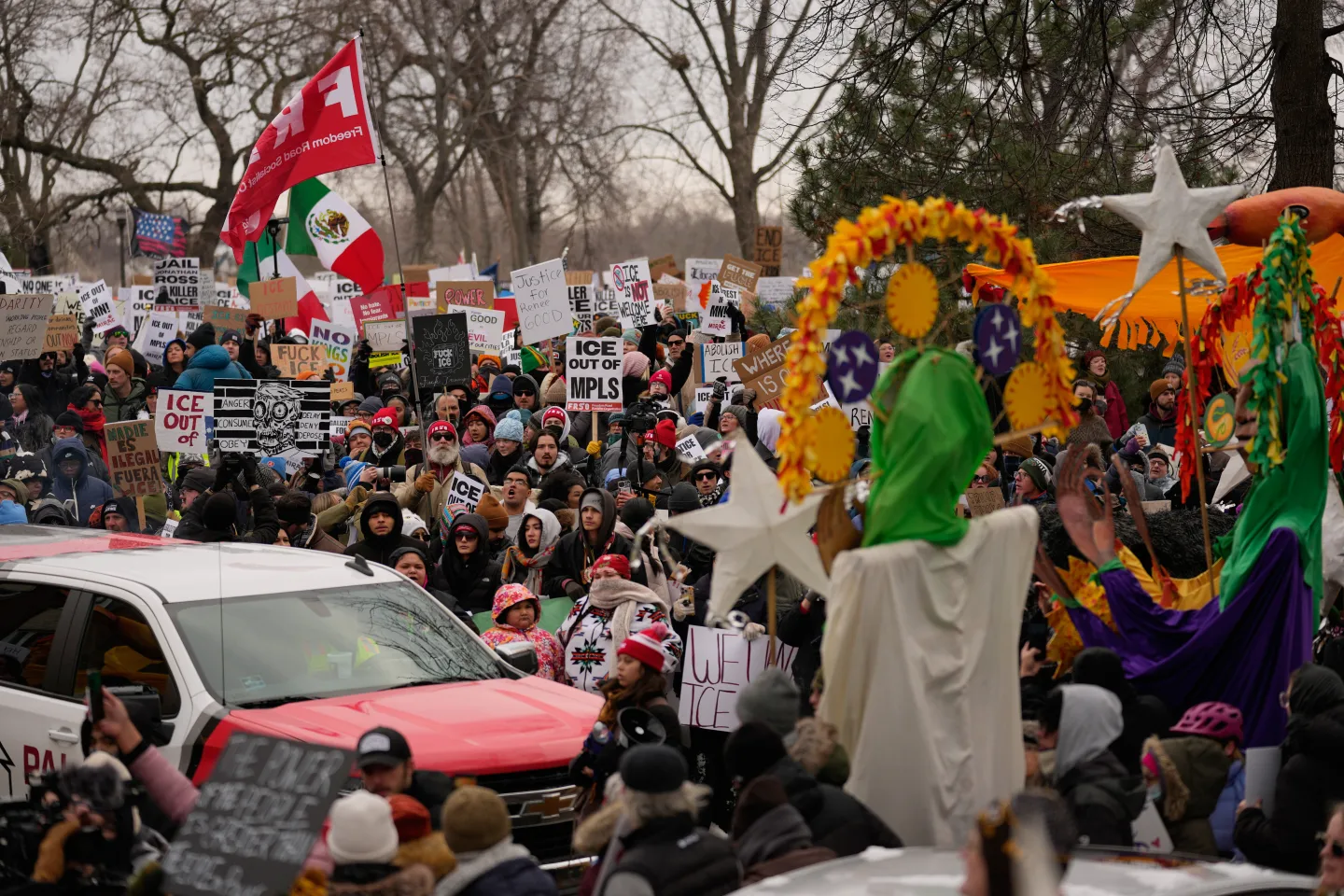
The president of the Oglala Sioux Tribe, Frank Star Comes Out, recently walked back statements made in a memo and press release asserting that U.S. Immigration and Customs Enforcement (ICE) had arrested four tribal members in Minneapolis. Following these claims, the Department of Homeland Security (DHS) stated they could not confirm any arrests or even encounters with the tribal members, further denying that they sought an immigration agreement from the tribe.
Amidst heightened concerns regarding immigration enforcement under the Trump administration, Star Comes Out expressed that federal officials allegedly suggested the tribe could obtain information about the whereabouts of tribal members if they entered into an immigration agreement. However, in a subsequent memo, Star Comes Out claimed this had been “misinterpreted” and specifically noted that there had been no demand for such an agreement.
Star Comes Out had previously stated that when inquiring about the alleged arrests, federal officials informed the tribe that entering an agreement could facilitate access to vital information regarding detained citizens. He maintained that the tribe was cooperating with federal officials to verify the claims surrounding the alleged arrests, which he categorized as a potential violation of treaties.
However, DHS officials countered, reiterating that they had not combated claims from individuals asserting they were Oglala Sioux Tribe members, and emphasized that their interactions with the tribe had been limited to requests for basic information without any form of contractual arrangements.
This incident underscores a long-standing tension between the Oglala Sioux and ICE and reflects ongoing discussions within Native American communities regarding cooperation with federal agencies. Similar concerns have been expressed in other tribal nations, where leaders have encouraged members to carry identification to mitigate disputes with law enforcement, especially in the face of escalating accusations against federal immigration practices.
The relationship between the Oglala Sioux Tribe and federal authorities predictably continues to be fraught with complexities, highlighting the broader implications of immigration policies on Indigenous communities amid increasing scrutiny of federal enforcement tactics.