In brief
The Panama Canal Authority (ACP) announced that starting 15 September it will limit the number of ships transiting the canal from 36 a day to 32 in response to reduced water‑levels caused by the El Niño climate pattern. The move aims to preserve service reliability and safeguard the water resources used for drinking. Despite the canal’s crucial role in global trade—handling about 14 000 ships each year and generating roughly $3 bn in revenue—environmental shifts and regional trade disruptions, such as those related to the Iran conflict, have prompted ACP to adopt stricter water‑management strategies. The channel’s new rules will roll out from 3 September, echoing earlier water‑saving measures taken during the last El Niño cycle, when Panama recorded its driest October on record. Analysts warn that this year’s El Niño could be the strongest yet, amplifying impacts on weather, food supplies and economies worldwide.
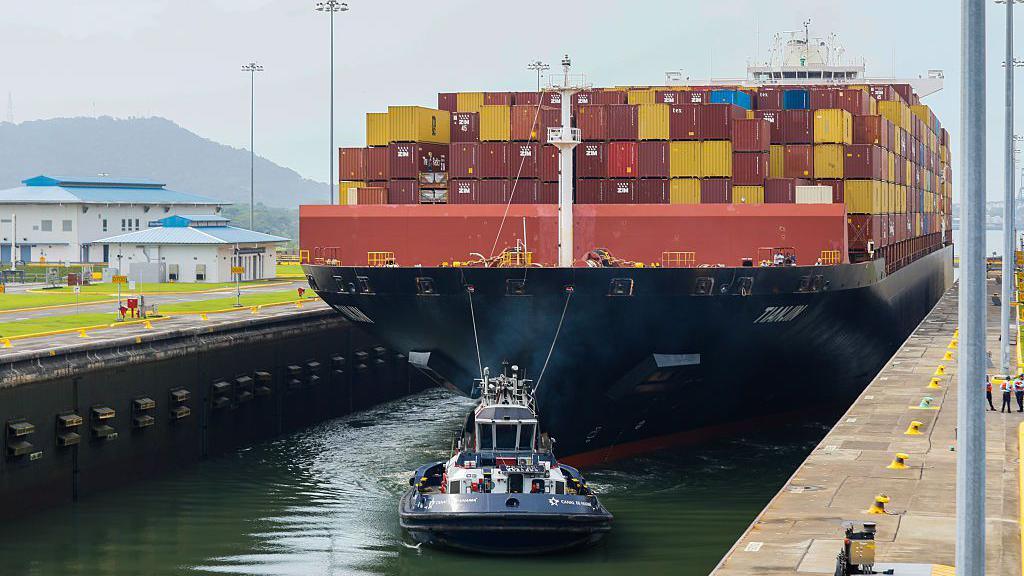
Panama Canal's operator is set to reduce vessel traffic due to low rainfall triggered by El Niño.
The Panama Canal Authority (ACP) informed shipping firms that, from 15 September, only 32 vessels a day will be allowed to pass through the waterway, down from today’s 36.
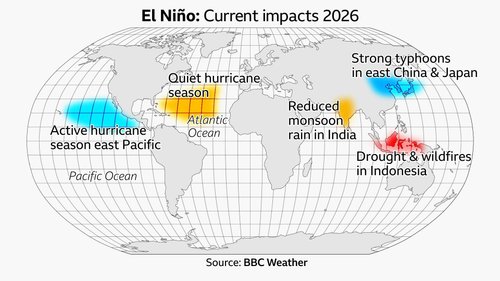
El Niño, a periodic warming of sea surface temperatures, pulls in drier weather across the globe. The dry spell in Central America is intensified by climate change, creating pressures on the canal’s freshwater supplies.
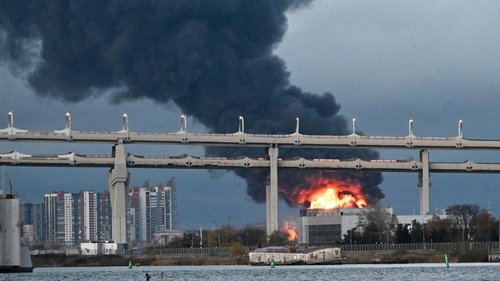
Shipping companies are already coping with disruptions from the Iranian war, which has cut back traffic through the Strait of Hormuz. The Canal’s new limits are meant to keep the transit service reliable while protecting the water used for human consumption.
The ACP stressed that, even with the coming of the rainy season and current water‑savings measures in place, further action was necessary to support the long‑term sustainability of operations. The new policy will begin to take effect from 3 September.
The Panama Canal shortens the distance a ship must travel between the Atlantic and Pacific oceans, cutting both time and fuel costs. The channel operates 24 hours a day, 365 days a year, and handles about 14 000 ships per year, generating roughly $3 bn (£2.2 bn) in annual revenue for Panama.
During the last El Niño cycle ACP cut vessel traffic after Panama experienced its driest October on record since 1950. Since then, water‑conservation measures have been introduced to reduce canal usage of freshwater.
Many forecasts now suggest that this year’s El Niño could be one of the strongest ever recorded, potentially causing widespread disruptions to weather, food supplies and economies worldwide.