In brief
Philippines officials blasted a China Daily post in which a monkey wearing a Filipino shirt is forced onto a karaoke stage by US and Japanese flags, calling the clip racist and dehumanising. The foreign ministry called for its removal, warning it spreads distrust, while defence secretary said it exposes China’s propaganda machine. The controversy comes amid increasing maritime skirmishes between Manila and Beijing over the Spratly Islands and Scarborough Shoal, where Chinese coast guard has used high‑pressure water cannons. Beijing has ignored a 2016 court ruling that invalidated its claims, and recent actions—floating barriers and blocked travel for Philippine defence officials—heighten the friction. The clip remains on China Daily’s Facebook page, and Chinese authorities have not yet responded.
Philippine officials slammed a recent video from China Daily that depicts a monkey wearing a Filipino shirt as a figurative mascot, portraying the country as a timid creature under the power of the US and Japan. The broadcast, created with AI, forces the monkey onto a karaoke stage on a boat, then shoves it into the sea with a water cannon after its performance is criticised.
The foreign ministry demanded the clip be taken down, arguing it is dehumanising propaganda that widens distrust between Manila and Beijing. Defence Secretary Gilbert Teodoro called the piece contemptible propaganda, stating it reveals China’s moral bankruptcy. The video remains on China Daily’s Facebook page as of July 17.
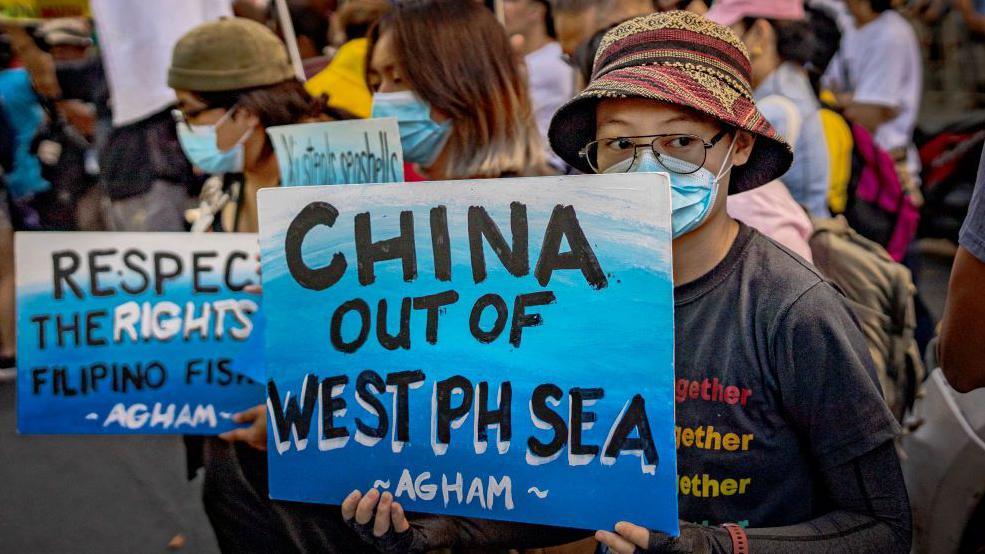
These events occur amid simmering disputes in the South China Sea, particularly over the Spratly Islands and Scarborough Shoal – only 160 km from the Philippines and 500 km from China. Chinese coast guard vessels have regularly used high‑pressure water cannons against Philippine ships, causing damage and injuries. In June, Beijing erected a floating barrier at the shoal, later removed after diplomatic protests, and barred Teodoro and his family from entering mainland China.
Ten years after the Permanent Court of Arbitration in The Hague ruled in favour of the Philippines on the 2016 arbitration award, Beijing has rejected the decision, insisting the tribunal lacks jurisdiction. The monkey clip is part of a broader series by China Daily mocking Manila’s actions, including cartoons of the country as a clown or snake.
China has yet to respond to Manila’s condemnation. The incident highlights the role of media narratives in escalating an already tense geopolitical arena, where both sides accuse each other of provocations that sometimes involve weapons. As the dispute persists, diplomatic and public‑relations tactics like the monkey video could further polarise public opinion on both sides.