Philippine President Ferdinand Marcos has announced new measures to address a growing energy crisis, induced by geopolitical tensions and rising oil prices. In a national address, he declared a state of emergency to procure additional oil supplies.
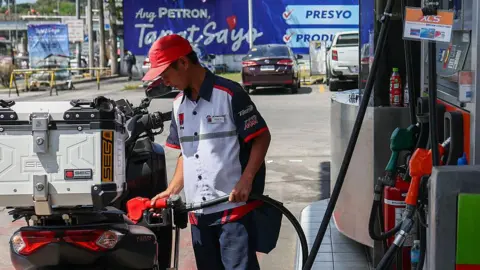
The declaration follows alarming reports that petrol and diesel prices in the Philippines have more than doubled, triggering concerns about a national energy security crisis. President Marcos has announced plans to procure one million barrels of oil to augment the current stock, which is already projected to last about 45 days.
We will have a flow of oil. Not just one delivery, not two deliveries, but a flow of various oil-related products, President Marcos assured during his speech.
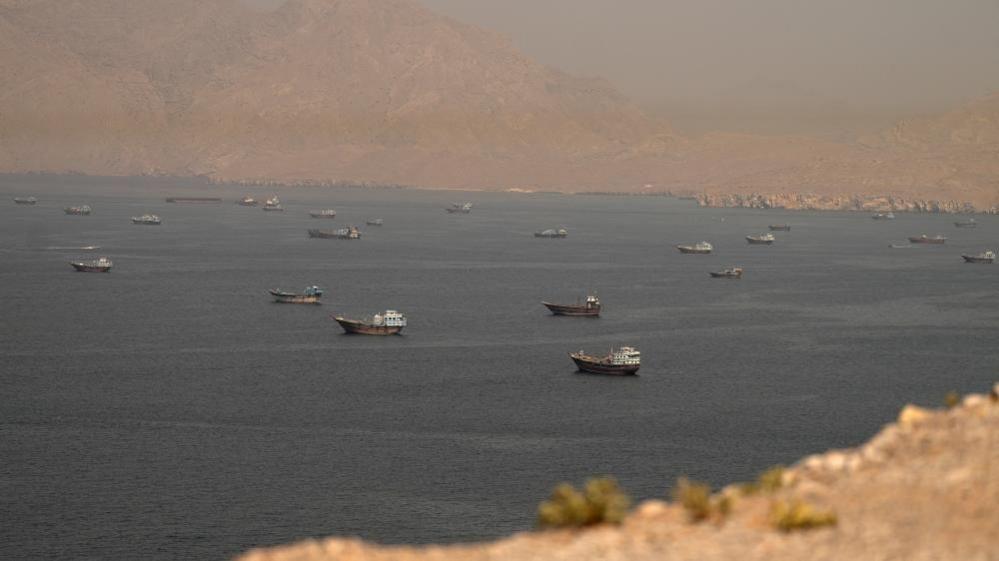
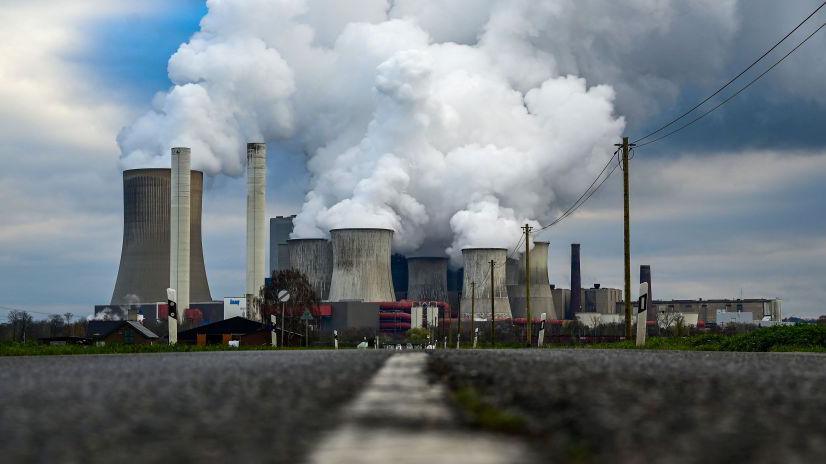
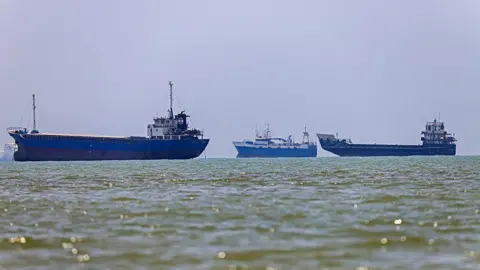
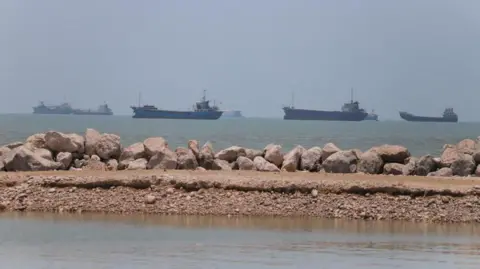
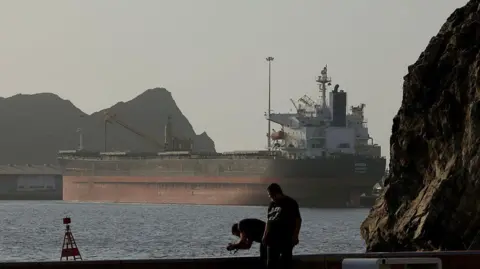
The Philippines, which relies on imports for about 98% of its oil, is facing significant repercussions from the ongoing conflict in the Middle East that has disrupted global oil supplies, particularly through the crucial Strait of Hormuz.
This emergency declaration allows the government to enforce measures aimed at ensuring energy stability and protecting the economy at large, reflecting the serious nature of the situation.
Despite government assurances, public sentiment is building against perceived delays in response to the crisis. Transport union groups, in particular, have criticized the administration's handling of the situation and plan to organize strikes, demanding actions such as the repeal of fuel taxes and measures to roll back prices.
Labor organizations like Kilusang Mayo Uno have called the emergency declaration an admission of prior failure to manage the oil crisis effectively, pointing to previous government claims that the situation was under control.
In contrast, influential industry figures, including business tycoon Manuel V. Pangilinan, have supported Marcos' emergency authority, underscoring the operational strains due to rising energy costs on businesses.
As the Philippines grapples with these challenges, it becomes increasingly clear that strategic partnerships, including potential collaborations with the United States for oil imports, may play a pivotal role in shaping its energy security response in the coming months.