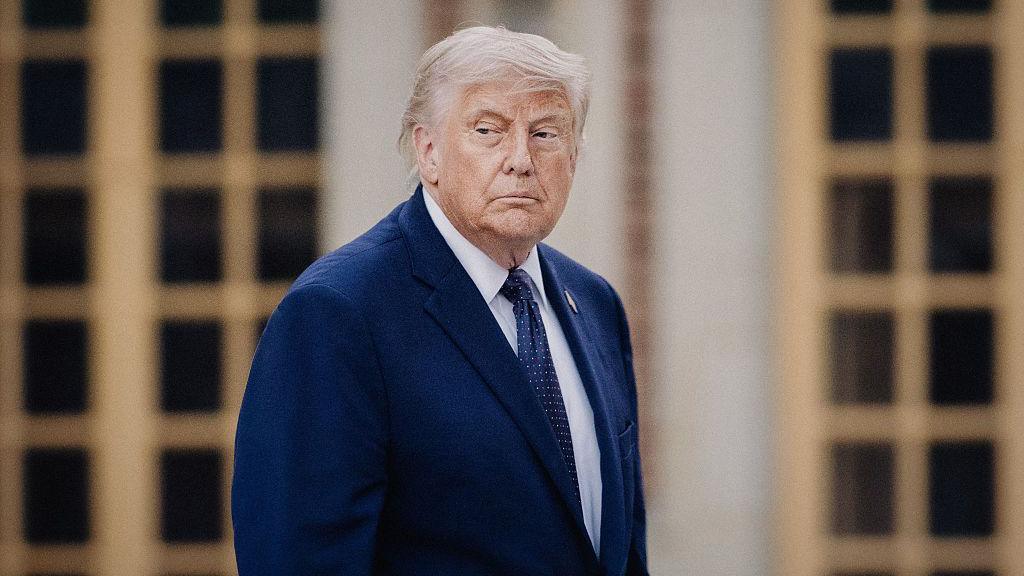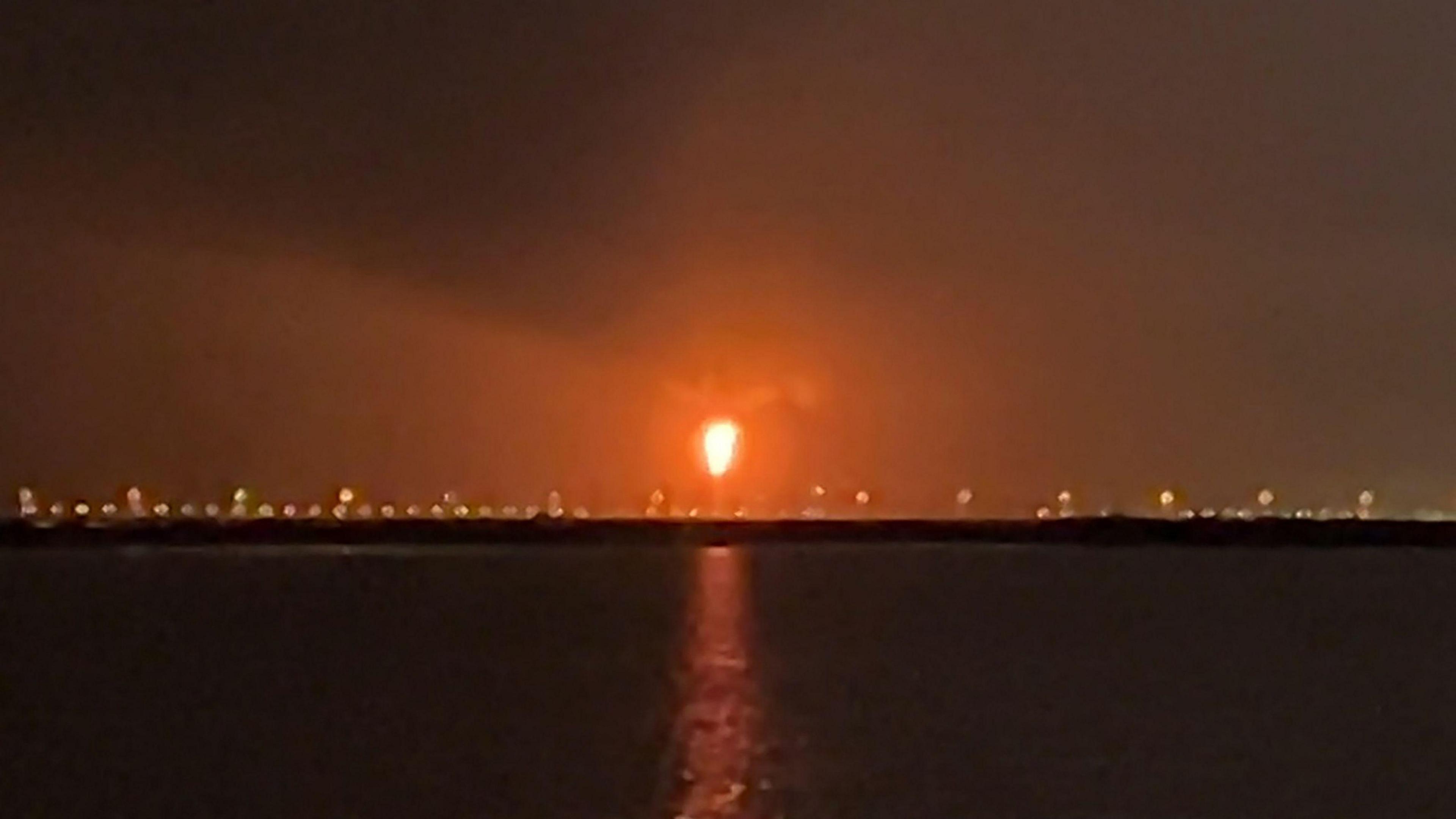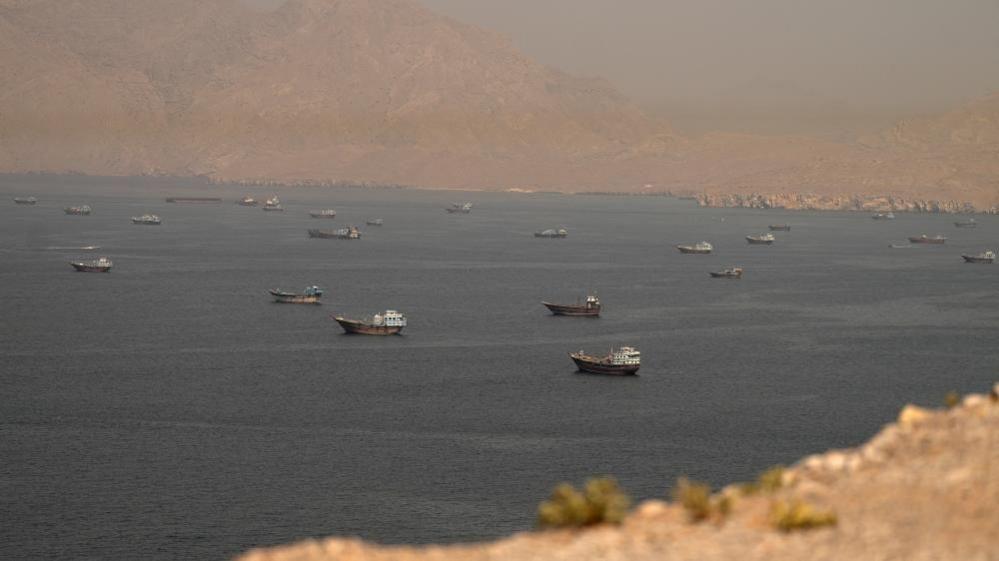
U.S. President Donald Trump has hinted at the possibility of deploying troops to seize control of Iran's Kharg Island, a crucial oil export terminal located in the northern Gulf. This strategic maneuver raises questions about the motivations behind the action, its execution, and the potential risks involved.
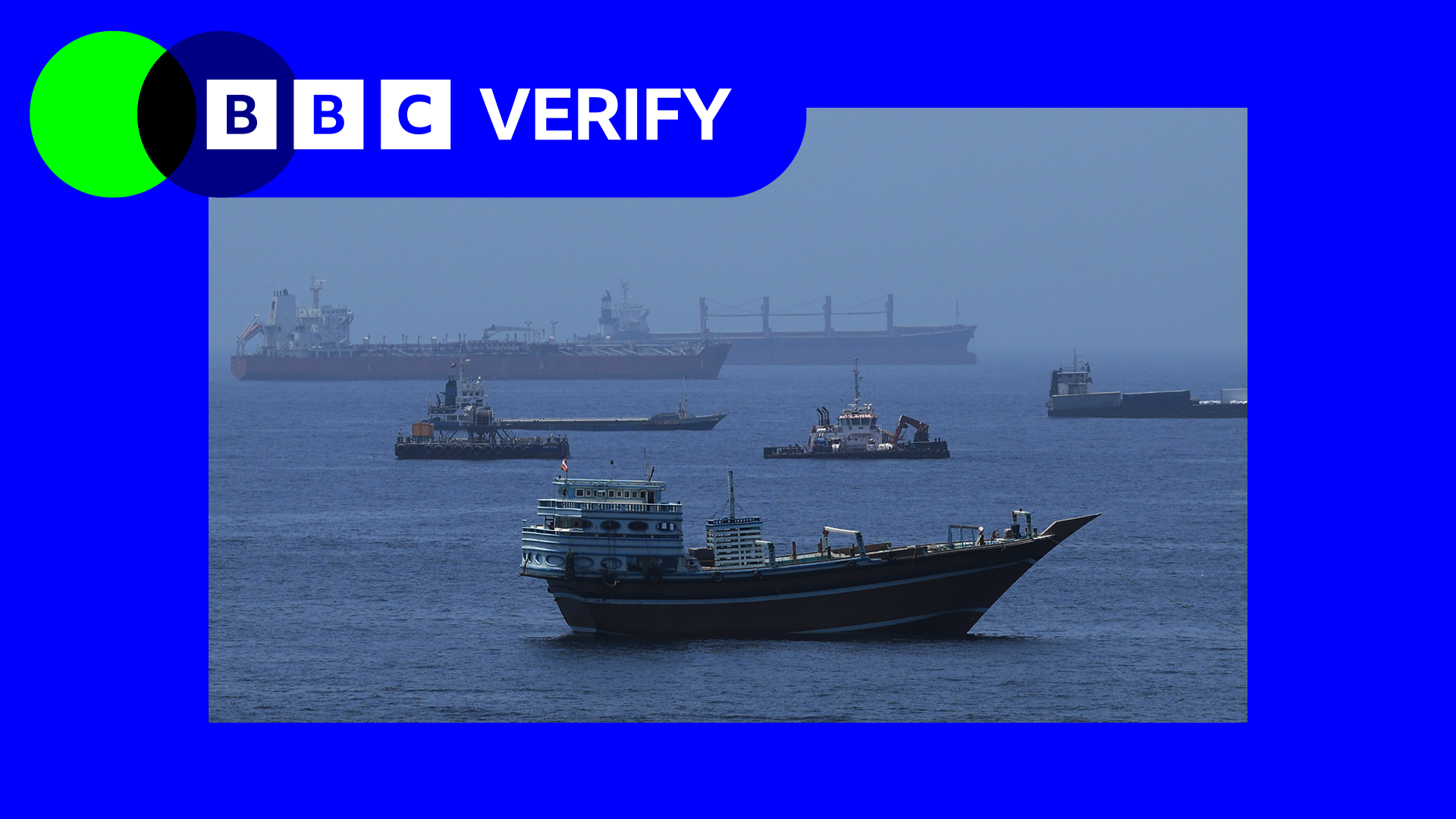
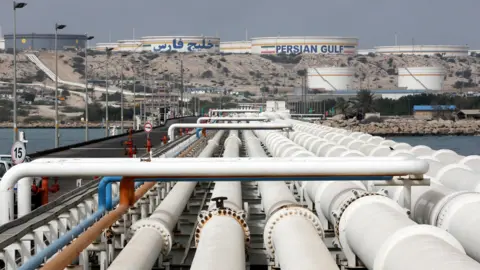
Kharg Island has been Iran's primary outlet for oil exports, with its deep waters accommodating Very Large Crude Carriers (VLCCs) capable of transporting around two million barrels of oil. Notably, nearly 90% of Iran's oil exports are funneled through this terminal.
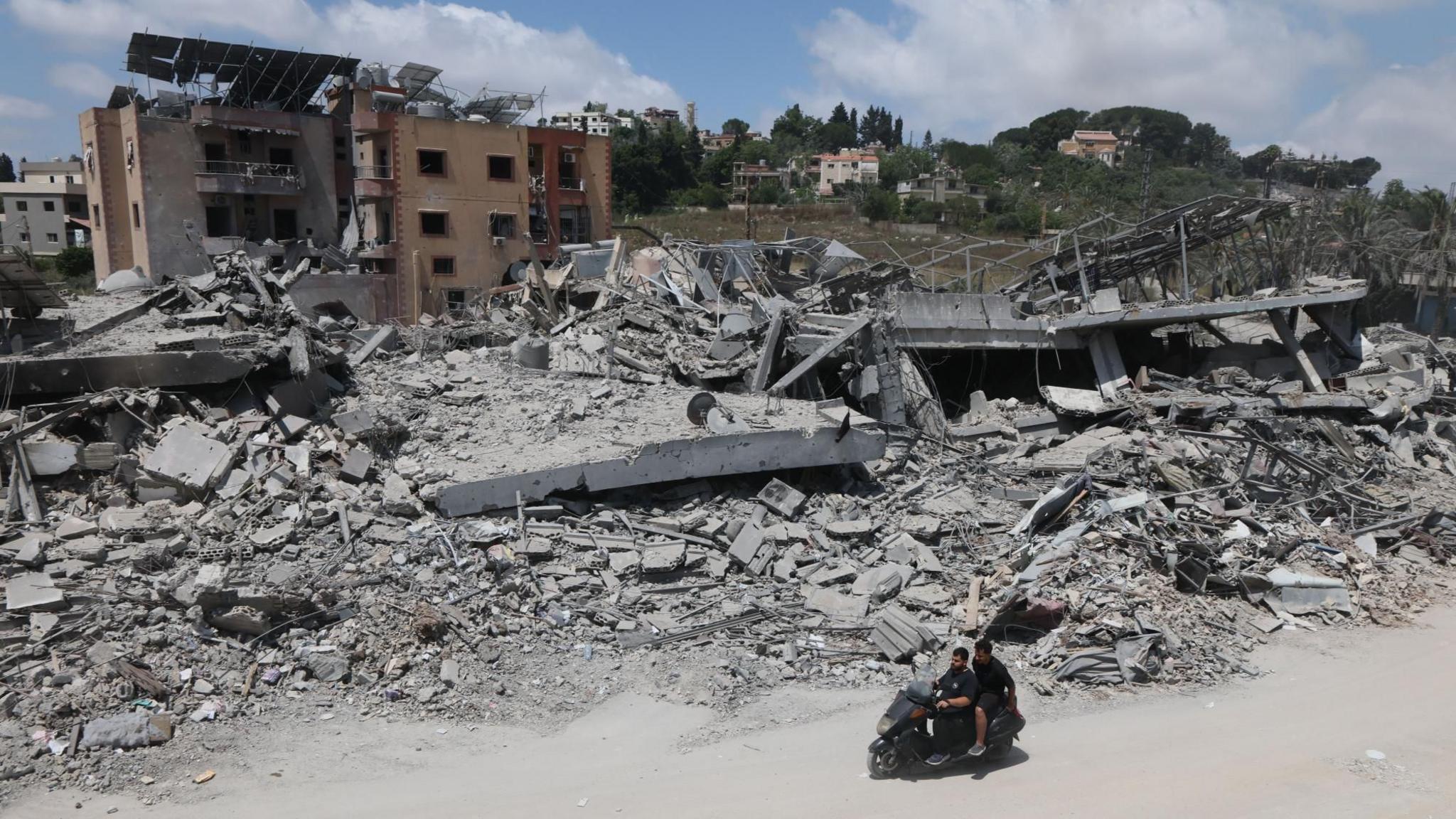
Historical records indicate that Kharg was heavily bombed during the Iran-Iraq war in the 1980s, and the U.S. military has recently targeted this area, albeit sparing the oil infrastructure. Should a U.S. incursion occur, it would likely aim to temporarily disrupt Iran's fuel exports and pressure the Iranian government to make concessions regarding its control over the vital Strait of Hormuz.
However, the resilience of the Iranian regime raises concerns about the effectiveness of such a strategy. Iranian officials, including parliament speaker Mohammad Bagher Ghalibaf, have vehemently warned against any U.S. invasion, pledging a fierce military response, especially as Iran enhances its defenses around Kharg Island with advanced weaponry.
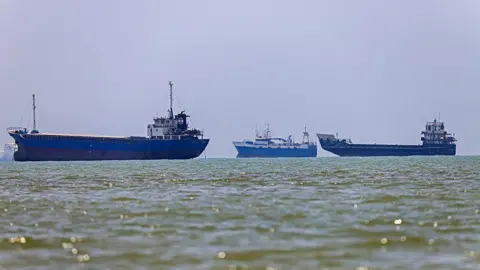
Adding to the complexity, the U.S. has deployed nearly 5,000 Marines and around 2,000 paratroopers to the region, prompting speculation about a possible ground operation to secure Kharg. An airborne assault could occur under the cover of night, while U.S. Marines would likely land from ships equipped with advanced amphibious vehicles.
Given the potential for confrontation, any U.S. landing would face significant challenges, including Iranian anti-personnel mines and drone swarms focused on defending the territory. While the U.S. military is equipped with superior firepower, the prospect of high casualties looms large.
Maintaining control over Kharg after an initial seizure poses another set of hurdles for U.S. forces, potentially subjecting them to retaliatory attacks from Iranian mainland positions.
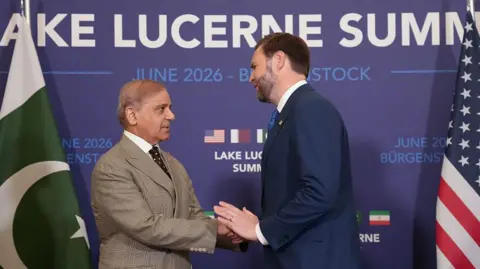
Compounding the situation is the ongoing rhetoric from both nations, with Iran accusing the U.S. of duplicity by initiating peace talks while simultaneously mobilizing troops. Trump has asserted that discussions with Iran could potentially lead to a de-escalation of military activities.
In contemplating military action against Kharg Island, some analysts suggest the operation may not be a mere show of strength but rather part of a larger strategic deception or negotiation stance. Several alternatives in the Gulf, such as Larak Island and Qeshm, also present strategic value and could serve as focal points for U.S. interests.
In conclusion, the international community watches closely as President Trump's administration grapples with the significant implications of potential military action against Iran. The juxtaposition of military posturing alongside diplomatic discussions could determine the course of U.S.-Iran relations and regional stability.