In a push that has gained traction across various states, anti-tax advocates are advocating for the complete elimination of property taxes on homeowners. Rising property values have significantly inflated tax bills, prompting calls for reform. Lawmakers are challenged with balancing the desire for tax relief and the necessity of funding essential services such as education and local governance.
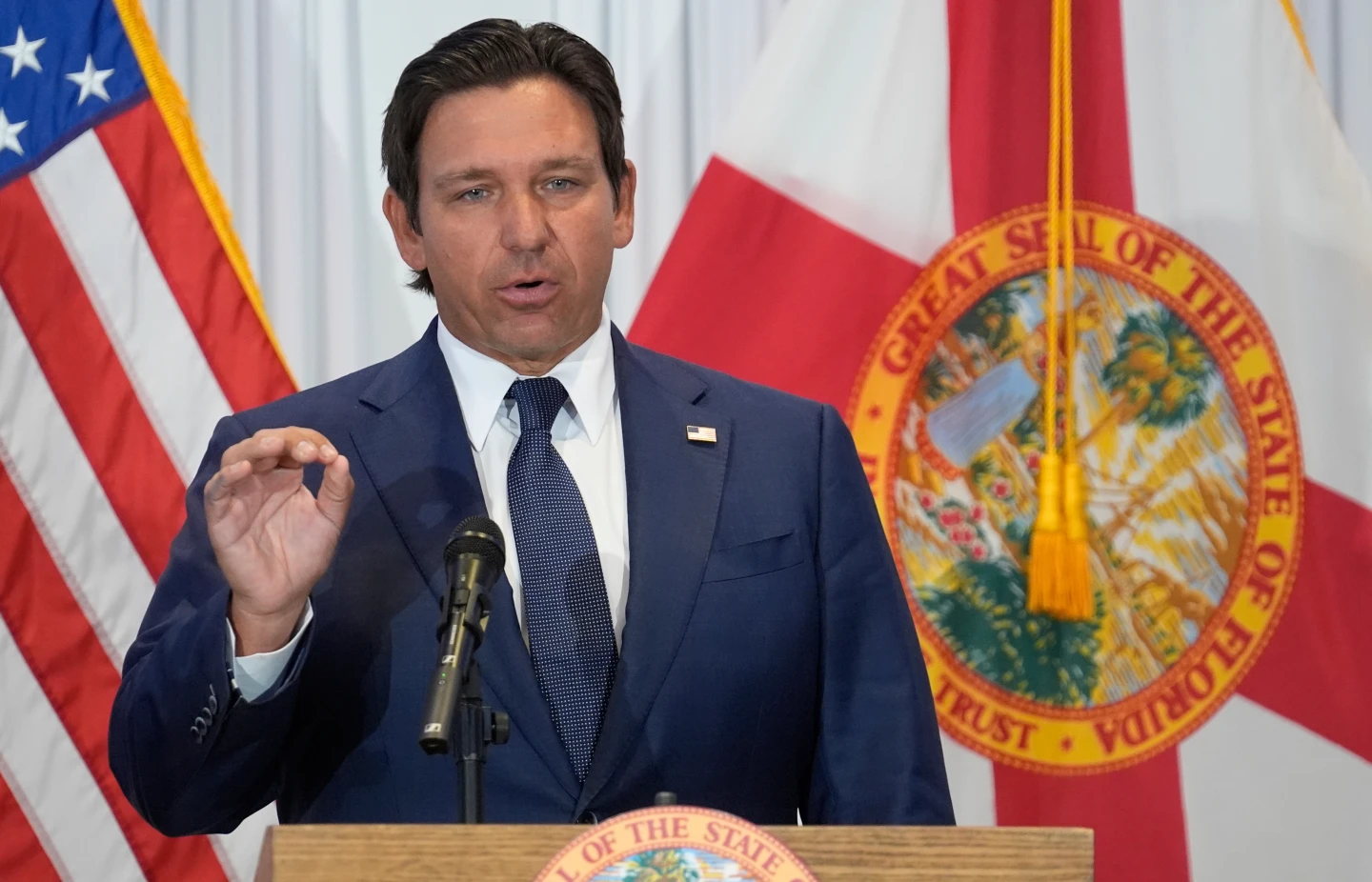
For instance, North Dakota is utilizing funds from its oil revenue to phase out homeowner property taxes, while Florida's Governor Ron DeSantis aims to implement a plan to gradually reduce taxes over the next decade. Meanwhile, proposals in Georgia have emerged, suggesting a complete phase-out by 2032, with ongoing discussions in Texas regarding school property taxes.
Recent statements from Republican lawmakers highlight a growing sentiment against property taxes, likening them to government ownership of property, and stressing the importance of securing residents' rights to their homes free from tax burdens.
Despite the appeal of these initiatives to relieve financial pressures on homeowners like 65-year-old Tim Hodnett in Atlanta, the practical implications raise concerns. Many question how local governments and schools will compensate for potential revenue losses from lowered tax collections, especially given their heavy reliance on such income for vital services.
As efforts to enact these changes continue, the debate remains polarized, with significant implications for local economies and public services.
A Shift in Taxation Philosophy
Amid these property tax elimination proposals, there exists a shift toward increasing reliance on sales taxes and other forms of revenue generation. Georgia House Speaker Jon Burns has proposed reallocating property tax funds to bolster sales tax revenues, emphasizing a strategy that would require both legislative support and voter approval. However, such changes would require significant adjustments from local governments in managing taxation structures and spending priorities.
Authorities, including Florida's Chief Financial Officer, have argued that current spending practices by local governments warrant a reevaluation of the necessity for property taxes, leading to a contentious exploration of alternative funding mechanisms to ensure community services remain robust without compromising local tax obligations.
As discussions evolve, the future of property taxes and the financial landscape for homeowners across the nation will continue to unfold, shaped by political maneuvering and voter sentiment, especially as elections approach.