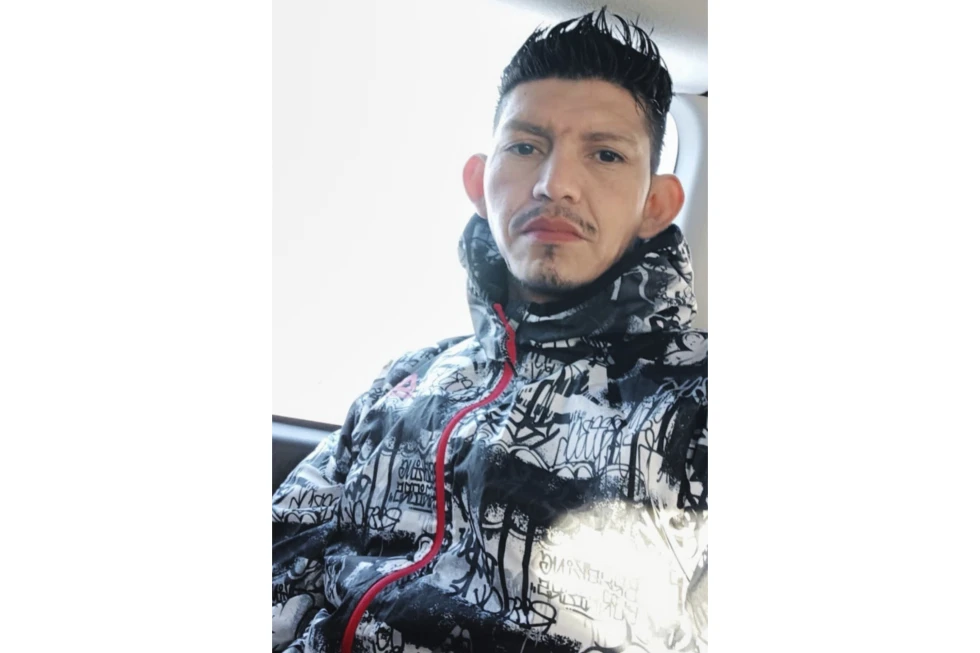
The death of Victor Manuel Diaz, a 36-year-old Nicaraguan man, has once again spotlighted the grim realities of immigration detention in the United States. Detained by immigration agents in Minnesota on January 6, Diaz was later transferred to Camp East Montana in El Paso, Texas, where he was found dead on January 14. According to a 911 call, authorities reported he attempted suicide, with initial claims suggesting he hanged himself with his pants tied around his neck.
Diaz's death is not an isolated incident; it marks at least the third death of a detainee at Camp East Montana since its opening, where advocacy groups have accused the facility of neglect and abuse. The camp is designed to hold up to 5,000 detainees, and questions surrounding its operational protocols have intensified following multiple fatalities and troubling reports of detainee treatment.
Randall Kallinen, an attorney representing Diaz’s family, has expressed skepticism about the suicide ruling, noting that Diaz was reportedly not depressed, and was looking forward to reuniting with his family in Nicaragua. This aligns with broader calls for transparency regarding the mental health and treatment of detained immigrants.
Reports indicate that following his detention, Diaz's family lost contact with him, and they were informed of his death by ICE days later. Family members described their shock and disbelief upon receiving the news. Carlos Morales, of the Texas Nicaraguan Community, highlighted the family's efforts to raise funds for repatriating Diaz’s remains.
The situation opens a broader conversation regarding the policies and practices of U.S. Immigration and Customs Enforcement (ICE). Local advocacy groups and political leaders, including a Democratic congresswoman from El Paso, have called for the closure of Camp East Montana, citing inadequate care and protection for detainees.
This scrutiny escalates considering the recent prior death of another detainee, Geraldo Lunas Campos, whose demise was classified as homicide due to physical restraint from guards. Witness accounts have called into question the circumstances surrounding Lunas Campos's death, with conflicting narratives presented by both ICE officials and advocacy groups.
Federal investigations into the treatment of detainees continue, but for families like Diaz’s, the lack of immediate accountability leaves many unanswered questions about safety and wellbeing within the immigration detention system.