When university student Miles Kwan launched a petition demanding answers from Hong Kong authorities after one of the city's deadliest fires last week, he was arrested.
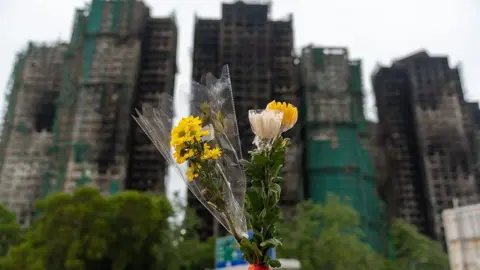
The ferocious blaze had ravaged a densely populated housing estate in the northern Tai Po district, killing at least 159 people and displacing thousands.
As public anger grew, the pro-Beijing authorities warned against attempts to exploit the fire to endanger national security.
Kwan was reportedly arrested by Hong Kong national security police on suspicion of sedition and is now on bail.
Authorities stated that they would handle any actions taken in accordance with the law and the actual circumstances
The arrest has prompted varied reactions from the public. While some view it as unjustifiable, others see it as part of a broader pattern of control exercised by the Beijing government.
Ronny Tong, a member of Hong Kong's Executive Council, argued that the government is acting prudently in light of the situation.
Regina Ip, another lawmaker, emphasized the need for caution to prevent a recurrence of unrest similar to the 2019 riots.
The petition initiated by Kwan gathered over 10,000 signatures in under a day, calling for accountability in the fire's aftermath. Chief Executive John Lee has since announced steps to support victims and investigate the incident.
While authorities have arrested others related to the fire, including construction firm personnel, no high-ranking officials have been held accountable, raising questions about their responsibility.
Critics argue that the response from authorities reflects a prioritization of social control over community-led initiatives. Kenneth Chan, a politics professor, contends that the government is actively stifling grassroots relief efforts.
Beijing's national security office has responded strongly, warning against threats to stability and vowing to act against any perceived instigators.
Additionally, public sentiment remains apparent on social media, where many express dissatisfaction with the government's measures and the underlying implications for freedom of expression in Hong Kong.
In his defense, John Lee acknowledged the tragedy but refrained from addressing questions about his leadership directly. The ongoing situation continues to dominate discussions, with some legislative efforts to address post-fire relief being turned down.
The tragedy at Tai Po marks a pivotal moment in Hong Kong, as residents seek clarity, support, and accountability from their government amidst a deeply ingrained atmosphere of tension and scrutiny.