Putin Seizes Parliamentary Victory, Signals No End to Ukraine War
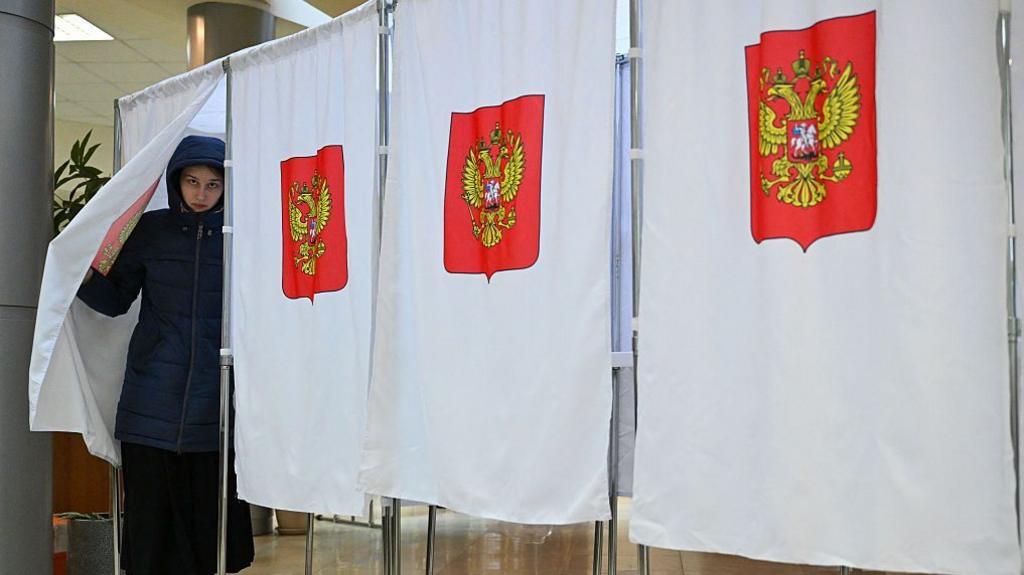
On 28 September, President Vladimir Putin addressed a newly‑elected State Duma in a sweep that left United Russia with an all‑time high in seats. The so‑called “Special Election Operation” has given Moscow a domestic licence‑to‑kill, allowing it to claim a huge mandate from the Russian people.
Yet the headlines are not about policy change – they are about resolve. Putin made no public indication that the “special military operation” in Ukraine will stop, and analysts expect his forthcoming speech at Moscow’s Valdai Club to reaffirm his belief in a Russia‑led victory despite current battlefield losses.
In a further effort to pressure Europe, Moscow has portrayed the conflict as a “European war” against Russia, calling for a cut in military and financial support for Kyiv. Foreign Minister Sergei Lavrov insisted that all Western aid to Ukraine is effectively fighting the Kremlin, framing the invasion as America‑backed brute force.
At the same time, intelligence experts have warned that the Kremlin is using covert hybrid tactics – cyber‑attacks, sabotage and drone incursions – to sow instability across the continent. Even the rhetoric has hardened, with senior diplomats suggesting that escalation could reach a nuclear threshold if Western backing continues unabated.
Collectively, these signals point to a Russia unshaken by long‑term conflict, yet increasingly hostile to European influence. As the war drags on, the prospect of a peace settlement grows fainter, drawing the world deeper into a complex geopolitical struggle that reshapes regional security dynamics.