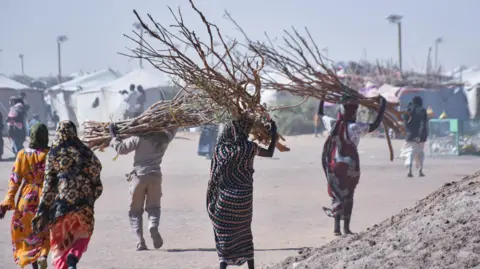
Nearly 90,000 refugees who fled to Burundi after the recent escalation of violence in eastern Democratic Republic of Congo are facing dire conditions in cramped camps with limited access to food and water, aid agencies report.
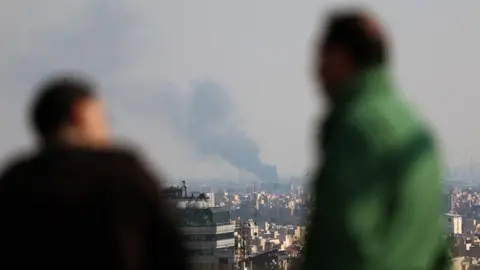
Recently, Congolese M23 rebels captured the city of Uvira, near the Burundian border, forcing hundreds of thousands to leave their homes. Although the rebels claim to have since withdrawn, concerns remain over the ongoing humanitarian situation.
Medical charity Médecins Sans Frontières (MSF) reports that it has been providing emergency assistance, highlighting an alarming humanitarian scenario. They have treated an average of 200 people daily, witnessing numerous cases of distress and exhaustion, particularly among women who gave birth while fleeing.
The UN Refugee Agency, UNCHR, has indicated that the most affected are children and women, some of whom went without food for days. These challenges are likely to escalate the risk of spreading diseases such as cholera and measles in crowded camps.
The World Food Programme (WFP) is ramping up its life-saving efforts to assist over 210,000 of the most vulnerable people affected by the violence. About half a million people have been displaced in South Kivu province alone since the beginning of December.
WFP is aiding 71,000 newly arrived Congolese refugees in Burundi with meals at transit centers. However, health services are on the brink of collapse due to looting, medicine shortages, and disrupted education, prompting calls for urgent funding to sustain food aid over the coming months.
The recent capture of Uvira has extended M23's control in eastern DR Congo, raising further tensions in the region. Although the rebels announced their intent to pull out under pressure from the US, their withdrawal remains contested by Congolese authorities.
Efforts for a peace deal brokered by the US, accusing Rwanda of backing the M23 rebels – a claim it denies – are still unfolding. The rebels have not signed this deal but are involved in a parallel peace process led by Qatar, which maintains strong ties to Rwanda.