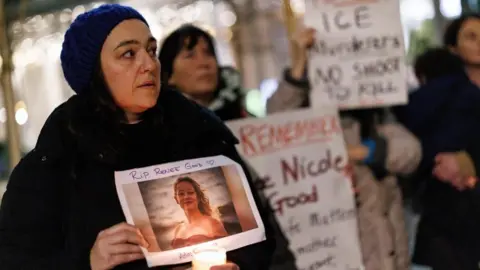
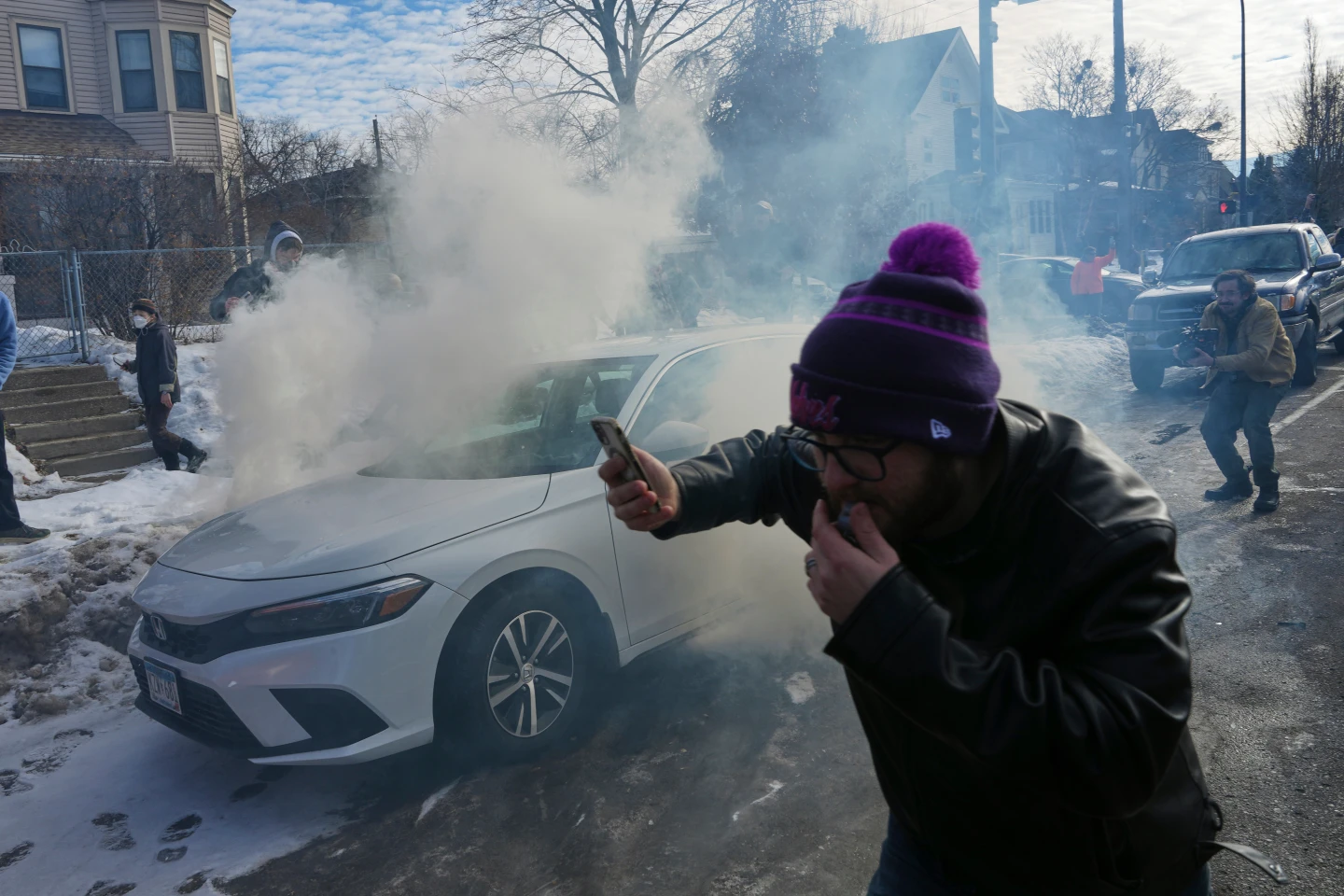
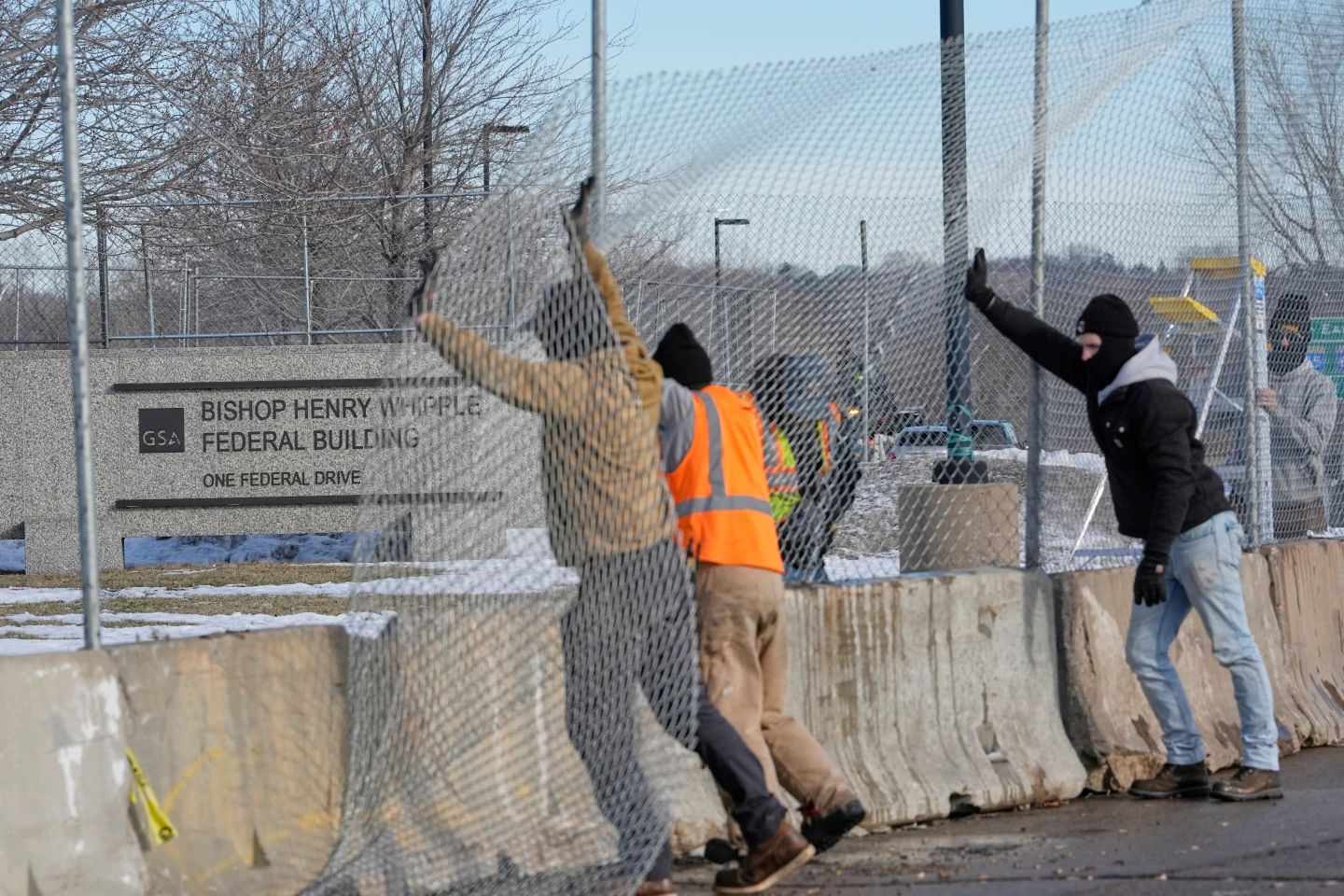
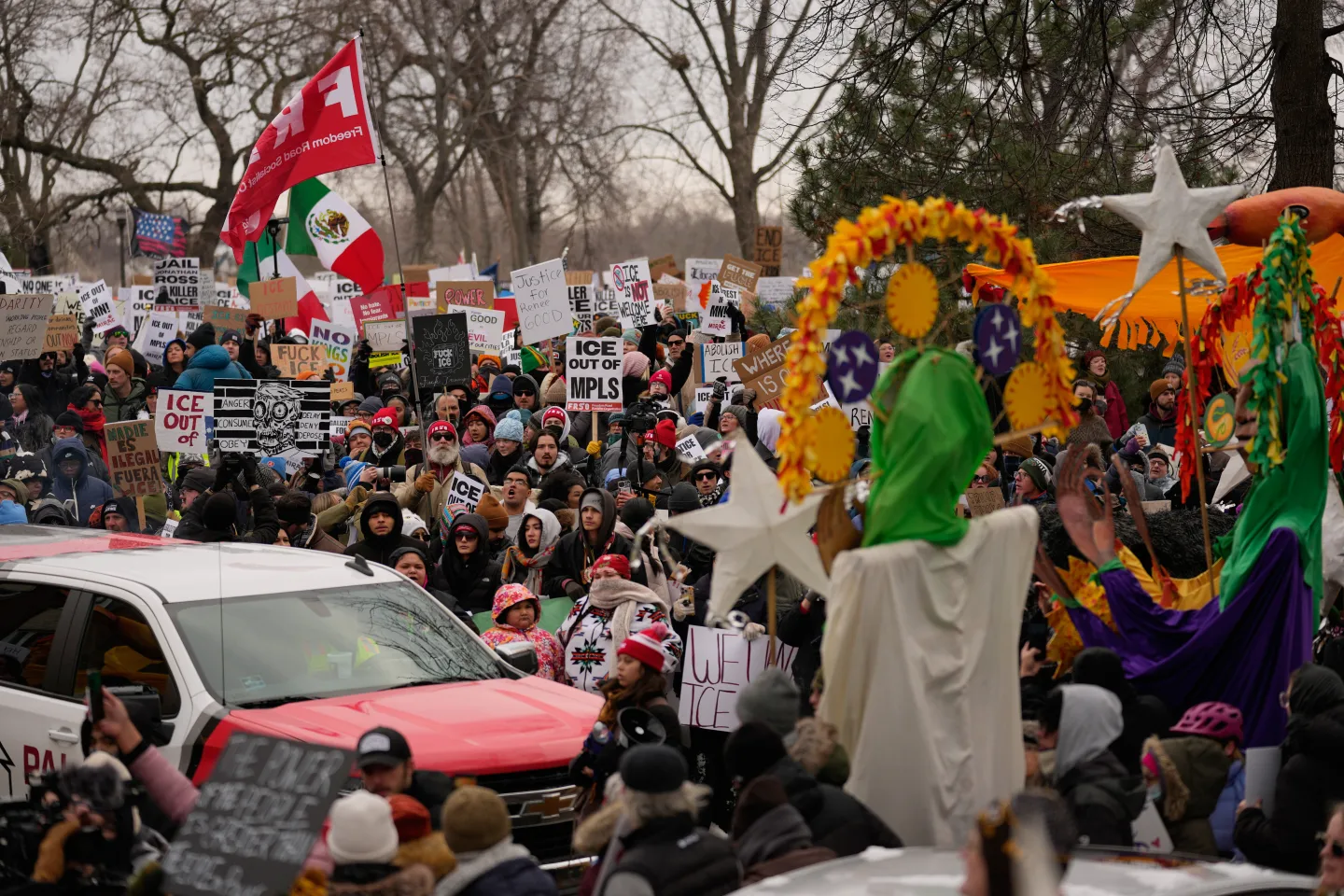
In recent developments from Washington, reports indicate that approximately half a dozen federal prosecutors have resigned from the Justice Department's Minnesota office in response to increased tensions surrounding the investigation into the recent killing of Renee Good, a woman shot by a U.S. Immigration and Customs Enforcement (ICE) officer.
The departures mark part of a broader trend of resignations from career officials at the Department of Justice (DOJ), particularly highlighting a growing concern among staff regarding political pressures exacerbated under the Trump administration. This includes a significant shift in how civil rights investigations have been handled, specifically with the decision to exclude state involvement in the investigation, which has drawn considerable scrutiny from local lawmakers.
Among those who have resigned is First Assistant U.S. Attorney Joe Thompson, who had been leading extensive investigations into fraud schemes within the state. His resignation is symbolic of the mounting frustration felt by attorneys within the department who fear their work, particularly in civil rights cases, is being undermined by political motivations.
Minnesota's Democratic lawmakers are vocal in their criticism of the situation, citing the resignations as detrimental to public safety and civil rights advocacy. Senator Amy Klobuchar expressed concerns that prosecutions should remain apolitical, while Governor Tim Walz raised alarms about the adverse impacts this could have on the efficacy of law enforcement.
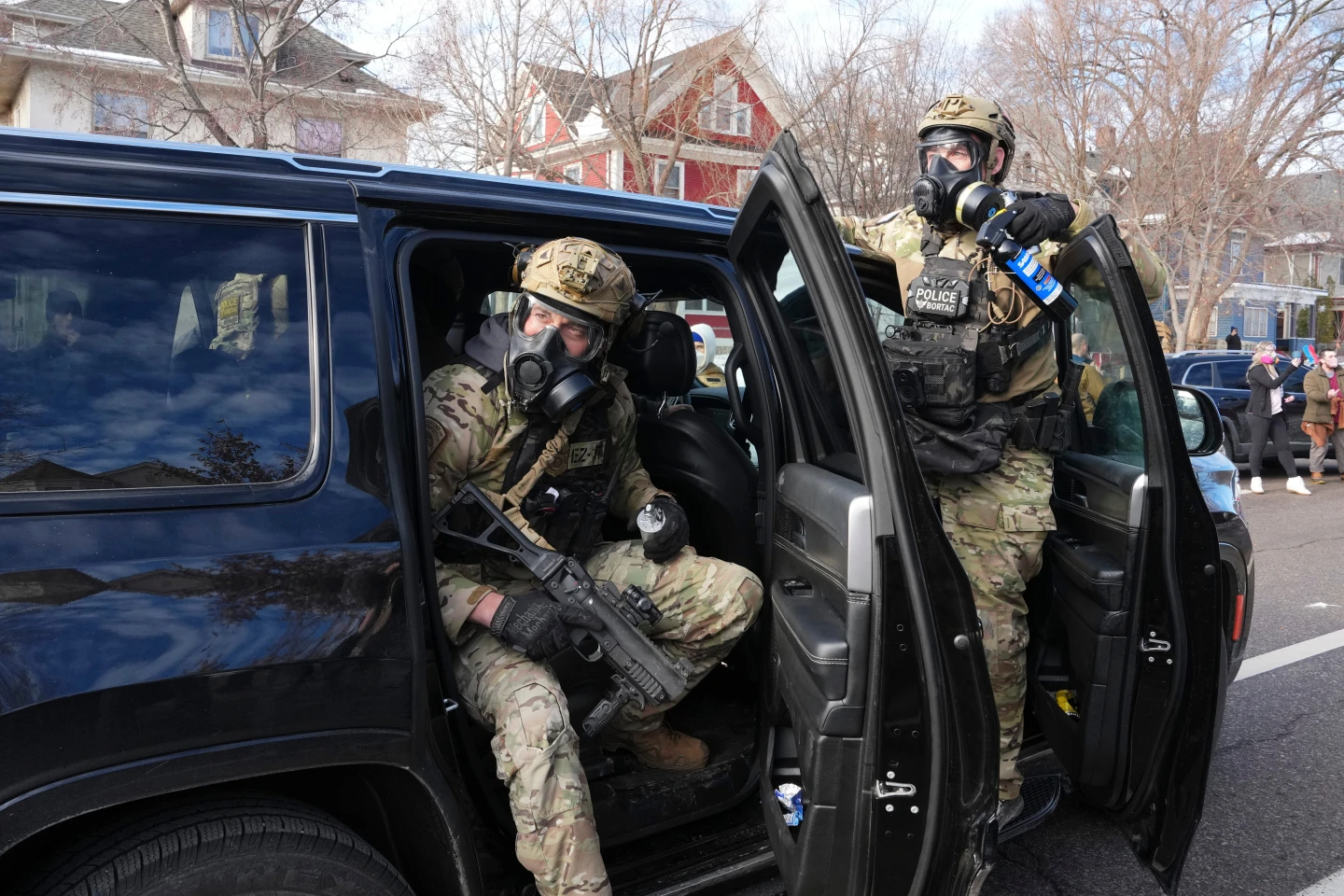
Adding to the controversy, the Justice Department's Civil Rights Division has indicated that it would not be involved in the investigation of Good's shooting, a departure from the typical procedure employed in high-profile cases of police violence.
This ongoing situation in Minnesota reflects a larger narrative of conflict within the DOJ regarding the handling of civil rights issues, reminiscent of tensions seen during investigations into other incidents such as the death of George Floyd.
As this situation unfolds, the integrity of civil rights enforcement at the federal level remains under intense scrutiny, with ongoing calls for transparency and accountability within the Justice Department.