In brief
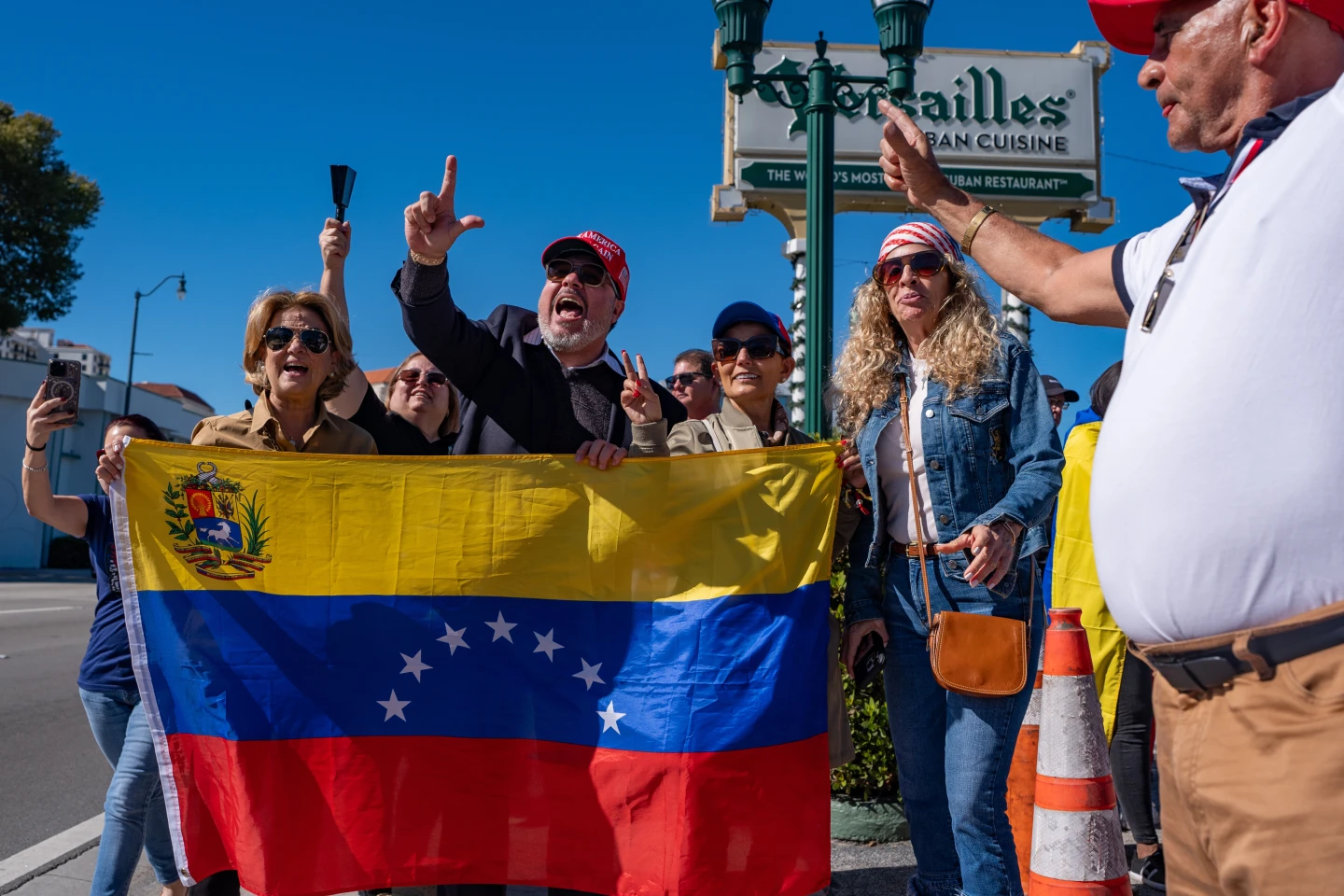
The removal of Nicolás Maduro from power has sparked a blend of excitement and apprehension among the over 770,000 Venezuelans residing in the U.S. Amidst a backdrop of ongoing political turbulence in Venezuela, many migrants celebrate the shift while simultaneously worrying about the dangers that remain under the current regime. Concerns over deportations and the complexities of returning to Venezuela cloud their responses, as they navigate their futures in the U.S. and their ties to their homeland.
NEW YORK (AP) — The recent removal of Venezuelan President Nicolás Maduro by U.S. forces has ignited mixed reactions among Venezuelan migrants in the United States. While some express exhilaration at the prospect of change, others grapple with fear and uncertainty about the future of their homeland and their safety.
Alejandra Salima, a Venezuelan advocate who fled to the U.S. three years ago, conveyed the conflicted emotions many migrants feel: The removal of Maduro is a first step, but we’re nervous... returning would put my son and me at risk, she said, highlighting how the regime's hold continues despite the leadership change.
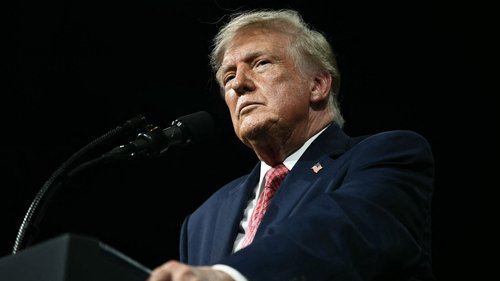
For the over 770,000 Venezuelans in the U.S., the responses to Trump’s decisive military actions in their homeland reflect a complex intersection of relief and ongoing concern. Many feel relieved at Maduro’s ousting, given his history of political oppression and mismanagement, which forced millions to flee. Yet, they remain anxious about the current government's continuity.
Manuel Coronel, a lawyer who emigrated in 2017, echoed similar sentiments, They got him, but the criminals are still there... There’s no new government. Everything’s exactly the same. Amidst these sentiments, the Trump administration's decision to deport Venezuelans without permanent residency adds to the anxiety. The termination of Temporary Protected Status (TPS) has left many migrants feeling vulnerable and uncertain about their futures.
Despite Trump's declaration that many Venezuelans are eager to return home, sentiment among those living in the U.S. suggests otherwise. Many highlight their lack of urgency to go back due to the still precarious political environment. José Luis Rojas, a Venezuelan who reached New York City after numerous hardships, expressed gratitude for his current situation and mentioned relief from economic instability in Venezuela.
Reflecting on the current state of affairs, many Venezuelans emphasize that while Maduro's expulsion is a sign for hope, the daunting task of establishing stability in Venezuela remains a consuming reality. The thoughts of returning home juxtaposed against the fear of repression from Maduro's remaining allies clings heavily to their narratives.
The situation is further complicated by the current U.S. immigration policies under Trump, which many Venezuelans believe reflect a lack of empathy for their experiences and the tumultuous conditions in their country. As they navigate their new lives, many find themselves caught between hope for change and the fear of returning to a nation still filled with peril.