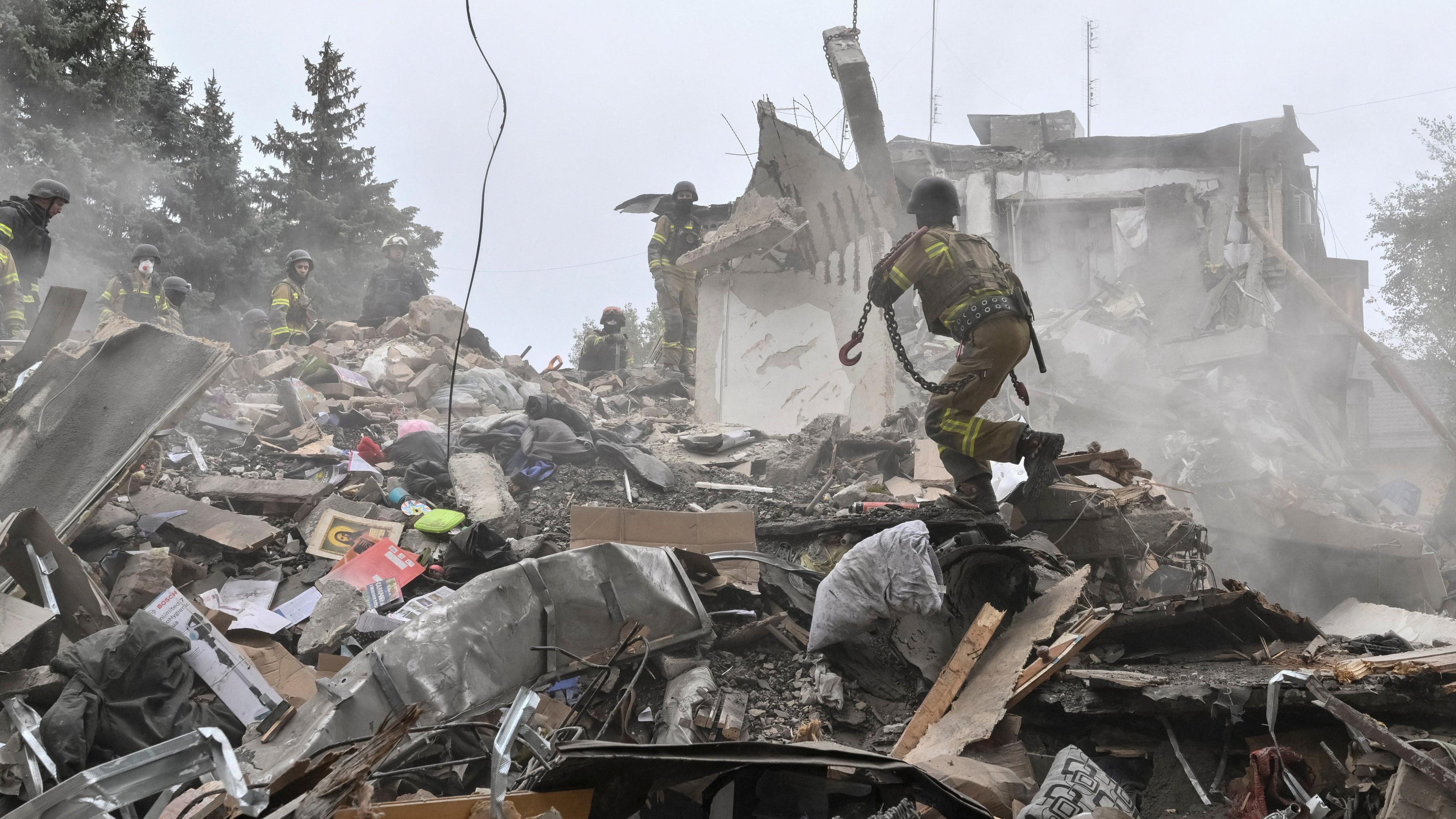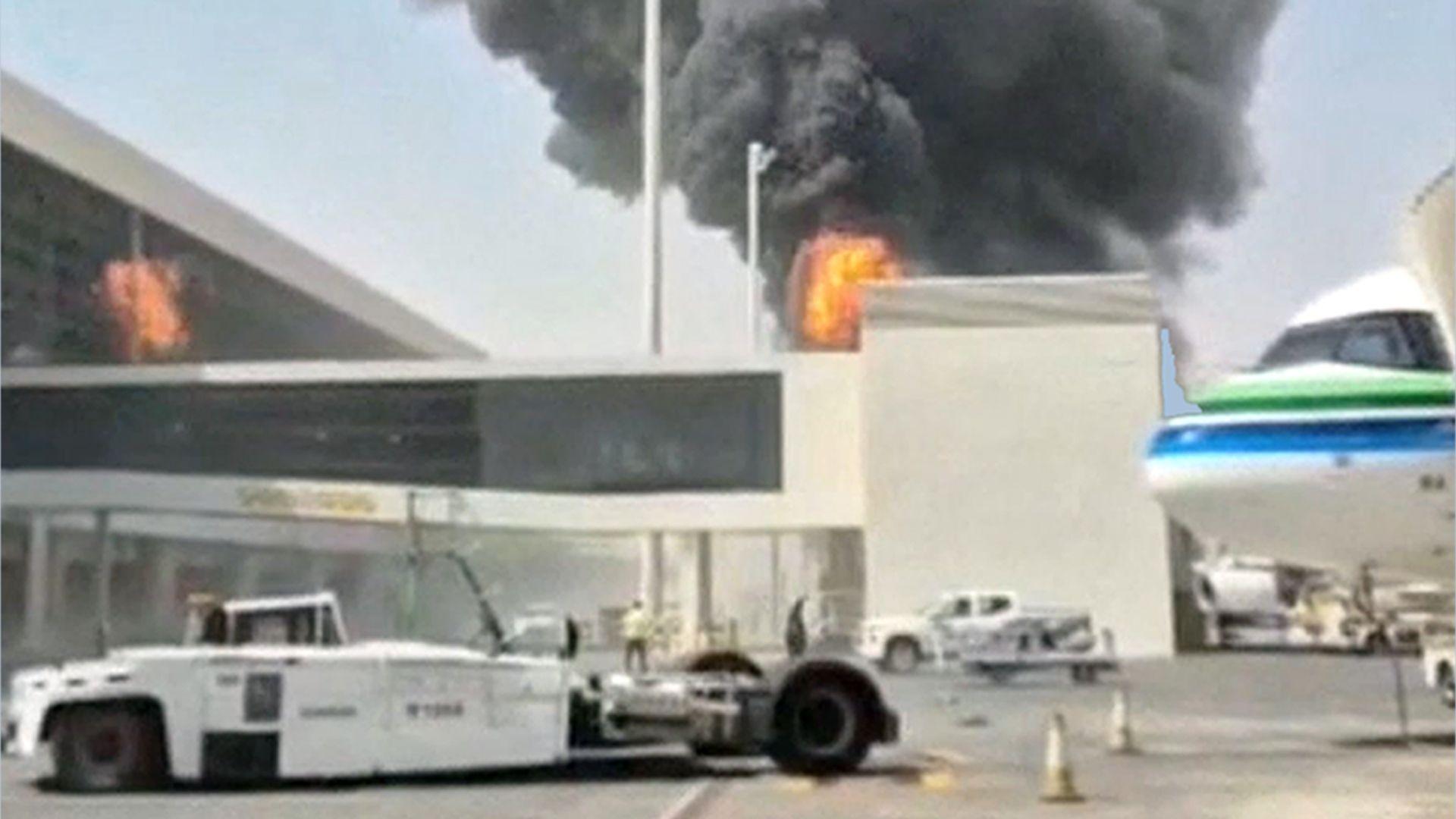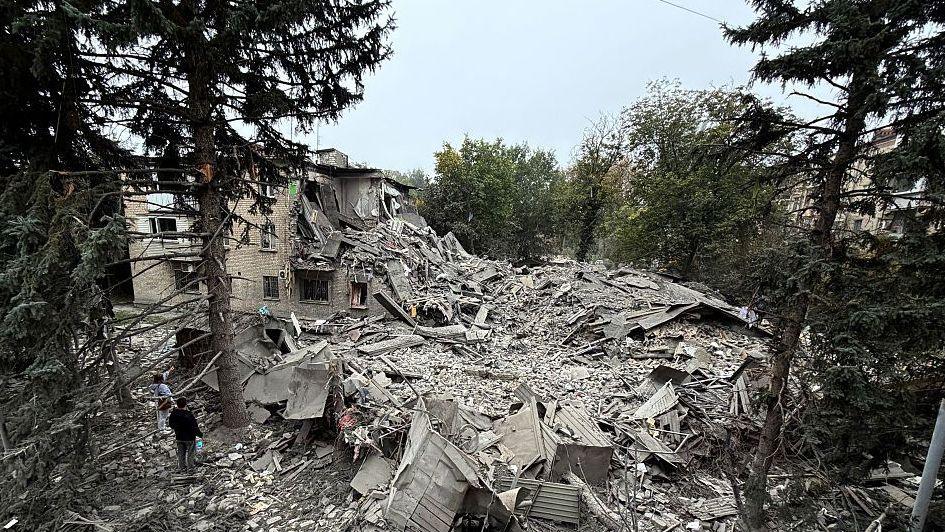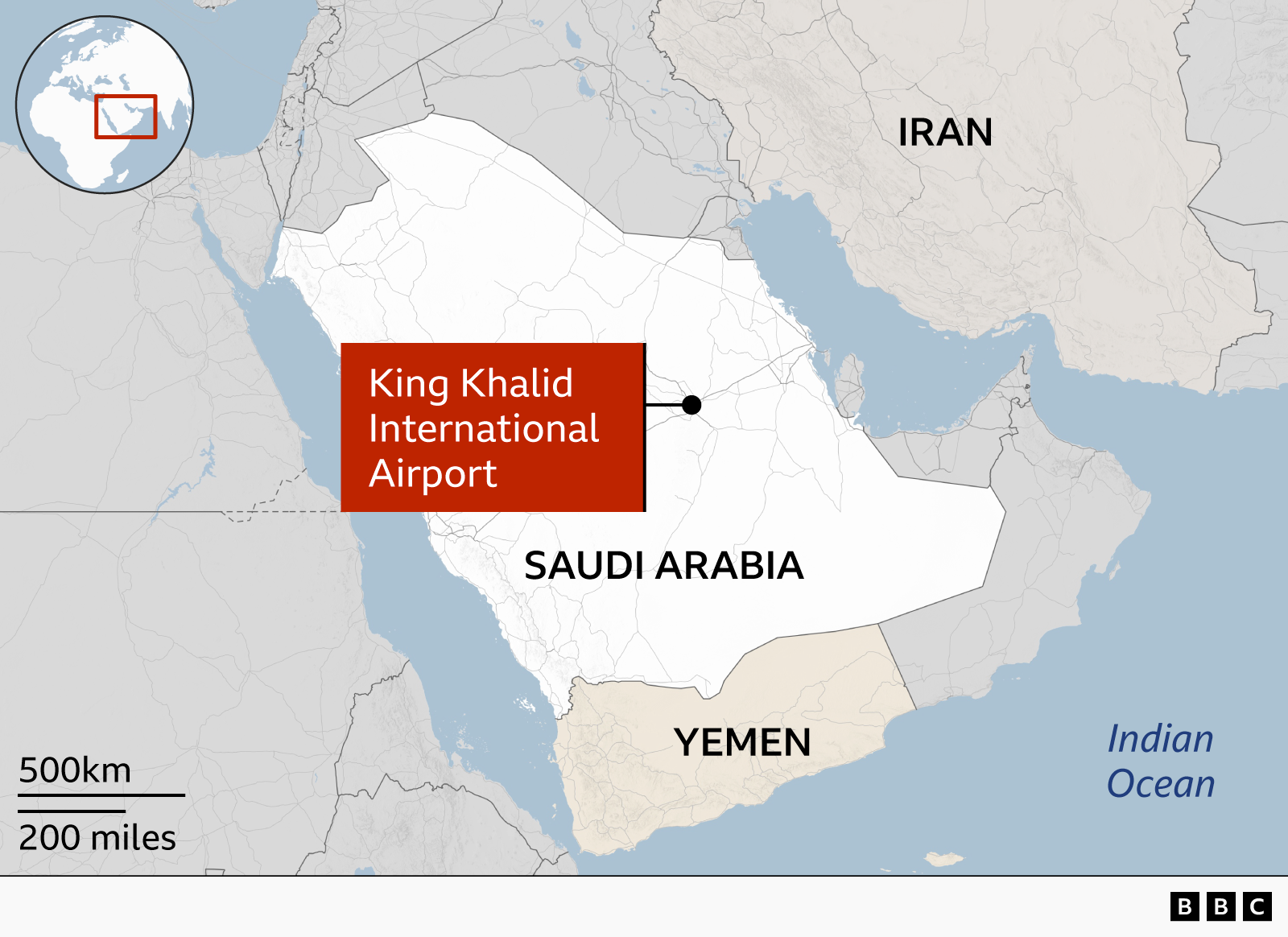
Saudi Arabia’s main international gateway has once again been struck, this time a projectile struck King Khalid International Airport in Riyadh, setting part of a passenger hall ablaze and injuring several people.
The Saudi Air Defence Bulletin confirmed that the impact occurred on Sunday, with fire suppression teams battling flames and medical staff treating wounded travellers. Officials note that the incident follows a deadly Sunday assault that left 13 dead and 308 injured, a reminder of the escalating violence after a ceasefire brokered in 2022 collapsed earlier in the year.
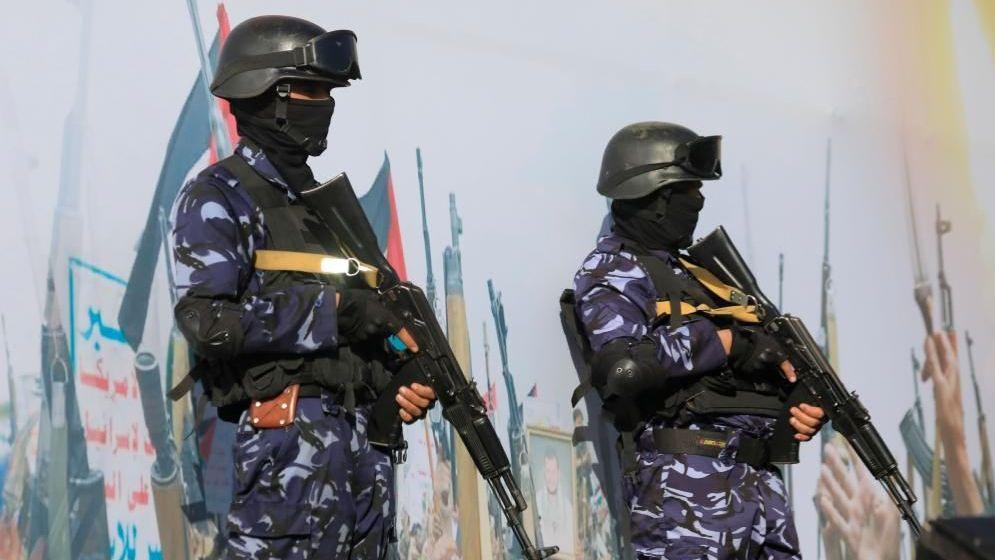
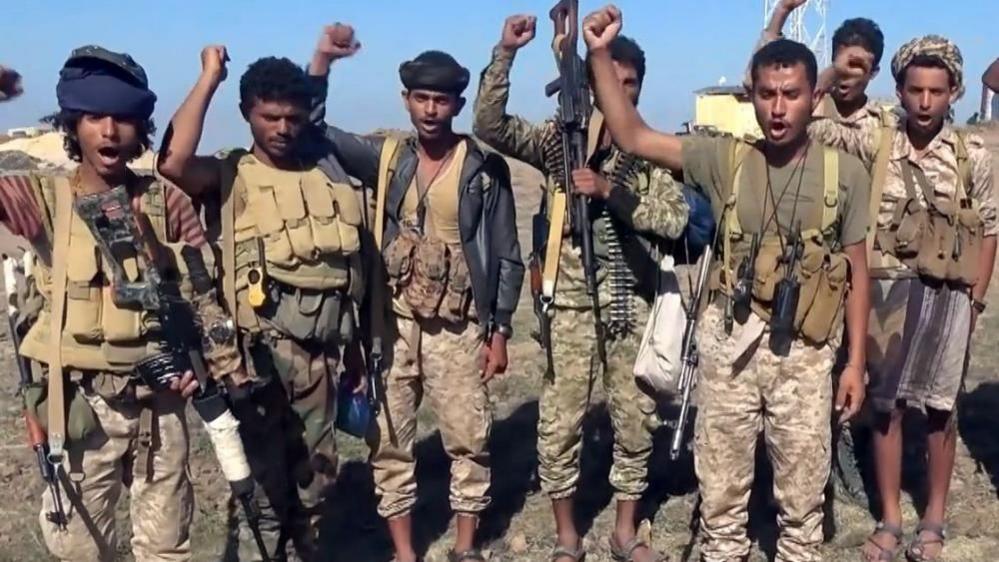
Yemen’s Houthi movement, which has claimed responsibility for the previous attacks, says it is retaliating for Saudi support of the Yemeni government and an air strike on Sanaa’s airport. The Houthi spokesman, Brig. Gen. Yahya Saree, warned that Saudi airports are “potential targets” and pledged to continue operations "deep inside Saudi territory".
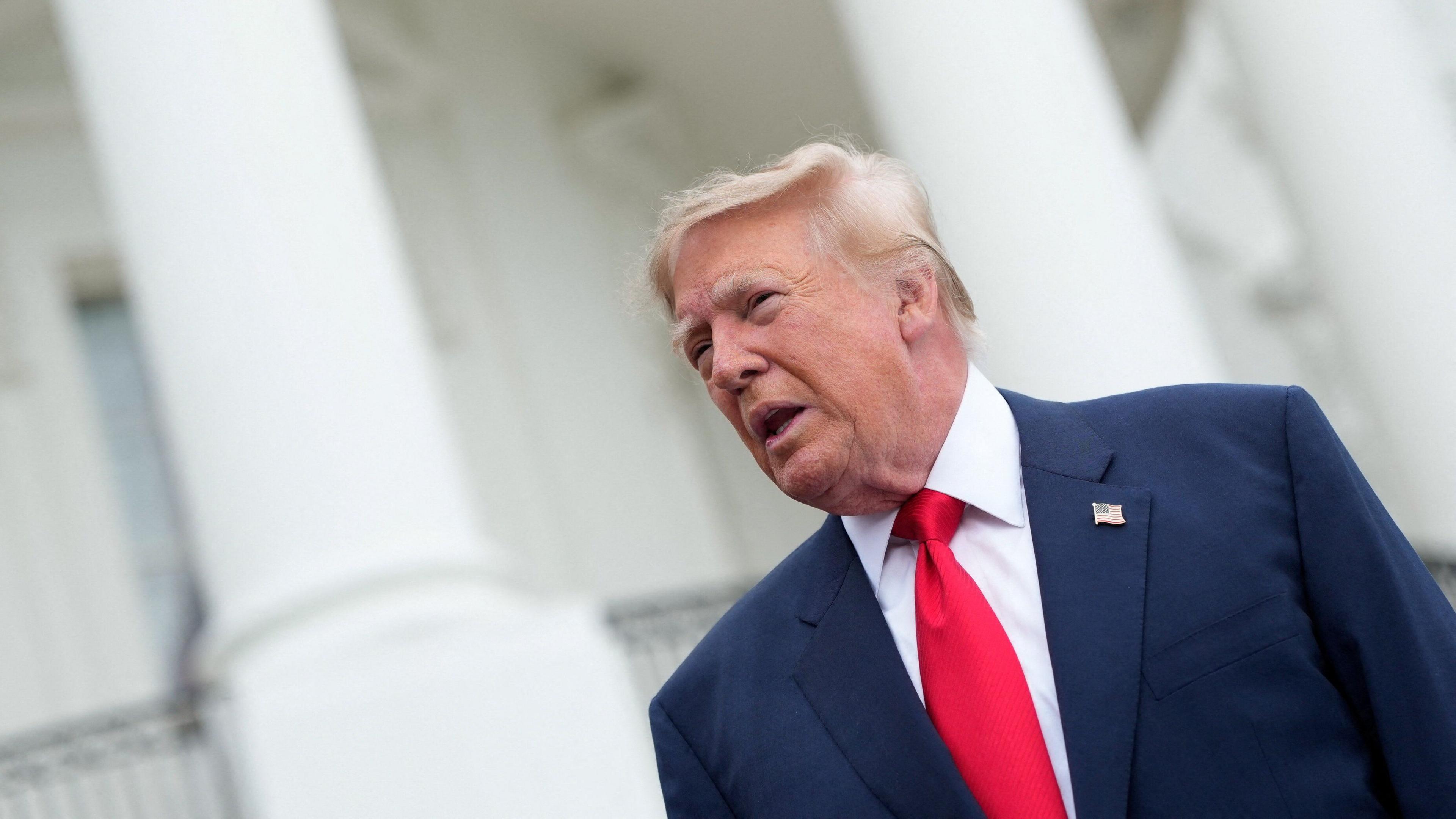
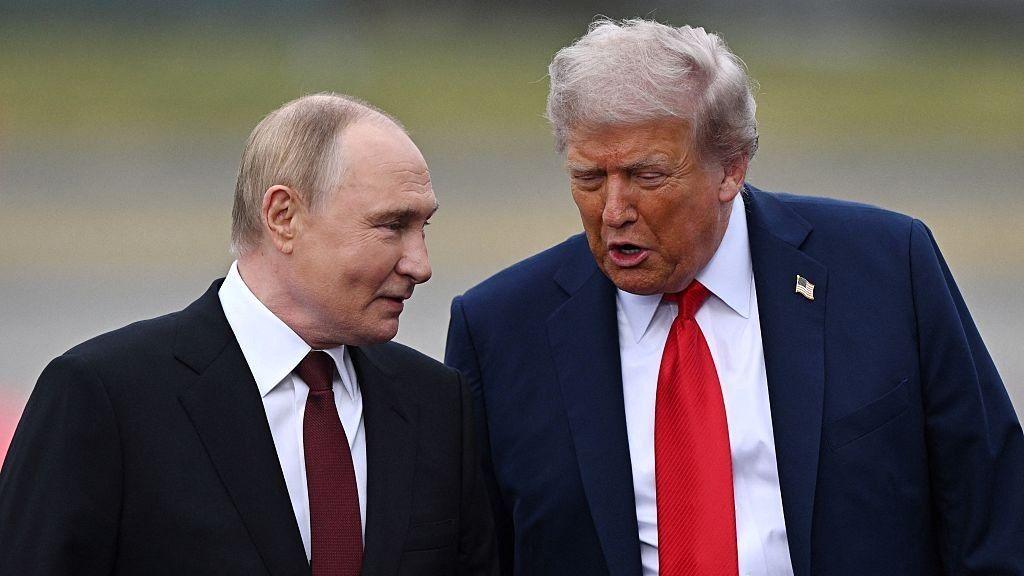
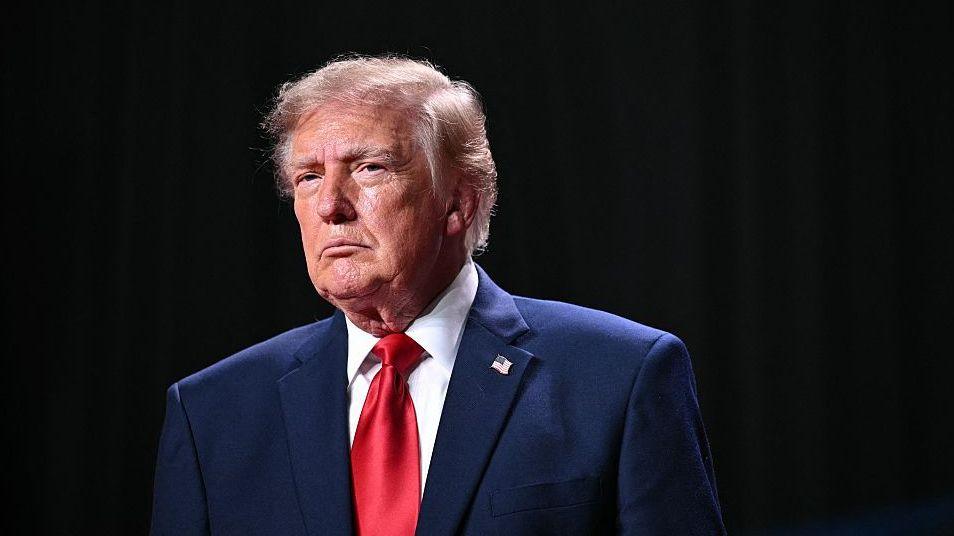
Saudi‑led coalition officials said missile interceptors were fired near the airport. Maj. Gen. Turki al‑Maliki urged the international community to assist, and the United Kingdom’s Defence Secretary Wes Streeting proposed further support. President Donald Trump indicated that the United States would “make a decision” on whether to strike the Houthis, following the death of a U.S. citizen in the strikes.
Severe casualties surged with four Saudis, two Bangladeshis, and individuals from the U.S., Jordan, Palestine, Syria, Sudan, and Egypt among the dead. An Indian man later succumbed to injuries sustained in the attack, as reported by the Indian embassy in Saudi Arabia.
- First strike: 13 dead, 308 injured (Sunday)
- Second strike: multiple injuries, fire in passenger hall (Monday)
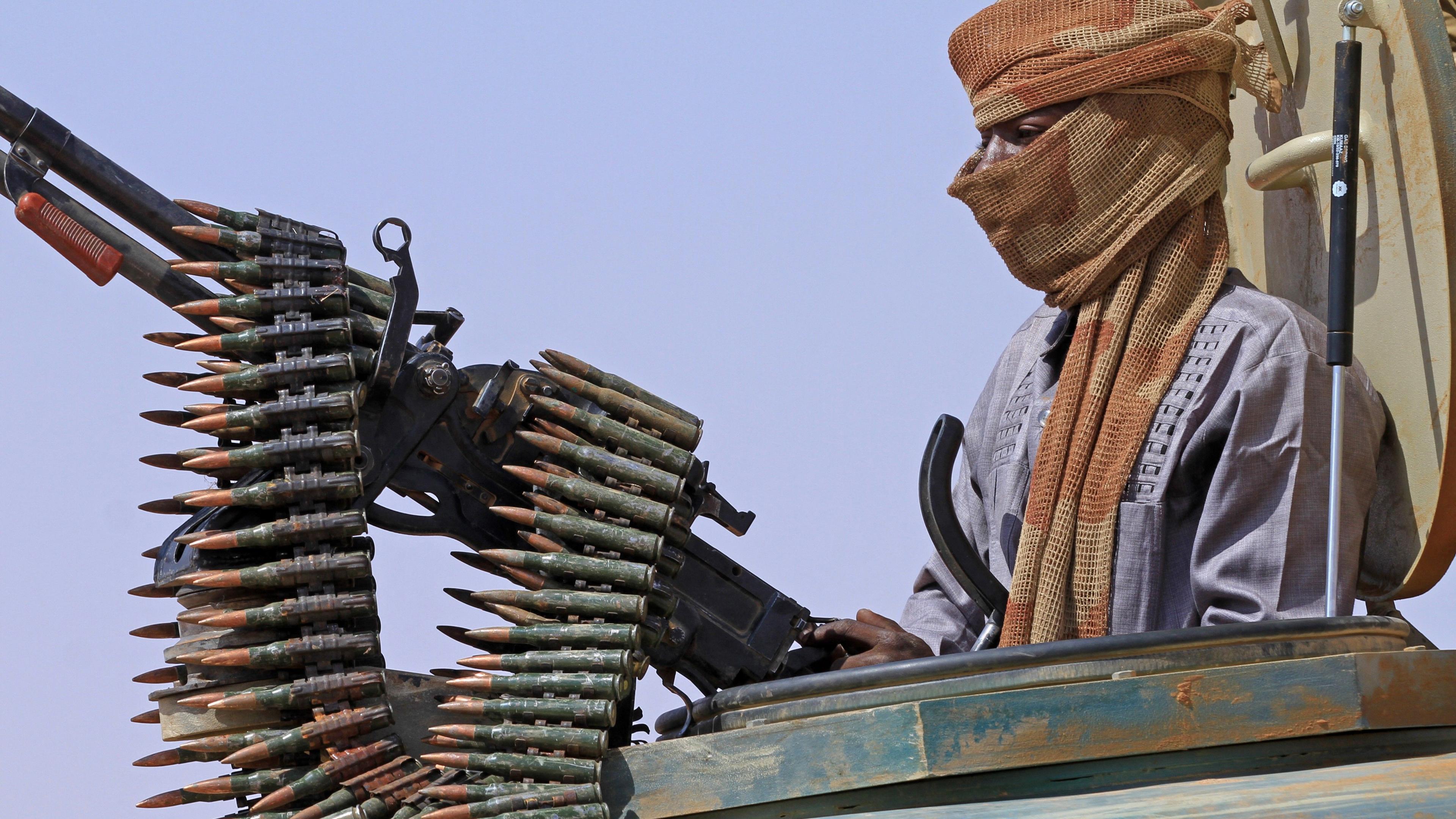
- Houthis use ballistic and cruise missiles, plus drones
- UK advises against travel within 10 km of Yemen border
- US confirms casualty and hints at possible retaliatory strikes
Buffering international implications, the Red Sea coast—once sequestered by Houthi advances—is now under Saudi pressure, heightening concerns that the region could become a contested flare‑point between Saudi Arabia and Iran-backed forces. The attacks underscore the fragile security situation in the Middle East and may prompt a renewed wave of diplomatic and military responses.