Russian missile strike on Kyiv's Dormition Cathedral claims 11 lives
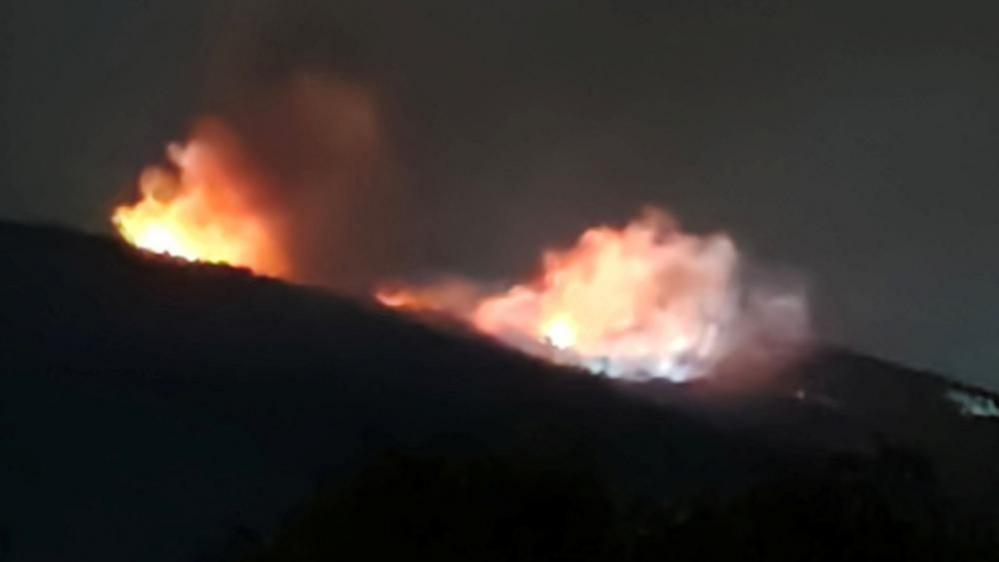
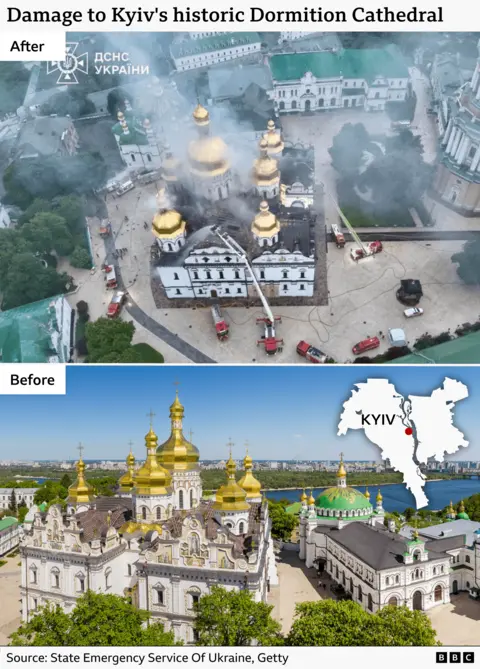
The overnight Russian assault on Ukraine’s capital triggered a volley of 70 missiles and 611 drones, killing 11 civilians and igniting the 11th‑century Dormition Cathedral, a UNESCO‑listed heritage site. President Volodymyr Zelensky called the attack a prime example of “one of the biggest Russian crimes against Christian culture today.”
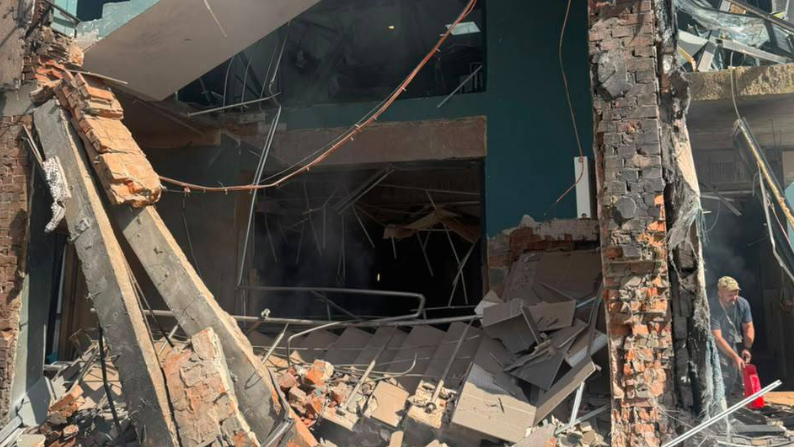
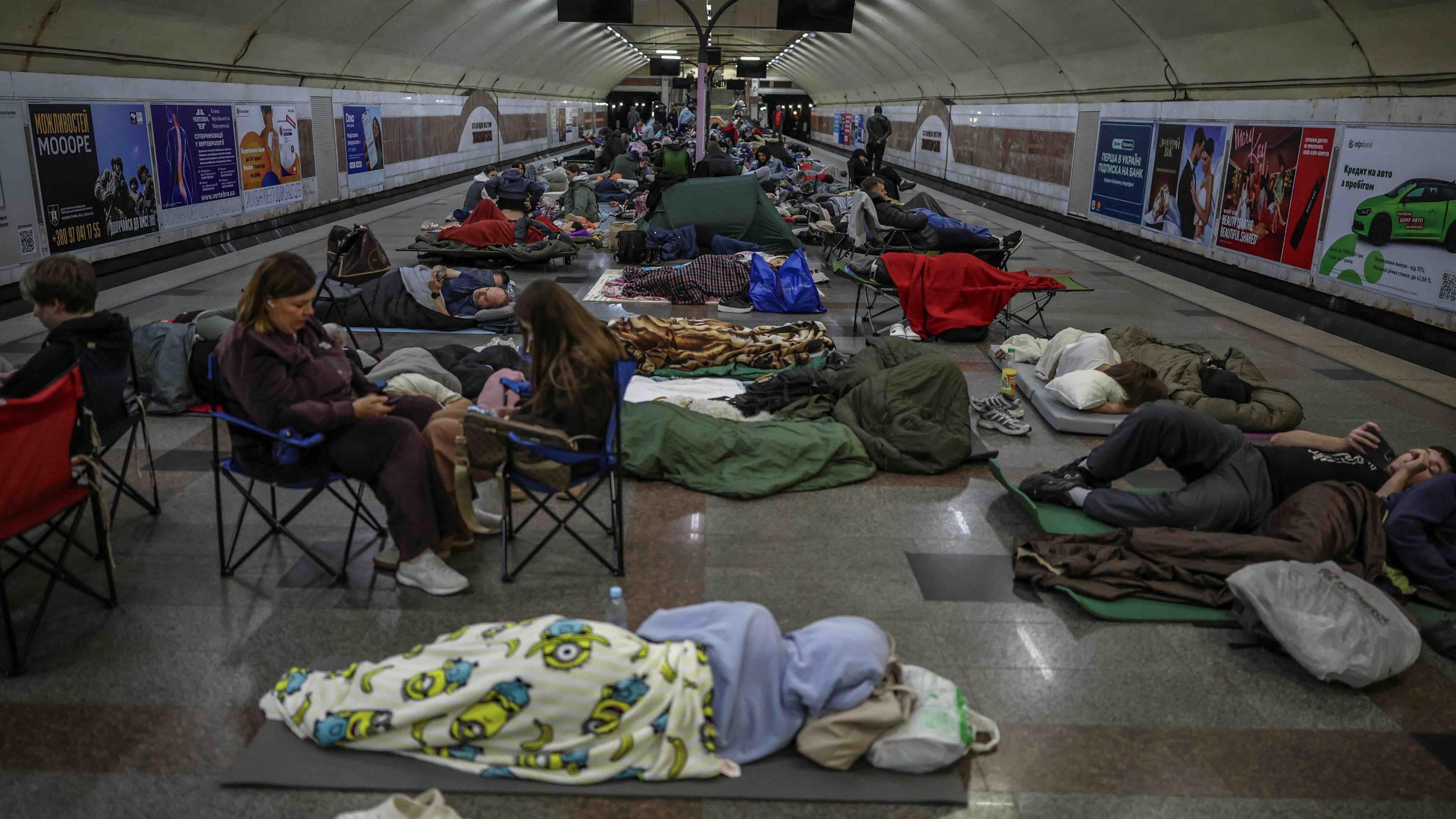
The strike also destroyed multiple residential buildings in Kyiv, leaving at least 23 injured; overall, 53 people were reported hurt across the country. Mayor Vitali Klitschko said the bombardment took away electricity for more than 140,000 residents and extinguished the fire to the cathedral’s roof hours later.
In Kharkiv, a separate Russian attack killed four civilians and sent five rescue workers to their deaths while they fought the blaze. A Ukrainian drone strike in the Russian city of Tula also killed three civilians, including a one‑year‑old child.
International leaders weighed in immediately. French President Emmanuel Macron condemned the strike as a violation of “universal heritage.” EU foreign policy chief Kaja Kallas labeled it a war crime. The United Nations, citing the cathedral’s cultural significance, urged that damage to such sites deprives communities of essential spaces for social cohesion.
Russia denied that the cathedral was targeted, claiming a misfired US‑made Patriot missile was responsible and giving no evidence. Russian military officials insisted the strike aimed at Ukrainian military sites. The assault follows a history of attacks on the Lavra complex, which suffered major damage during World War II and previous Russian shelling during the 2022‑2023 offensive.
The incident came just before a G7 leaders’ meeting in France, where the conflict in Ukraine is slated for discussion. Zelensky urged the summit to issue a “decisive and meaningful” response, urging stronger air‑defence aid, particularly anti‑ballistic missiles.