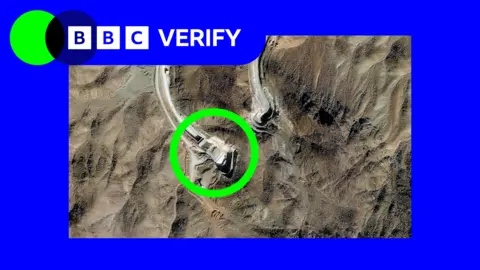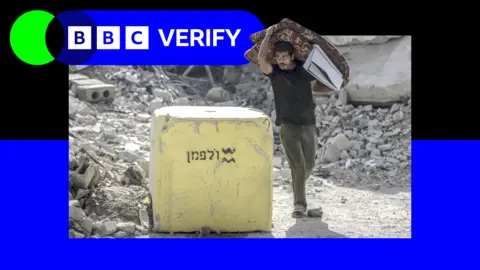
Recent satellite images have confirmed that Israel has repositioned its Yellow Line control markers deeper into Gaza, raising concerns and confusion among local residents. This change appears to contravene the terms of a US-brokered ceasefire involving Hamas, under which Israeli forces were supposed to withdraw beyond specific delineations.
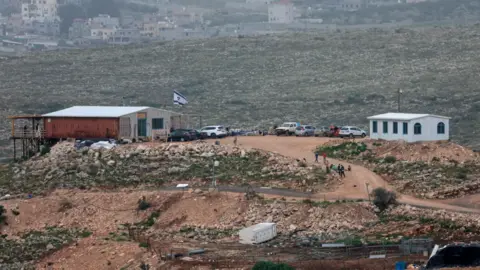
The updated positions of the yellow markers were noted in regions including Beit Lahia, Jabalia, and al-Tuffah, with significant movement occurring in the months of November and December. For instance, in the al-Tuffah area, blocks previously in place were relocated an average of 295 meters further into Gaza.
The Israel Defense Forces (IDF) insist that they are merely adjusting markers in accordance with on-the-ground conditions, despite rising civilian casualties linked to the newly established Yellow Line and surrounding areas. Critics argue that this practice allows Israel to exert control over Gazan territories without formally altering recognized borders.
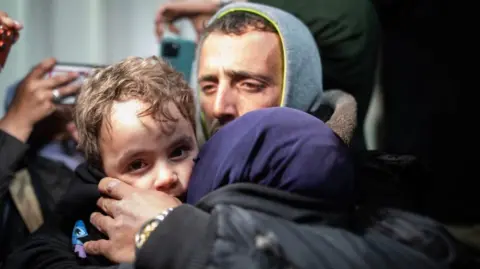
The consequences of these adjustments have been dire; multiple incidents, including strikes on schools and civilian areas, have resulted in numerous fatalities. Eyewitness accounts and expert analyses characterize the IDF’s actions as part of a broader strategy of territorial management. The implications of this ongoing conflict continue to unfold, with no clear resolution in sight.