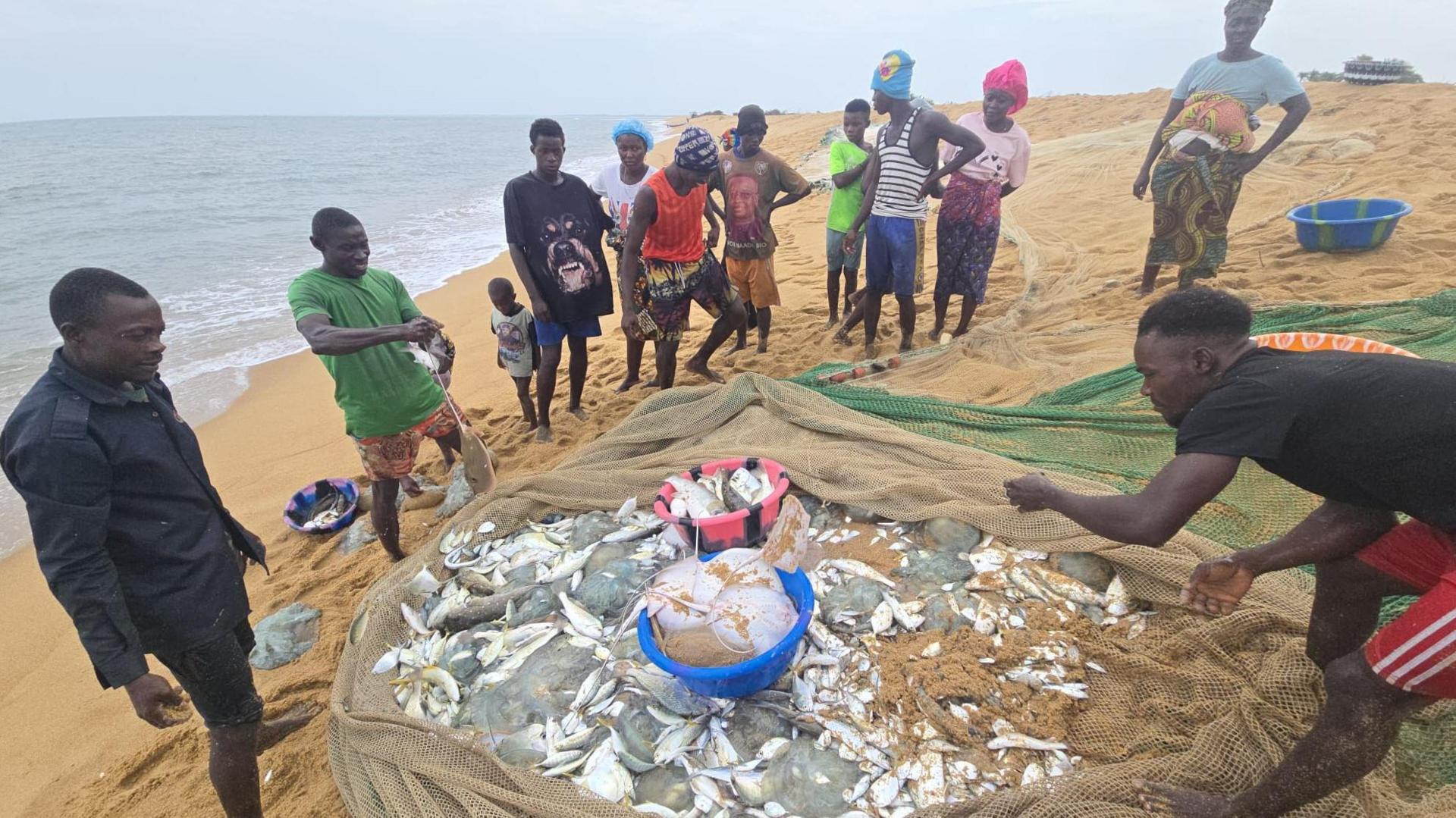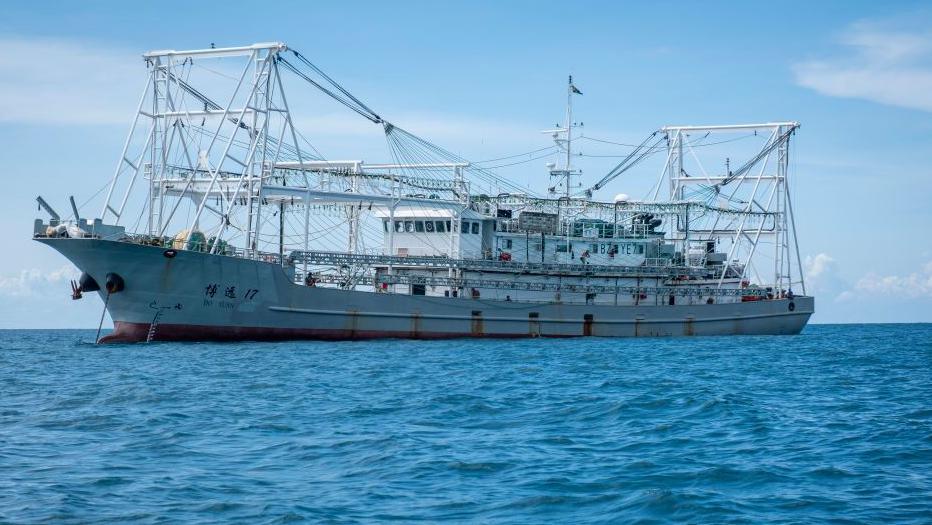
On Sierra Leone’s Sherbo Island, a line of villagers haul their nets, the rhythm of fishing echoing a tradition that the local economy depends on. Yet in recent years, the catch has sagged, and the fishermen say the culprit is foreign trawlers that invade their waters at night.
Musa Gassimo recounts how the trawlers arrive, cut the lines and damage the nets, forcing him to replace damaged gear at a cost of up to $250 (£189) per incident. He and many others blame the influx of large maritime vessels for the decline.
A 2024 global report highlights that roughly 40% of unlicensed catches worldwide are linked to West African waters, costing the region about $10bn in lost revenue. Thomas Turay, president of the Fishermen’s Union, cites a 40% drop in average catches for his members over the last five years and attributes it to the illegal fishing activities of overseas fleets.
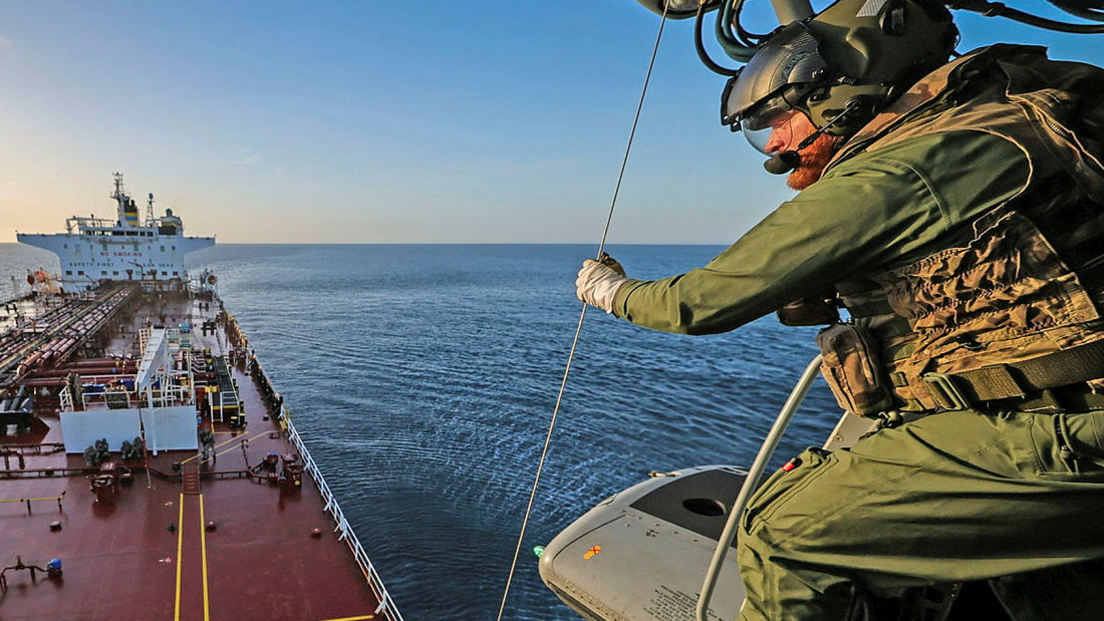
Meanwhile, Sheku Sei, a ministry official, counters the claims by saying that all international vessels now carry transponders and the government routinely inspects them. He asserts that the legal penalties for breaching the exclusion zone act as a deterrent, although no fines have been enforced in the past decade.
Observers from the Environmental Justice Foundation warn of China’s “head‑in‑the‑sand” approach to regulating its distant‑water fleet. They argue that increased tracking, international pressure and consumer awareness are needed to curb the unsustainable and potentially illegal fishing that threatens local communities and global seafood markets.
With the world’s internet and extensive trade, the story of Sierra Leone’s fishers resonates beyond Africa, highlighting the broader challenges of enforcing maritime boundaries and sustaining livelihoods in an era of expansive commercial fishing.