In brief
The Supreme Court is hearing arguments over state laws that bar transgender women and girls from competing in school sports. Lower courts previously sided with the athletes in Idaho and West Virginia, but the court’s conservative majority raises concerns about the potential of upholding these bans. The cases showcase deep divisions in opinion, with advocates arguing for inclusion based on anti-discrimination laws while opponents cite fairness in women's athletics. A decision is anticipated by early summer.
WASHINGTON (AP) — The Supreme Court is set to hear critical arguments regarding the legality of state laws that prohibit transgender girls and women from participating in school athletics.
Lower courts have ruled in favor of transgender athletes in both Idaho and West Virginia who challenged these state laws; however, the conservative majority of the Supreme Court may not align with these previous decisions.
In recent rulings, the Supreme Court has upheld bans on gender-affirming care for transgender youth and has affirmed restricting various rights of transgender individuals. These developments occur within a broader political initiative initiated by President Donald Trump targeting transgender rights shortly after beginning his second term.
The legal cases under consideration stem from several Republican-led states, including Idaho and West Virginia, which have actively enforced bans on transgender participation in girls’ sports. At the core of the arguments are claims of sex discrimination by transgender individuals versus the assertion made by states that these bans are necessary for ensuring fair competition for female athletes.
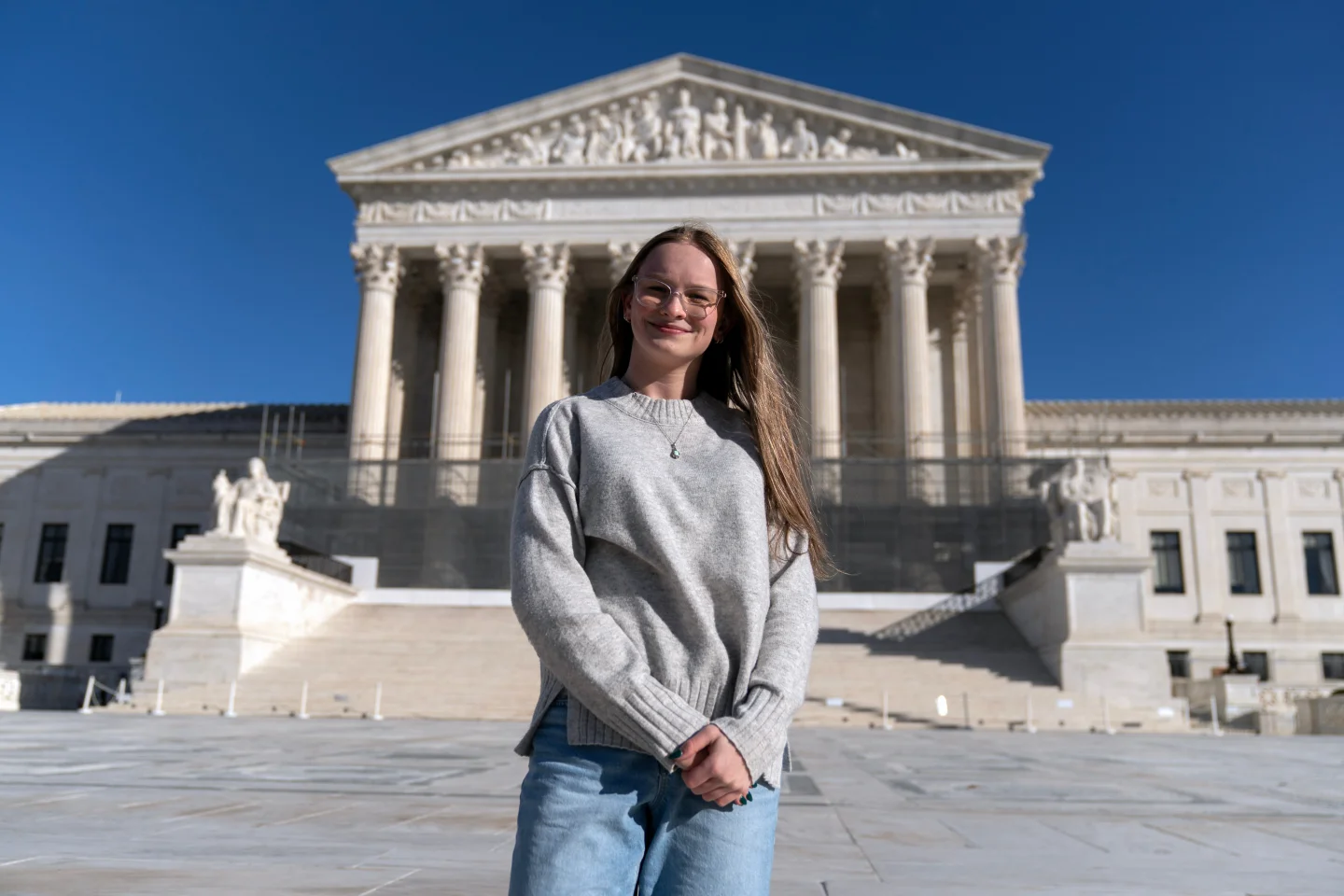
Lindsay Hecox, a 25-year-old from Idaho, is the first case, having sued after being barred from trying out for women’s teams at Boise State University. Meanwhile, Becky Pepper-Jackson, a 15-year-old West Virginia high school student, seeks to compete as a girl, backed by legal representation that argues her transition and eligibility should be recognized under Title IX, the federal law banning sex discrimination in education.
Both sides of the debate have seen endorsements from prominent sports figures: some, including tennis star Martina Navratilova, support the bans, while others like soccer icons Megan Rapinoe and Breanna Stewart, advocate for the rights of transgender athletes.
The Supreme Court is poised to explore whether these state-level sports restrictions violate constitutional rights or the provisions of Title IX. This follows a landmark ruling in 2020 where the court recognized that LGBTQ individuals are entitled to protection under federal anti-discrimination laws relating to employment.
This significance of transgender participation in athletics may emerge even with a limited number of active athletes; however, public opinion appears stacked against them, with recent polling showing a majority of Americans favoring the laws that restrict participation based on gender assigned at birth. The anticipated decision from the Supreme Court is expected by early summer.