The U.S. Supreme Court today denied Alabama’s petition to execute convicted killer Jeffery Lee by nitrogen gas, upholding a lower court ruling that barred the method as cruel and unusual.
Two federal courts had earlier halted nitrogen hypoxia because the process—forcing an inmate to breathe pure nitrogen through a gas mask until they suffocate—leads to “severe air hunger and corresponding emotional distress, anxiety, physiological stress and physical discomfort” before death, a finding reported by BBC’s U.S. partner CBS News.
Alabama, one of the few states to deploy nitrogen gas for executions, has carried out seven such procedures since the method’s introduction in January 2024.
The Supreme Court’s brief, issued on its emergency docket, was unsigned and did not offer an explanatory rationale. The justices who dissented—Clarence Thomas, Samuel Alito and Neil Gorsuch—indicated they would have granted the state’s request.
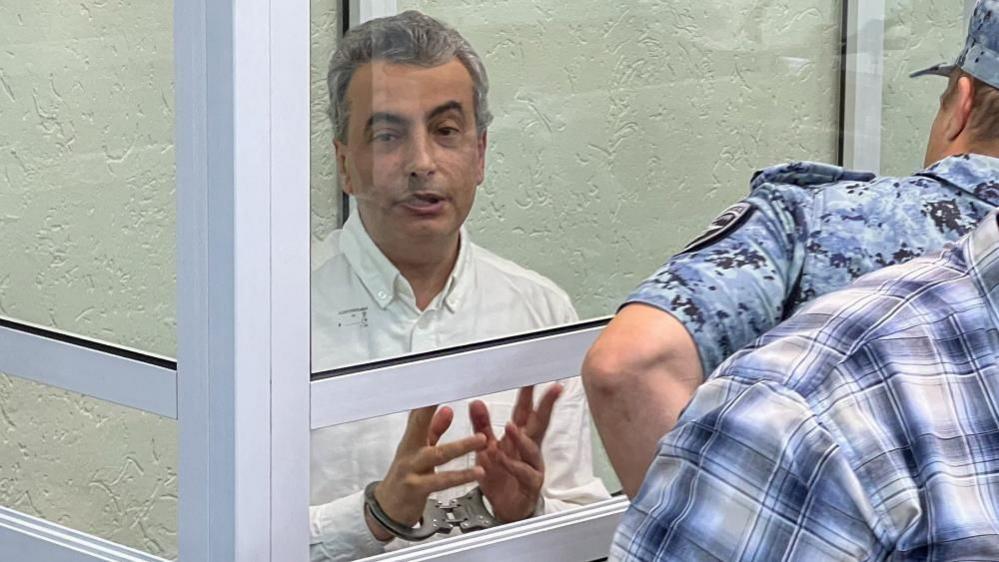
Jeffery Lee, 49, was convicted in 2019 for murdering two people in a 1998 pawn‑shop robbery. A jury had recommended a life sentence, but a judge used a now‑abolished judicial‑override procedure to impose the death penalty.
Alabama Attorney General Steve Marshall said the halt is “unfair to the families of Lee’s victims” who had been “prepared to witness the final act of justice be served.” He added that the state will pursue other execution methods to carry out “whichever form of punishment is necessary.”
For more context, read the accompanying feature: Why has Alabama executed a man using nitrogen gas?