MINNEAPOLIS (AP) — Luis Ramirez felt increasingly uneasy about men posing as utility workers outside his family-owned Mexican restaurant in suburban Minneapolis. Dressed in high-visibility vests and clean white hard hats, these men returned in a vehicle bearing a logo of a Wisconsin-based electrician, which turned out to be untraceable.
During a recent confrontation captured on video, Ramirez addressed the individuals, criticizing them for allegedly surveilling his business with taxpayer-funded resources. This is what our taxpayer money goes to: renting these vehicles with fake tags to come sit here and watch my business, he exclaimed.
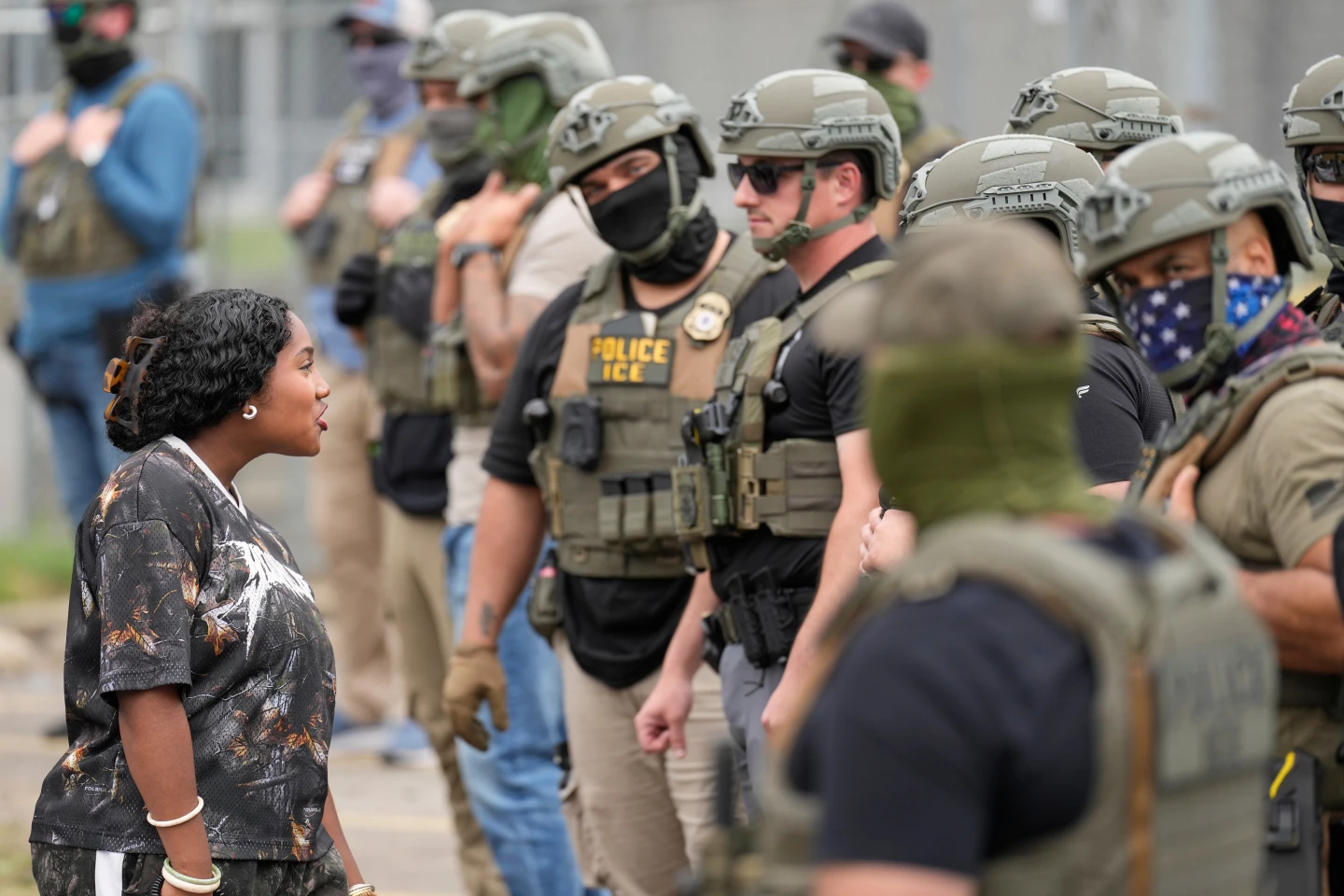
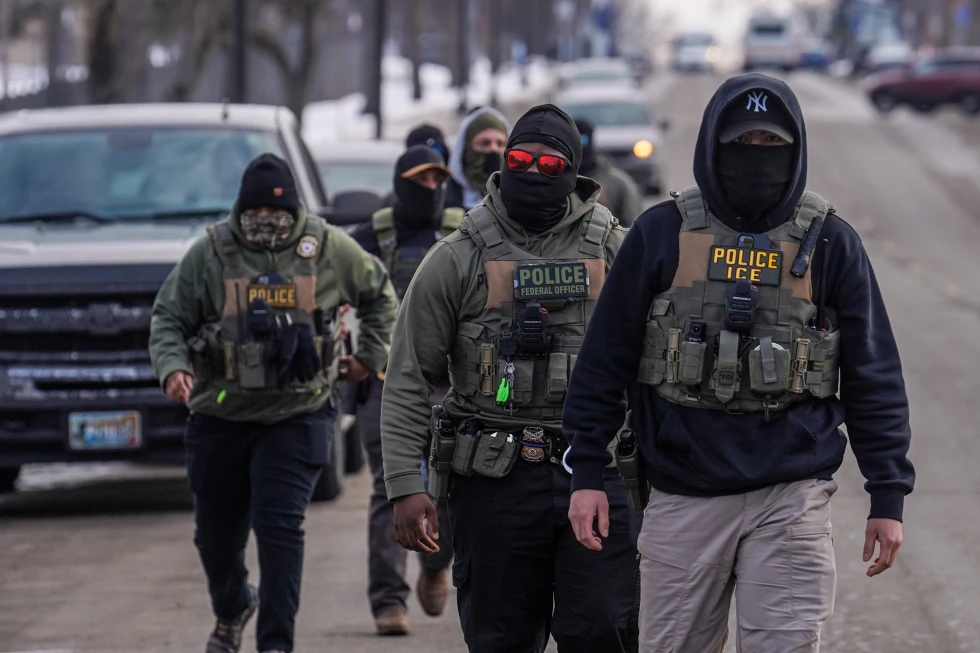
Officials from the Department of Homeland Security, as well as Immigration and Customs Enforcement (ICE), did not respond to inquiries regarding the identities or intentions of these individuals. Nevertheless, reports of federal agents impersonating construction workers or delivery personnel have surged amid a statewide immigration crackdown.
Not all incidents have been validated; however, they have heightened anxiety in an already tension-filled environment, raising concerns about a significant shift in immigration enforcement tactics during the Trump administration. Activist groups caution that such deceptive techniques could foster distrust among communities, complicating law enforcement efforts.
According to Naureen Shah, director of immigration advocacy at the ACLU, associating professional workers like electricians with ICE perpetuates fear and inhibits public trust. If you have people afraid that the electrical worker outside their house might be ICE, you’re inviting public distrust and confusion on a much more dangerous level, Shah stated.
A More Extreme Degree of Deception
Historically, immigration authorities have resorted to disguises to execute their operations. However, under the current political climate, reports suggest these practices have intensified, with undercover tactics now occurring in plain sight.
One incident involved two men visiting a store that sells license plates, allegedly to obtain recent ones, only to later be identified as connected to immigration enforcement. Such activities have raised alarms among local community activists, establishing a culture of suspicion and wariness regarding those in professional uniforms.
Immigration enforcement advocates argue that growing suspicions have led federal agents to adopt more stratagems in their operations to counter the expansive network of local observers monitoring their activities.
As state officials note, the findings reveal a potential breach in state law, wherein ICE agents have reportedly switched or utilized bogus license plates during operations without proper legal protocol.
In the wake of these developments, individuals like Ramirez remain vigilant, reflecting a community increasingly alert to the potential for underhanded tactics in a climate fraught with fear regarding immigration policies.