Brazil’s 2026 Election: Lula Matches Forces Against Flávio Bolsonaro
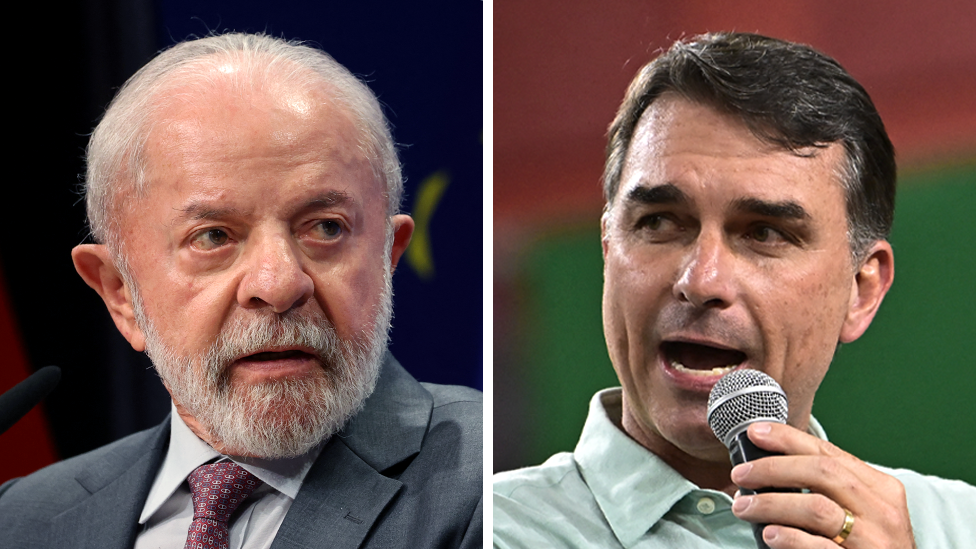
Brazilian voters head to the polls on 4 October 2026 in an election that most observers see as an ideological showdown between former President Luiz Inácio Lula da Silva and 45‑year‑old Senator Flávio Bolsonaro, the eldest son of the ousted former President Jair Bolsonaro.
Lula, a veteran left‑wing leader who has served three non‑consecutive terms, is currently in his third term and is promised by his base to make it his final one. He is aiming to build on earlier successes such as the Bolsa Família cash‑transfer program while grappling with new environmental scrutiny over Amazon oil exploration and a shifting economic posture. Bolsonaro, meanwhile, offers a right‑leaning package that emphasizes a tough‑on‑crime stance, deregulation for farmers, and a close relationship with the United States, hoping to tap his father’s protest‑support base.
The Man Not on the Ballot
Jair Bolsonaro, who ruled from 2019 to 2023, is not eligible to run. The former army captain is serving a 27‑year sentence for conspiracy to overthrow the constitution, a conviction that followed a 2022 protest‑enforced “coup” attempt. Aside from the legal constraints, Bolsonaro has been under house arrest and is barred from posting on social media.
Despite these limitations, his political shadow remains strong in Brazil. An AI‑generated deep‑fake video of Bolsonaro endorsing his son’s candidacy, screened at Flávio’s launch, illustrates the lingering influence of the Bolsonaro name.
What Do the Polls Say?
Across a field of twelve candidates, only Lula and Flávio have surfaced in double‑digit polling, hovering around 40% each. The remaining candidates trail at 4% or below. With no candidate expected to hit an outright majority of 50% in the first round, a run‑off on 25 October is likely. Still, a shift in the 9% of undecided voters could change the calculus.
What Does Lula Stand For?
Lula’s record hinges on widespread poverty reduction and a commitment to redistributive social programs. He has faced corruption charges that were eventually annulled in 2021, allowing him to run again in 2022. In his current term, Lula has battled criticism over Amazon oil drilling yet insists that petroleum revenue is essential for Brazil’s transition to clean energy.
His government reports the lowest Amazon deforestation rates in a decade, a point he highlights as evidence of policy effectiveness. Lula also has experienced a contentious relationship with former U.S. President Donald Trump, particularly around trade and security issues.
What Is Bolsonaro Promising?
Flávio portrays himself as a “tough‑on‑crime” candidate with proposals for longer sentences, gun‑right reforms, and regulatory relief for farmers. He specifically targets the evangelical and agribusiness communities, pledging less state interference in agriculture.
Bolsonaro has also cultivated a rapport with Trump‑era officials, positioning Brazil as part of the “Shield of the Americas” anti‑crime alliance, should he win.
What Are the Main Issues Worrying Voters?
Crime and security have traditionally been top concerns, but recent revelations around banker Daniel Vorcaro—who is accused of facilitating a massive fraud scheme—have shifted focus to corruption. Vorcaro’s alleged connections to Supreme Court Justice Alexandre de Moraes, who presided over Jair Bolsonaro’s trial, have further muddied the political landscape.
Both Lula and Bolsonaro have used the scandal to criticize each other; Bolsonaro has seized on the judge’s alleged ties with the banker to discredit Lula, while Lula has cautioned voters that no one is above the law.
Beyond crime and corruption, voters also weigh economic stability, environmental policy, and Brazil’s relationship with the United States, as the country seeks equilibrium between wealth creation and ecological stewardship.