In brief
Elizabeth Tsurkov, an Israeli-Russian doctoral student, reveals her traumatic experience of being held captive in Iraq for over two years. During her ordeal, she endured various forms of torture and developed coping strategies to survive. Her release came after significant pressure from the United States, highlighting the complex interplay of politics in hostage situations. Tsurkov's story not only underscores the physical and mental scars of her captivity but also reflects her views on the political dynamics in Iraq and her commitment to her studies amidst recovery.
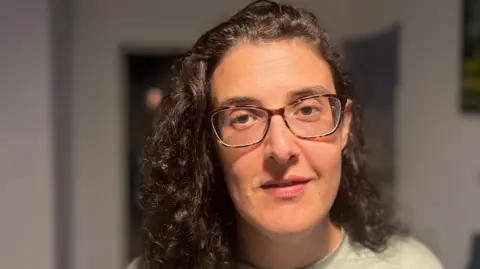
An Israeli-Russian woman held captive for two and a half years by militants in Iraq has told the BBC how she invented 'confessions' to try to get her captors to stop torturing her.Elizabeth Tsurkov, who was freed in September, says she suffered extreme abuse for 100 days, leaving her physically and mentally scarred.Warning: This article contains distressing content including descriptions of torture.'My health is not great,' Ms Tsurkov says.The interview she gave to BBC Newshour was conducted in central Israel, propped up on a bed. It is now almost three months after her release from captivity in Iraq, where she was held for 903 days. The first four and a half months had been particularly brutal: she was, she says, trussed and hung from the ceiling, whipped, sexually abused, and electrocuted.In March 2023, Ms Tsurkov, a 39-year-old doctoral student at Princeton University in the US, was living in Baghdad, conducting fieldwork for her PhD in comparative politics. She agreed to meet a woman who described herself as a friend of a friend. The woman never showed up. Ms Tsurkov started walking home. She says that a car pulled up behind her and two men dragged her in, beating and sexually assaulting her. She was driven to the outskirts of the capital.'During the first month, they starved me and interrogated me, but at the time they didn't know about my Israeli citizenship. They're simply convinced that all foreigners are spies,' she said.Ms Tsurkov insisted that she was a Russian citizen. But when the kidnappers accessed her phone, they discovered she was Israeli, and the torture began.She remarked on the brutal methods she endured, including suffocating forms of restraint and extreme violence designed to inflict maximum pain and fear.Ms Tsurkov believes she was held by members of Kataib Hezbollah, a powerful Iran-backed militia in Iraq. She detailed her efforts during brief breaks from torture to create false confessions, which unfortunately exacerbated her plight as captors sought ever more detailed 'information.'The critical turning point in her captivity came when US businessman Mark Savaya intervened, threatening severe consequences for Iraq if she was not released. Just days later, she was freed.The release was presented by Iraq's Prime Minister as a success of local security efforts, but Ms Tsurkov's narrative unveils the underlying realities of political influence and coercion in hostage situations.Now, Ms Tsurkov is focusing on her recovery in Israel, reaffirming her commitment to completing her PhD as well as reflecting on the socio-political climate shaped by her recent experiences and the ongoing conflict in the region.Her experiences have profoundly affected her views on the Israeli-Palestinian conflict, leading to increased pessimism about peace prospects.Despite the harrowing trauma of her ordeal, Ms Tsurkov expresses gratitude for her survival, viewing herself as fortunate, albeit in an extremely unfortunate situation.