Becky Pepper-Jackson, a 15-year-old from West Virginia, finds herself at the center of a heated legal and political battle concerning the participation of transgender girls in women's sports. After a successful first year in high school athletics where she earned a bronze medal in the discus throw, her upcoming season may be her last due to a statewide ban affecting transgender athletes.
This law is one of over two dozen similar regulations in the U.S., designed to prohibit transgender girls from competing in girls' sports based on the argument of maintaining fairness within women's athletics. Although the West Virginia legislature's decision has faced setbacks in lower courts, the matter is now poised for a significant review by the Supreme Court, which has previously supported various restrictions against transgender individuals.
As the court prepares to hear testimonies on the legality of such bans under the Constitution and Title IX anti-discrimination laws, legal experts and advocates from both sides are mobilizing their arguments. The general sentiment among respondents, according to recent polls, tilts in favor of restrictions — a viewpoint that is gaining momentum politically.
“I think it’s something that needs to be done... because this is important to me. I know it’s important to other people,” Pepper-Jackson expressed during a Zoom interview, reflecting her dedication to her sport and her community, despite the challenges posed by these laws.
The implications of the court's ruling could establish precedents affecting not only Pepper-Jackson's future but also the availability of alternatives for other transgender athletes across the nation. West Virginia’s attorney general, JB McCuskey, has firmly stated that allowing transgender women in women's sports undermines the integrity of female athletics, prompting a debate that has reverberated through sports and politics alike.
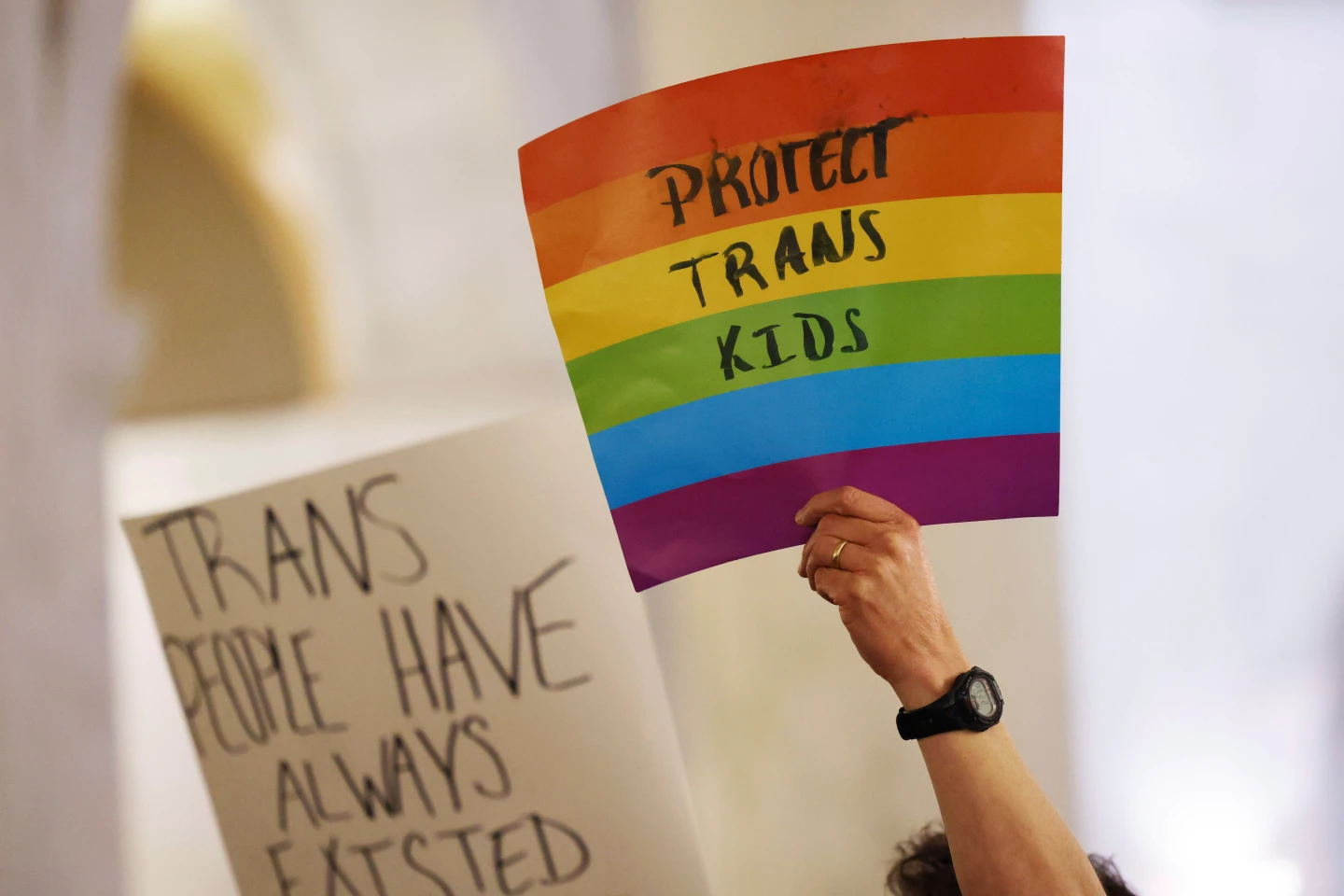
Despite the limited number of transgender athletes, advocates for these laws argue that they ensure fairness in competition after decades of fighting for women’s rights in sports. On the other hand, opponents, including Pepper-Jackson’s family, view these prohibitions as a form of discrimination, representing the wider societal struggle against the marginalized communities.
As Pepper-Jackson connects her efforts to her experiences on the field, she remains hopeful yet aware of the potential ramifications. “If I can’t compete, I will still lift weights, and I can still play in the school band,” she said, demonstrating resilience amidst adversity.
The Supreme Court's eventual decision—expected sometime next summer—will undoubtedly be pivotal, not just for Pepper-Jackson, but for the legal landscape facing transgender individuals and their rights in sports across the United States.