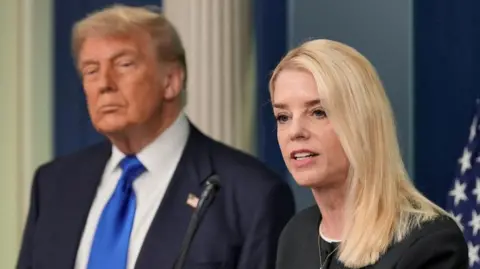
US President Donald Trump has said he is not concerned about Beijing's military drills around Taiwan, which involve Chinese forces practicing a blockade of the island.
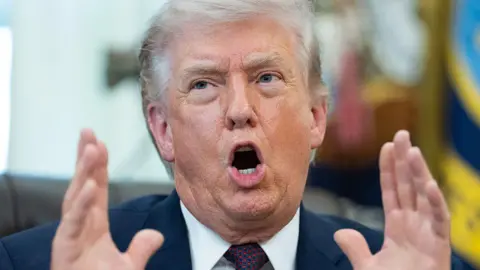
I have a great relationship with President Xi [Jinping], and he hasn't told me anything about [the drills]. I certainly have seen it, Trump stated at a press conference. He added, No, nothing worries me. They've been doing naval exercises for 20 years in that area.
The two-day military exercises that commenced recently follow a US announcement of a significant $11 billion arms sale to Taiwan, which has provoked anger in Beijing, viewing the self-governing island as a breakaway province.
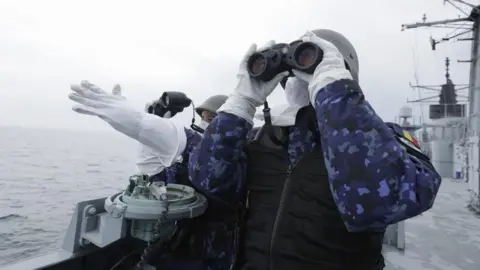
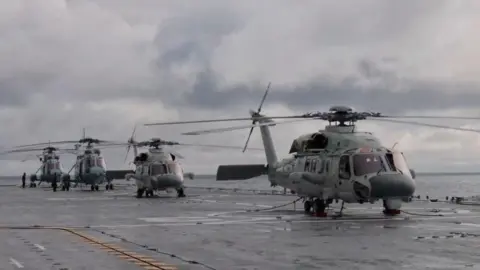
Chinese military drills are designed as a warning against Taiwan independence separatist forces and external interference, according to the Chinese military. These exercises will include live-firing drills in areas surrounding Taiwan, demonstrating increased military capability.
Taiwan's defense ministry reported the detection of 130 Chinese military aircraft near the island, with 90 crossing the median line—an unofficial border that China disputes. The Taiwanese armed forces dispatched aircraft, ships, and coastal missiles in response.
Criticism of the drills from Taiwan's presidential office described them as a challenge to international norms, while President Lai Ching-te condemned China's military pressure as irresponsible. He emphasized Taiwan's aim to act responsibly without escalating conflict.
Experts note that China's maneuvers are partly targeting the United States and could be a response to US arms sales, which now include offensive weaponry. Some analysts express concern over Trump's commitment to Taiwan's defense, suggesting he might adopt a transactional approach that risks undermining Taiwan's security.
Despite Trump's assurance, China's long-standing goal of reunification with Taiwan remains, with preparations of military drills and incursions intensifying as Taiwan continues to strengthen its defenses in response. The recent arms sale and ensuing sanctions from China underline a growing tension between these nations amidst a complex global context.