Violation of International Law Cited in Ongoing Iran Conflict: Experts Speak Out
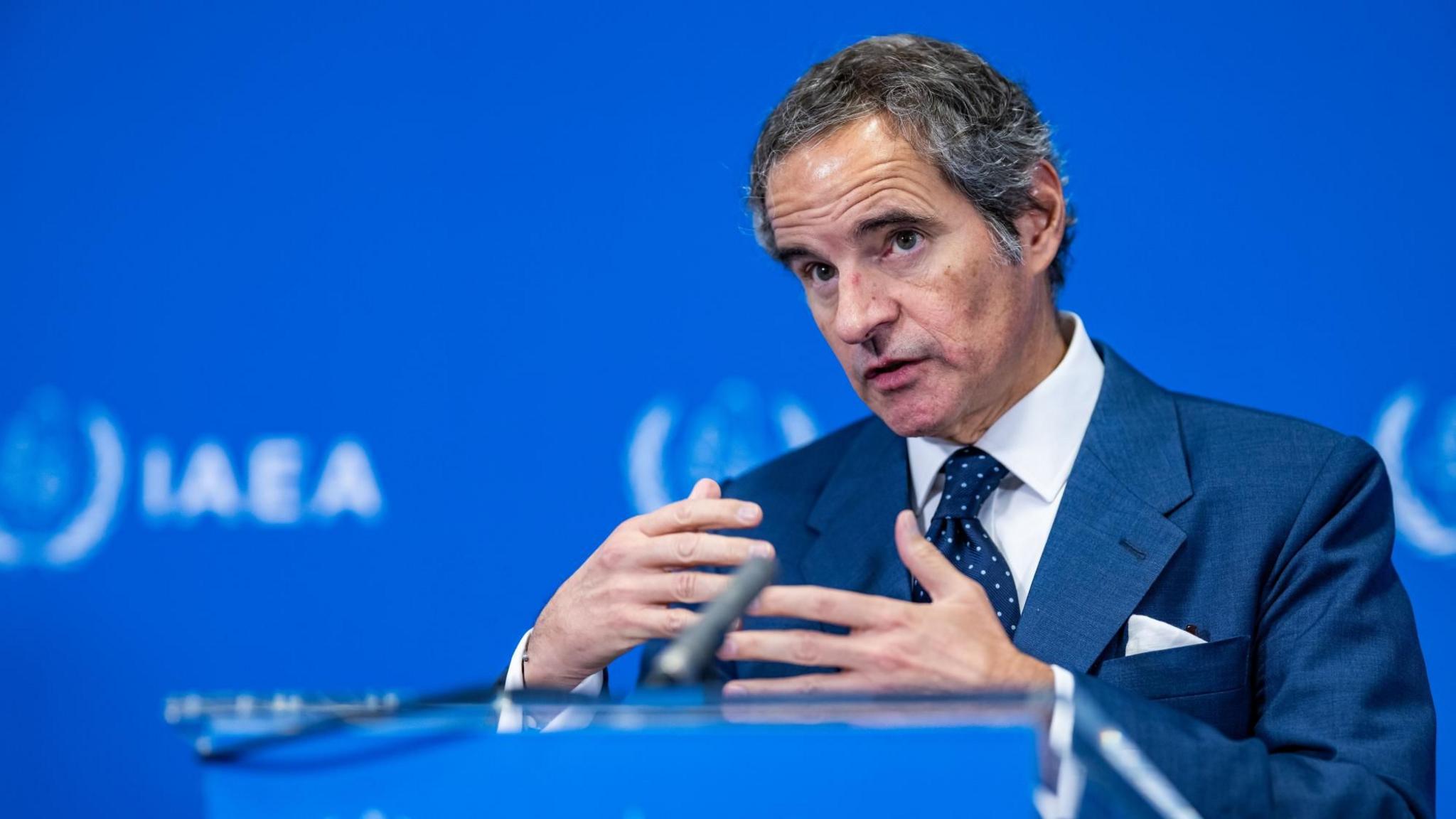
More than 100 experts on international law have signed an open letter expressing profound concern about what they see as serious violations of international law by the US, Israel, and Iran in the Middle East war.
The letter highlights the US-Israeli decision to attack Iran as a breach of the United Nations Charter, which prohibits the use of force outside self-defense unless authorized by the UN Security Council.
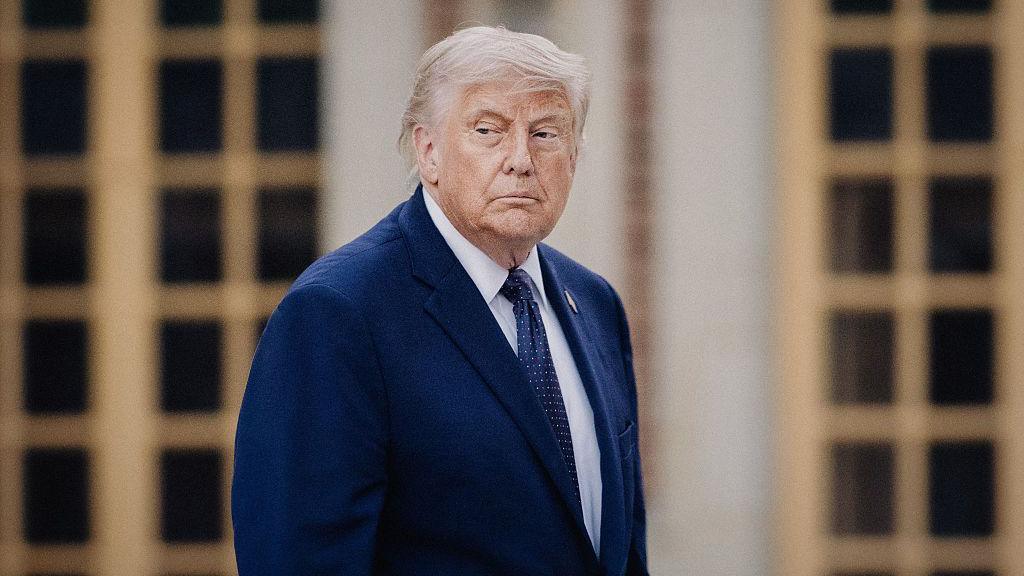
Experts have criticized the alarming rhetoric from officials, including threats made by US President Donald Trump to annihilate Iran's power infrastructure. In contrast, the White House argues that Trump's actions are aimed at ensuring safety in the region and dismisses the concerns of these so-called experts as unfounded.
The letter also condemns comments from Defense Secretary Pete Hegseth about giving no quarter to enemies, which the experts note contradicts the principles of international humanitarian law prohibiting the execution of those who surrender or are wounded.
Among the signatories are Jonathan Tracy, a former US army judge advocate, Harold Hongju Koh, a former legal adviser at the US State Department, and Oona A Hathaway, a professor of International Law at Yale Law School.
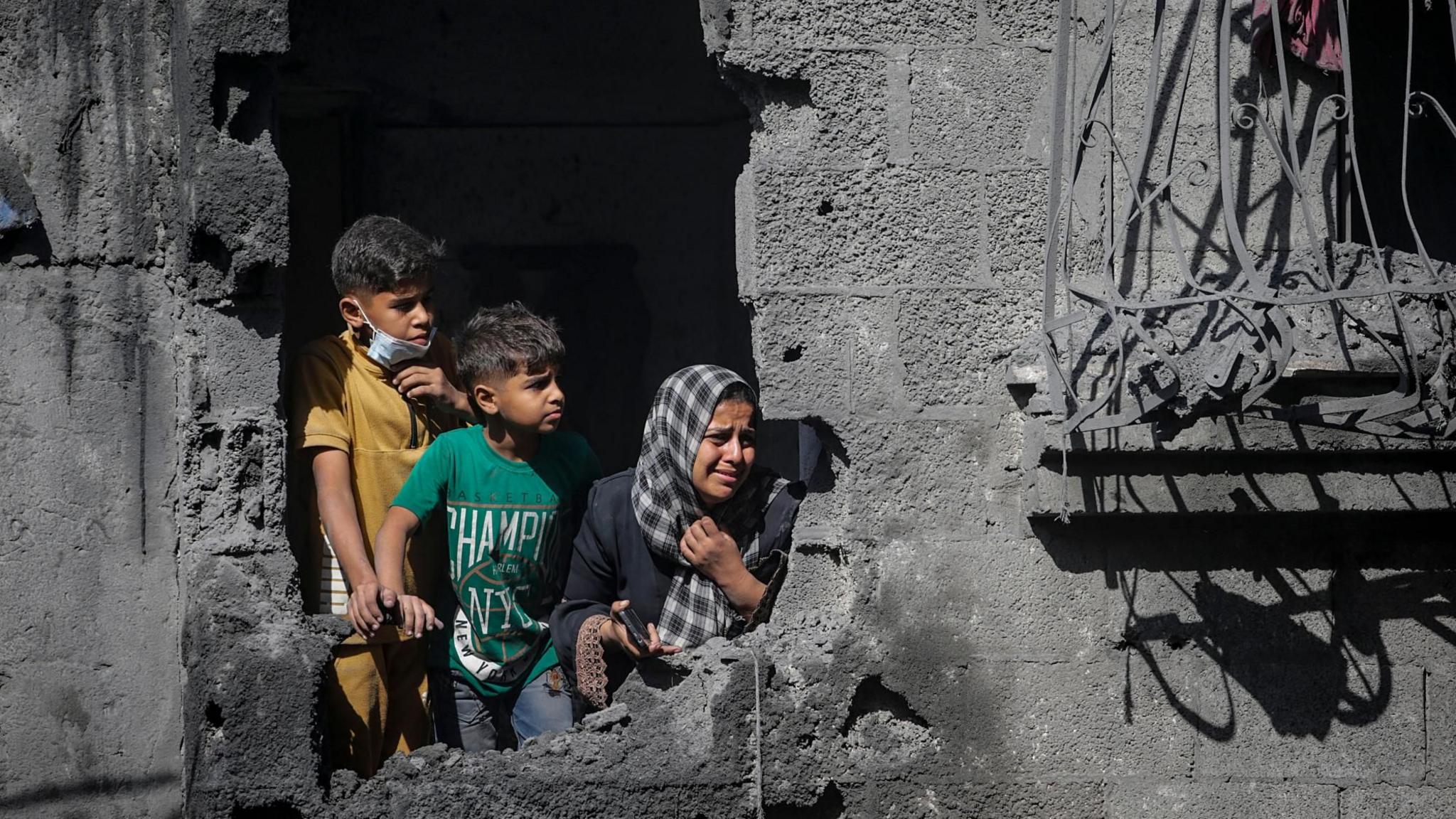
The experts express that such conduct endangers civilians and undermines essential global legal norms that protect individuals during conflicts.
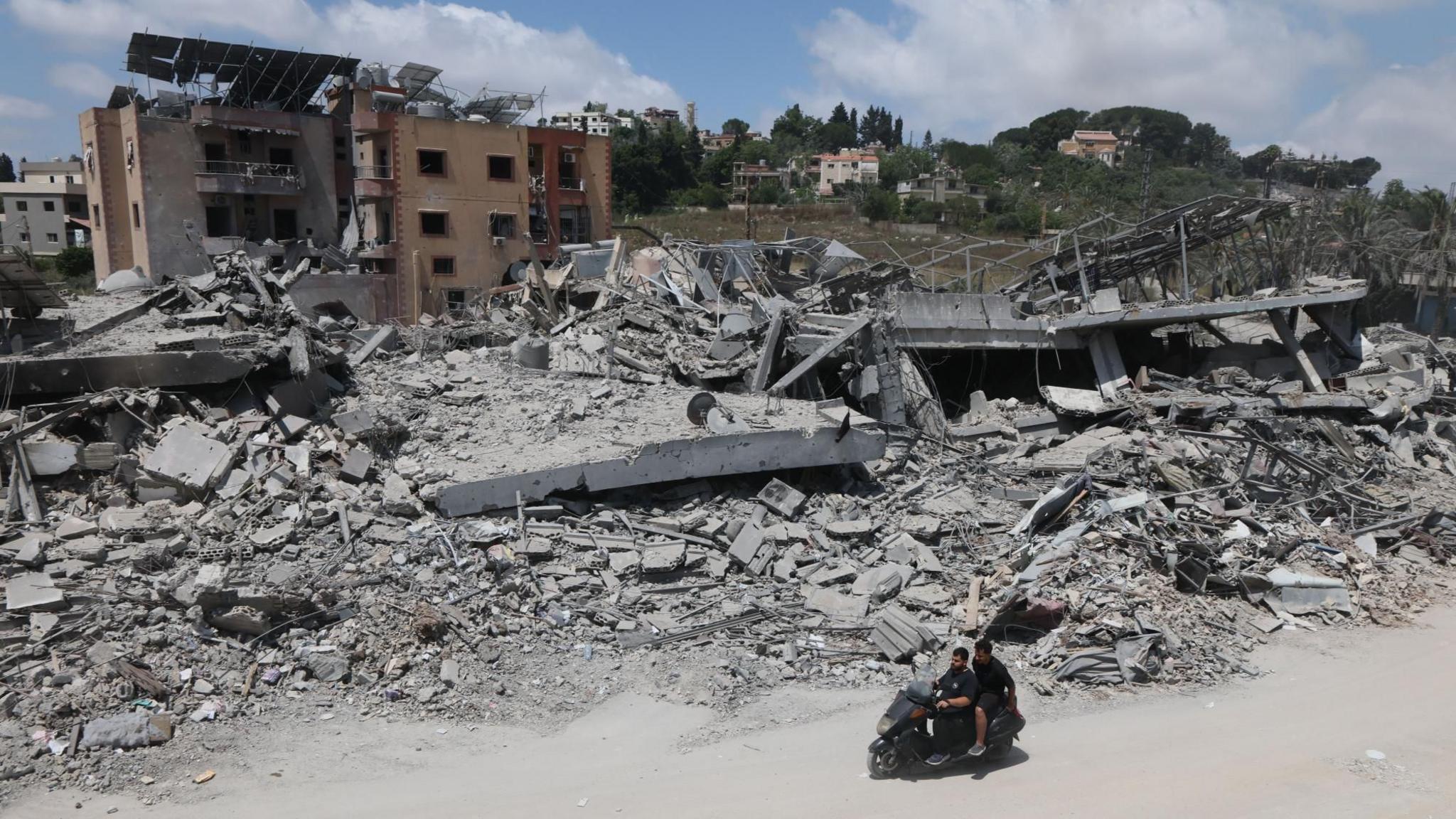
Recent reports indicate that since the conflict's onset, over 1,600 civilians, including at least 244 children, have perished in Iran, while missile strikes from Iran and Lebanon have reportedly claimed at least 19 civilian lives in Israel.
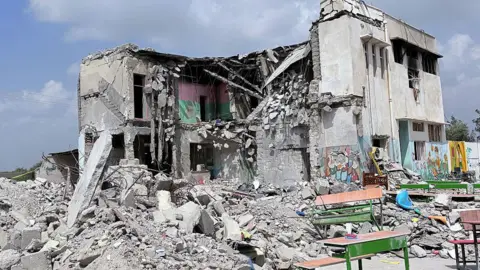
A notable incident is the attack on a primary school in Minab, Iran, which resulted in at least 168 fatalities, mostly children. The US Department of Defense is investigating the possibility that this tragic event was a result of a US strike stemming from faulty intelligence.
The letter concludes by emphasizing that breaches of international law, particularly in cases where recklessness is evident, could amount to war crimes.