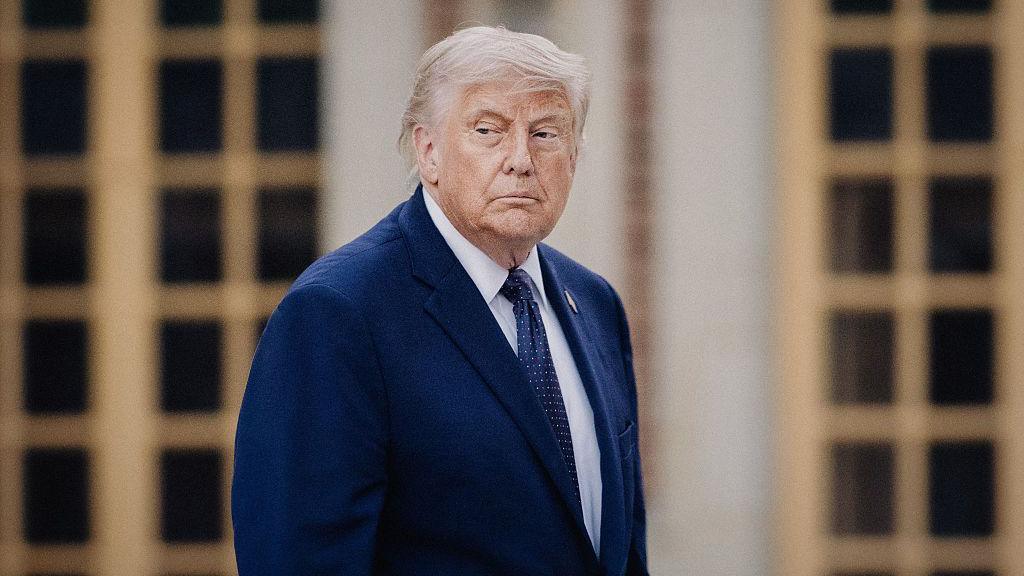
In a recent address, President Donald Trump spoke from the White House about the ongoing military operation in Iran, seeking to calm public unease. Despite expectations for significant revelations, the 20-minute speech largely reiterated his previous statements, conveying that the core strategic objectives were nearly achieved after a month of conflict.
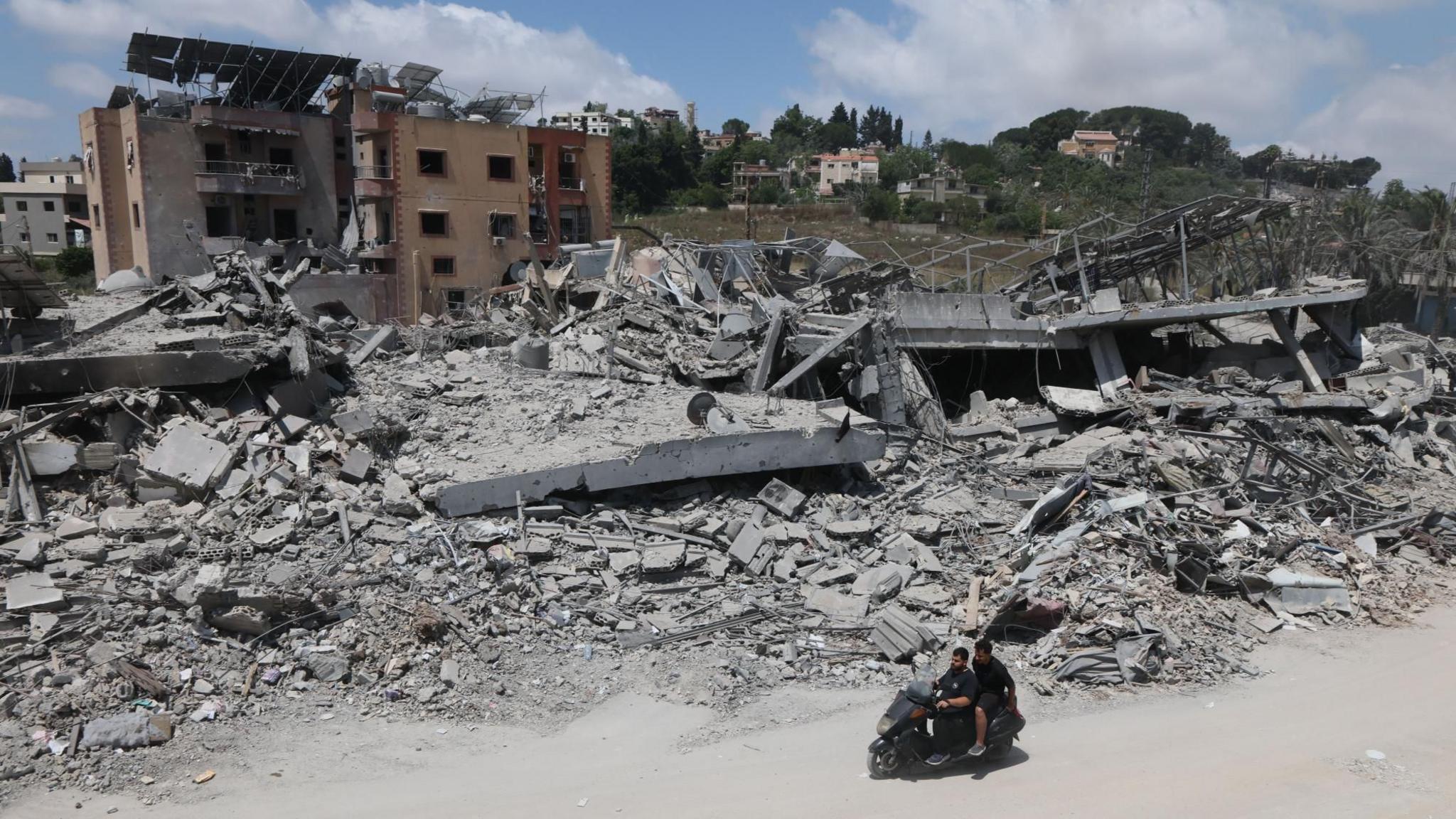
Trump projected a timeline for the war's conclusion, estimating it would extend another two to three weeks. He reiterated threats against Iran, claiming he would bomb the country back to the stone age, and attempted to convince Americans that the war was an investment in their future. However, public opinion polls indicate persistent disapproval of the military action he initiated on February 28.
While Trump urged a viewpoint that framed the war as less severe than previous conflicts, his address left major questions unanswered. Analysts pointed out glaring omissions, with critical inquiries about the strategy's direction and likely exit points remaining unaddressed. The president did not clarify the role of the thousands of U.S. troops deployed to the region nor his administration's previous peace proposals to Iran.
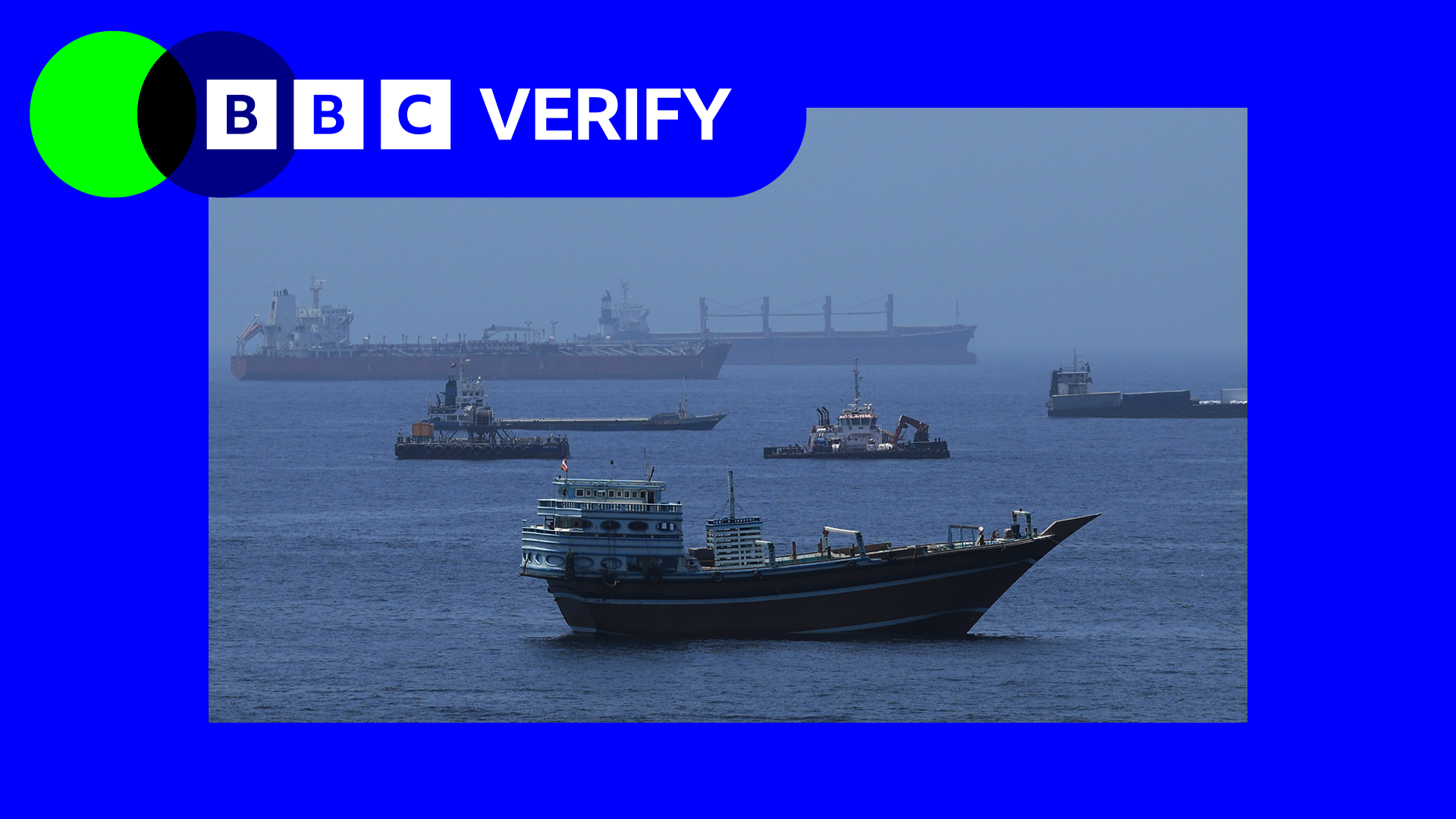
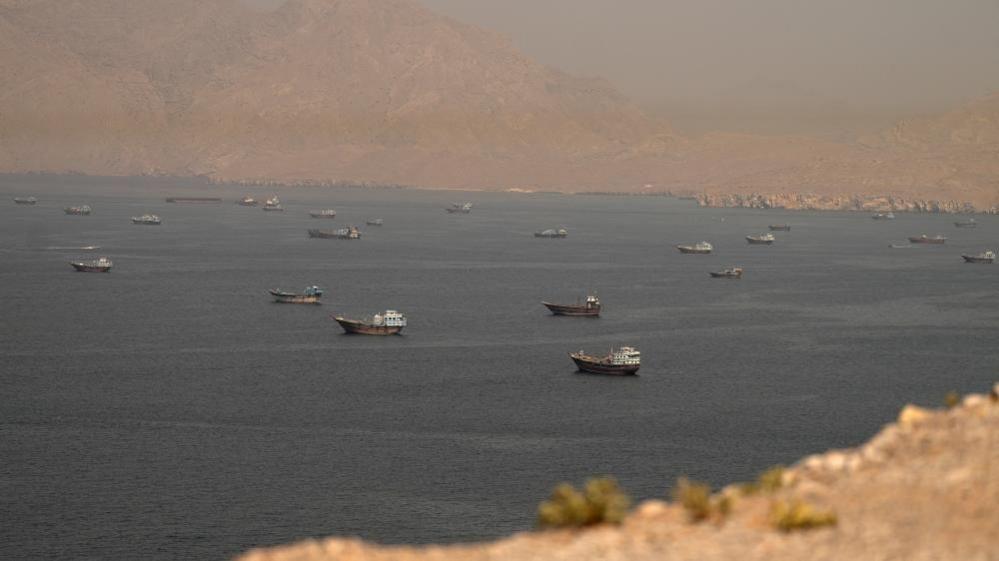
Additionally, concerns surrounding the Strait of Hormuz, a pivotal oil shipping route shut down by Iran, were met with vague statements. Trump diverted the responsibility to allies while suggesting that reopening the strait would resolve itself after the conflict, failing to appease worries about fluctuating oil prices and the broader economic impact.
This lack of direction in Trump's speech contrasts with prior statements where he suggested a disinterest in NATO obligations, yet this rhetoric did not feature in his national address. As gas prices surpass $4 in the U.S., coupled with declining approval ratings ahead of crucial midterm elections, the president's struggle to define a path forward in the Iran war leaves many Americans concerned about the nation's military and economic future.