Ukraine is now living through its most difficult winter in recent memory.
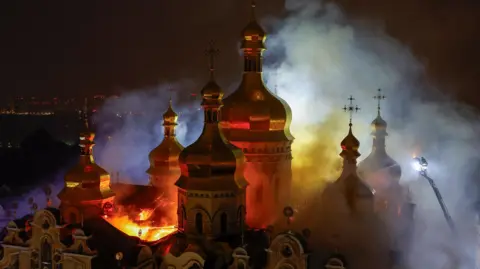
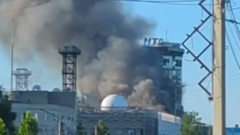
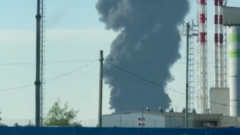
With January temperatures plummeting below -15C, Russia has been attacking energy infrastructure, leaving about a million Ukrainians without heating.
The capital, Kyiv, is the main target of such attacks. Following the latest Russian bombardment overnight into 24 January, almost 6,000 apartment blocks were left without heating, according to mayor Vitaly Klitschko.
This is the third such Russian attack targeting Kyiv's heating infrastructure in little more than two weeks.
'Living in Kyiv is a bit of a gamble these days,' one resident, Rita, told the BBC. 'If you have heating and gas, there is no electricity and water. If you have electricity and water, there is no heating.'
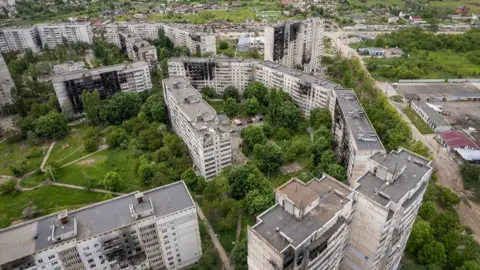
She describes her frustrating daily reality of guessing what utilities will work. This struggle is compounded by the reliance on communal heating systems in Soviet-era apartment blocks, which are now vulnerable to targeted attacks.
Heating plants in Ukraine serve large numbers of residents, making them strategic targets in the conflict. Kharkiv, for instance, is characterized by Soviet-style large apartment complexes relying heavily on centralized heating.
'Ukraine inherited the Soviet heating system and didn't change anything; it stays predominantly centralized,' noted energy expert Yuriy Korolchuk. 'These heating plants were not designed to be attacked with missiles or drones.'
During the previous winters, such strikes against heating systems were not commonly observed, indicating a shift in Russian military strategy.
In Kyiv and frontline city Zaporizhzhia, the vast majority of inhabitants depend on central heating.
Authorities are aware of these vulnerabilities and aim to modernize heating delivery by transitioning to individual heating solutions for apartment blocks. However, such reforms will face significant challenges given the longstanding reliance on Soviet-era urban planning.