Trump's Peacemaking Initiative: A Challenge to the UN's Role?
Together we are in a position to… end decades of suffering, stop generations of hatred and bloodshed, and forge a beautiful, everlasting and glorious peace for that region and for the whole region of the world.
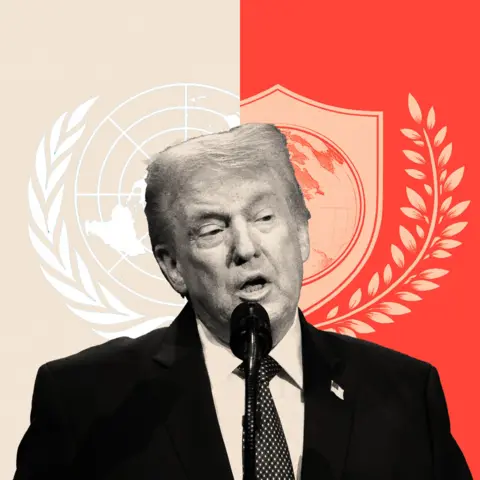
This optimistic declaration came from US President Donald Trump as he introduced his new Board of Peace at the Davos Economic Forum last week. While many desire a resolution to ongoing conflicts, there is skepticism over Trump's ability to replace the UN with a board controlled predominantly by his leadership.
Trump's initiative comes alongside a backdrop of emerging geopolitical tensions and aims to assert a different international architecture, leveraging the influence of like-minded nations and potentially sidelining traditional institutions like the UN. Critics, including Poland's Prime Minister Donald Tusk, caution against this shift, hinting at the dangers of concentrating such power in a singular vision.
At Davos, Trump pointed to his record in mediating peace agreements and related his tenure to potential achievements in conflict resolution, engaging a diverse group of 19 nations in support. Yet the expansive powers earmarked for Trump as the board's chairman for life—including the authority to determine membership and disband subsidiary bodies—echo concerns about a return to unilateralism in global diplomacy.
The Board's design leans heavily towards grand ambitions; its inception was reportedly inspired by US-led efforts to bring peace in Gaza and has a broad scope that seeks to extend its influence globally. Nevertheless, apprehensions have emerged about the implications for the UN's established role, based on decades of international diplomacy aiming to be inclusive and representative.
Leaders from several nations, including those within the EU and prominent Middle Eastern states, have shown hesitance or outright refusal to join the board, as the long-term prospects for diplomatic solutions to current issues, like the Israeli-Palestinian conflict or tensions in Ukraine, remain unclear.
Trump's board promises a new dynamic in international relations, where he insists it could operate alongside the UN. However, critics voice a need for balance between power and the diplomatic inclusion that has characterized peace efforts historically. As discussions unfold within the realm of international governance, the coming months will test the viability of Trump's vision against established diplomatic norms.