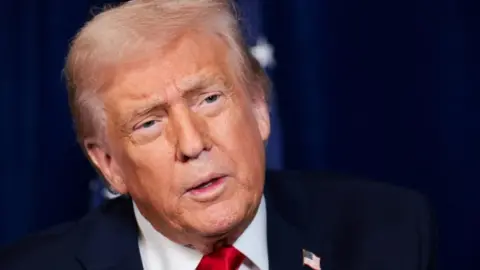
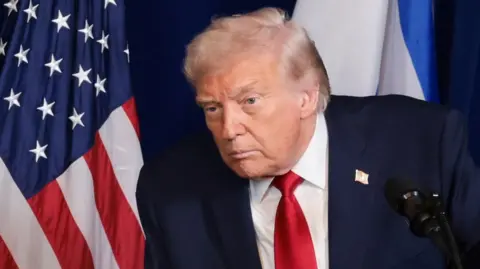
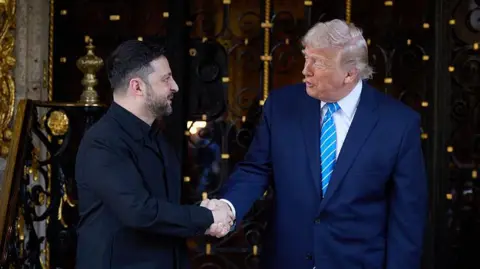
WASHINGTON (AP) — In an unexpected move, President Donald Trump issued the first vetoes of his second term on Tuesday, rejecting two bipartisan bills that had previously gained traction in Congress, leading to allegations of political retaliation.
Trump vetoed crucial drinking water pipeline legislation from Republican Rep. Lauren Boebert of Colorado, who recently broke ranks with the president by supporting the release of files on convicted sex offender Jeffrey Epstein. He also vetoed a bill aimed at granting the Miccosukee Tribe of Indians in Florida more control over their tribal lands, an area of contention due to the tribe's active involvement in legal disputes against the administration regarding immigration policy.
Both pieces of legislation had garnered bipartisan support and were considered noncontroversial until Trump's vetoes were announced late Tuesday. These actions are perceived as a punishment aimed at those who had crossed the president on other issues.
In his letter to Congress explaining the veto regarding the Florida legislation, Trump stated that the Miccosukee Tribe had sought to obstruct what he termed 'reasonable immigration policies' upheld by a majority during his election. This assertion hints at his ongoing tension with groups opposing his administration's policies.
While Boebert did not receive a direct mention in Trump's veto announcement, she expressed concern that the veto might have been politically motivated, responding on social media, I sincerely hope this veto has nothing to do with political retaliation for calling out corruption and demanding accountability. Americans deserve leadership that prioritizes people over politics. She further declared that this issue was not settled.
The Florida bill was spearheaded by Republican Rep. Carlos Gimenez, a Trump ally, although both Gimenez and representatives from the Miccosukee Tribe declined immediate comment post-veto.
When questioned whether the vetoes represented retaliation, the White House refrained from providing a direct answer, choosing instead to reference Trump's statements. There is speculation about Congress's ability to override these vetoes, especially given the current political landscape where many GOP members rely on Trump's influence for their re-elections.
Boebert's proposed law, known as the Finish the Arkansas Valley Conduit Act, aimed to ensure clean drinking water access in eastern Colorado—a critical resource for the region.
As the situation evolves, other lawmakers, including Republican Rep. Jeff Hurd from Colorado, have openly expressed their dismay over the vetoes, emphasizing that the legislation was a crucial commitment to southeastern Colorado's infrastructure without imposing additional financial burdens on the federal government.