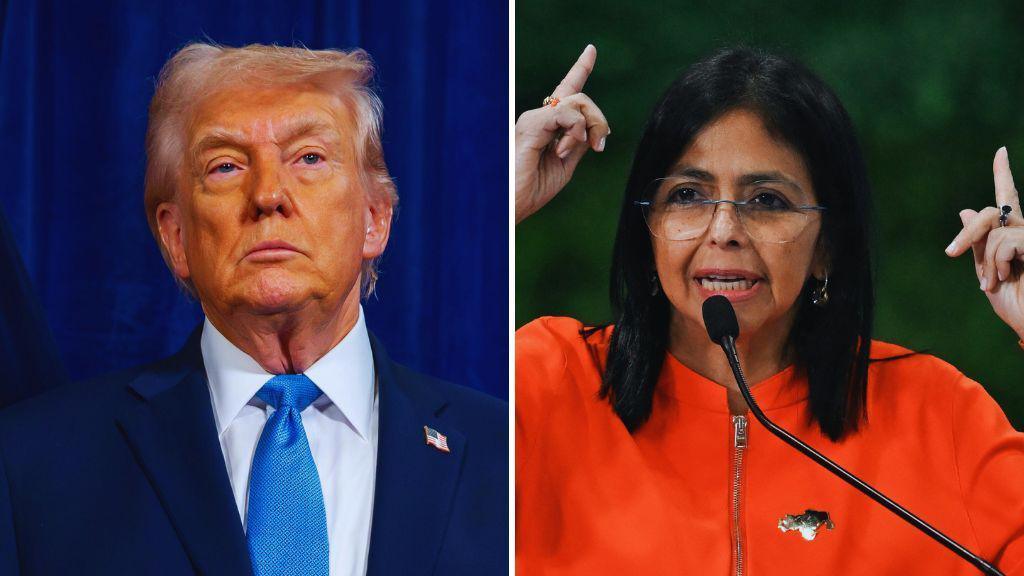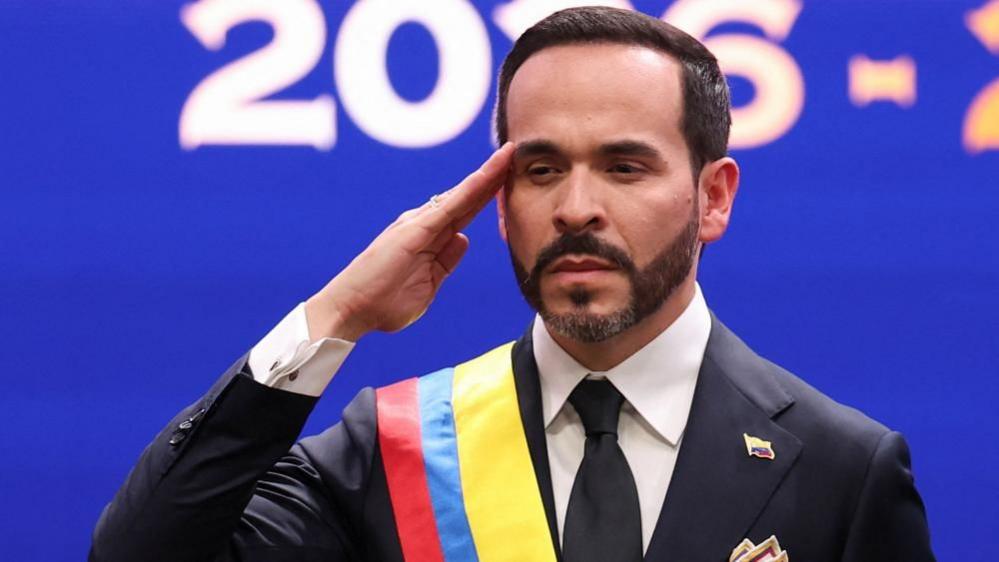

Venezuela’s interim president, Delcy Rodríguez, announced a new agreement with General Electric to reconstruct the country’s electricity grid. The deal is an overt shift away from the previous administration’s confrontation with U.S. firms and comes after a period of persistent power cuts that have crippled major cities, including the capital, Caracas.
The agreement, signed in a televised ceremony at the presidential palace, is described by Rodríguez as “a historic step for Venezuela.” It aims to restore an essential public service that has been suffering for years due to inadequate investment and maintenance of the nationalised grid established during Hugo Chávez’s 2007 reforms.
Energy Minister Rolando Alcalá, an electrical engineer appointed by Rodríguez, played a key role in negotiating the contract. His appointment follows six years of military‑led ministry chiefs who failed to address the grid’s deteriorating condition.
Despite the optimism, critics argue that most state institutions, including the legislative, executive, and judicial branches, remain under the control of the ruling party. Opposition voices highlight that the electoral council still shows a strong loyalty to the former regime.
The power outages are partly blamed on the Guri hydroelectric dam’s reduced output amid a prolonged drought. Analysts point out that a lack of investment, coupled with high consumption, has created an energy crisis that hampers Venezuela’s broader economic recovery.
The partnership with General Electric reflects a broader tilt of the interim administration toward U.S. engagement, coinciding with recent joint military actions with U.S. forces. It underscores a possible shift toward a more open political and economic environment, although the depth and pace of reforms remain uncertain.