Venezuela signs agreement with US energy giant to rebuild power grid
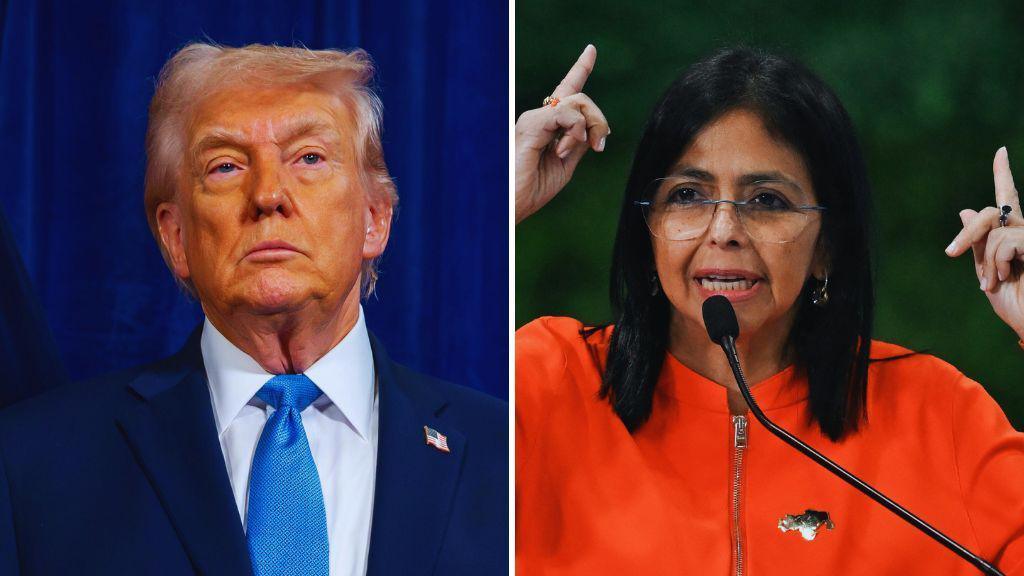
In a televised ceremony earlier this week, Venezuela’s interim president Delcy Rodríguez signed a contract with the American company General Electric to overhaul the country’s power infrastructure.
The deal, announced from the presidential palace, is the latest evidence that Rodríguez, who came to power after U.S. forces seized Nicolás Maduro in January, is moving the economy toward foreign investment. The agreement includes a plan to modernise the grid, add new substations and repair the Guri hydroelectric dam that has been unable to supply enough electricity.
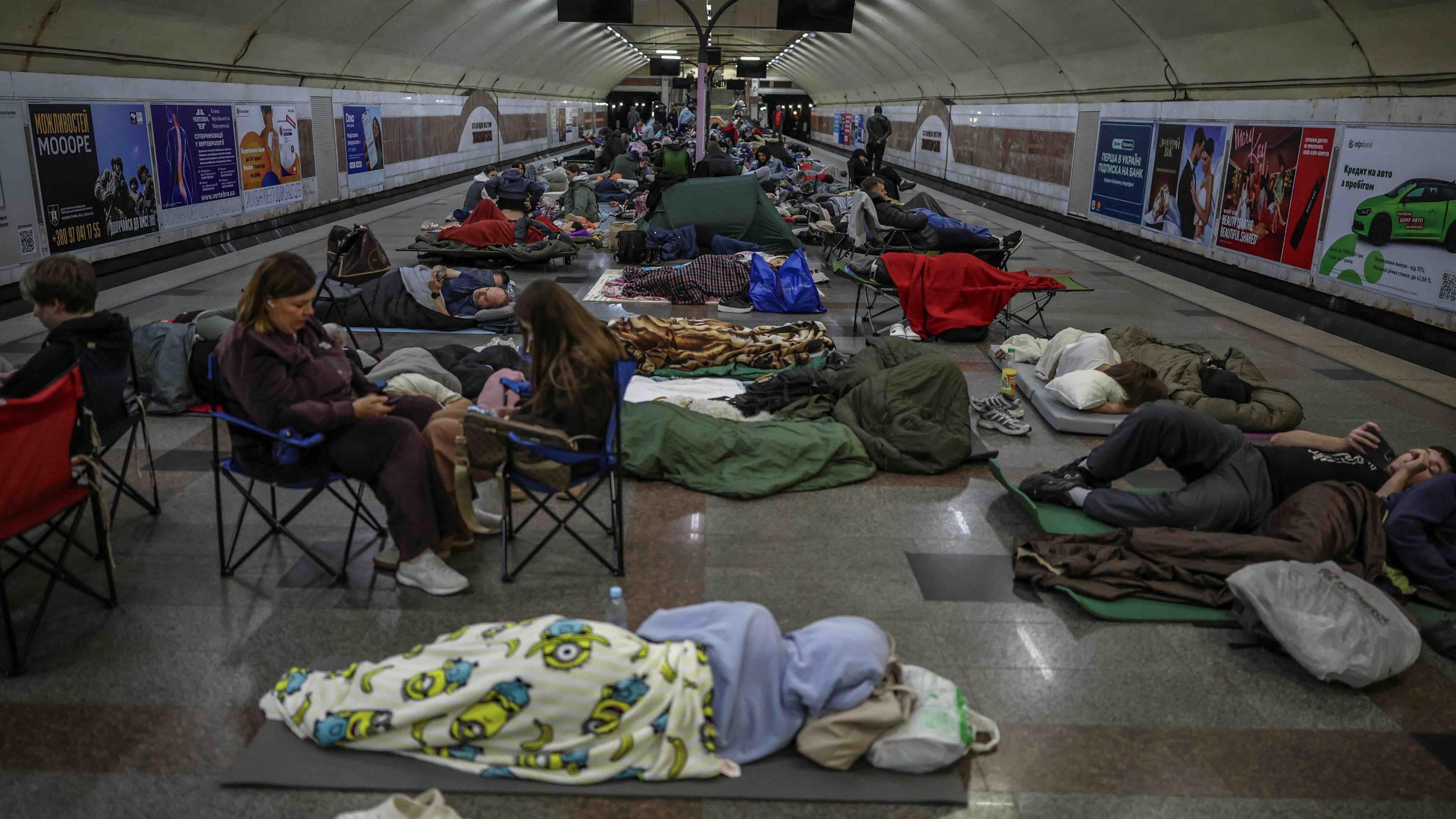
Venezuela has faced frequent, lengthy blackouts, with outages lasting over ten hours that have affected Caracas and other major cities. Analysts attribute the crisis to a drought, a lack of maintenance and high demand, and warn that without investment the system will continue to deteriorate.
While the partnership is hailed as “a historic step for Venezuela”, opponents argue that many governmental institutions—especially the judiciary and the electoral council—remain dominated by Maduro loyalists. They caution that opening the market does not automatically guarantee political freedom.
The agreement was made under Energy Minister Rolando Alcalá, an engineer appointed by Rodríguez three months ago after a six‑year period of military control over the ministry. Alcalá’s appointment is seen as a move toward professionalising the sector.
The United States and Venezuela have since seen closer cooperation. U.S. President “contributed to a military strike that killed a leader of the Tren de Aragua gang” – an operation that previous administrations deemed impossible. U.S. Secretary of State Marco Rubio has urged that Venezuela hold free and fair elections as a precondition for sustained investment, stressing the need for an open media and a reformed electoral body.
The power‑grid renewal is a tangible benefit for Venezuelans while the broader political reconstruction remains contested. Economic analysts note that infrastructure repair could pave the way for future investment if the political climate stabilises.