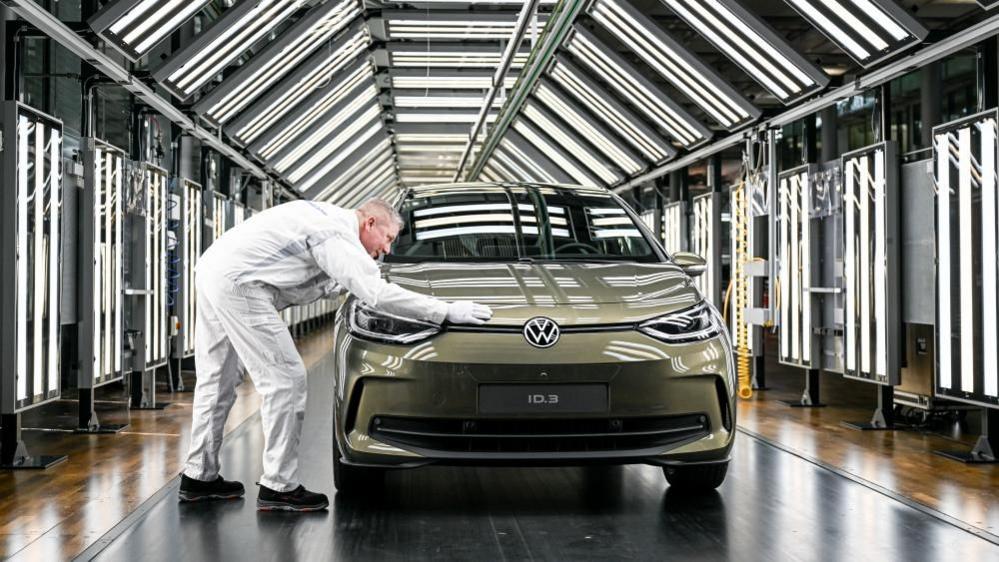
Volkswagen Group, led by chief executive Oliver Blume, announced plans to cut up to 100,000 jobs across its global operations, nearly doubling the earlier target of 50,000 posts in Germany.
Blume’s memo, addressed to staff, cited the company’s cost structure as 20% higher than rivals and highlighted the need for further reductions in outgoings. The crystallised estimates would translate into a theoretical loss of 50,000 jobs worldwide, with the German headquarters uncertain about repurposing four factories previously slated for closure.
Between 2023 and 2025, VW’s operating profit fell from €22.6 bn to €8.9 bn, reflecting steep declines in sales, especially in China—once a major market—where sales dropped by 26% in the first half of the year. Sales in the United States also slipped more than 7% after the introduction of import tariffs under the former administration.
Chinese brands, leveraging lower production costs and new technologies, have been advancing into European markets, raising pressure on established automakers such as Volkswagen to tighten margins and improve efficiency.
In late 2024, amid threats of widespread strikes, VW reached a deal with IG Metall to remove 35,000 jobs from the VW brand by 2030, and a further 15,000 from its other marques, under the label of a socially responsible approach to workforce reductions.
Protesters recently staged strikes and demonstrations at VW sites across Germany ahead of an upcoming supervisory board meeting where stakeholders, including labour representatives and executives, will discuss the future workforce strategy.
Industry commentators suggest that the announcement of a 100,000‑job cut may have been used for bargaining leverage, and that the final figure could end up lower than initially stated. Nonetheless, the reported intentions underscore the profound challenges facing the German car industry.