After a week of mass funeral processions, rallies and mourning ceremonies, Iran’s late supreme leader has been buried in a ceremony that also served to underscore the country’s ongoing conflict‑driven leadership transition.
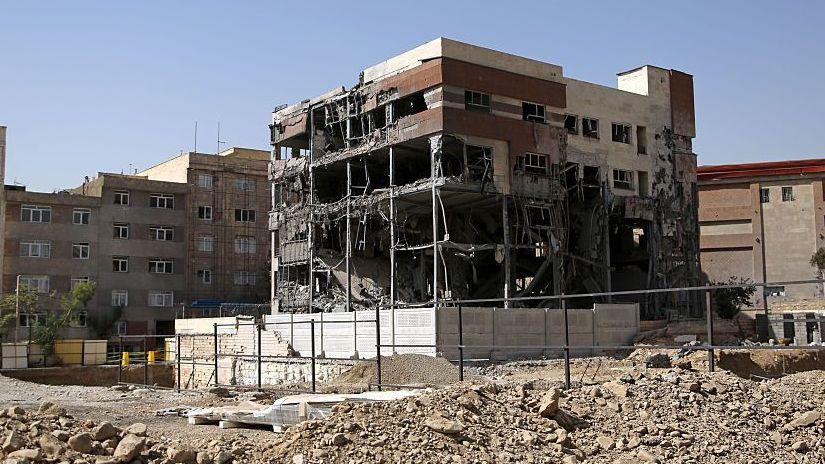
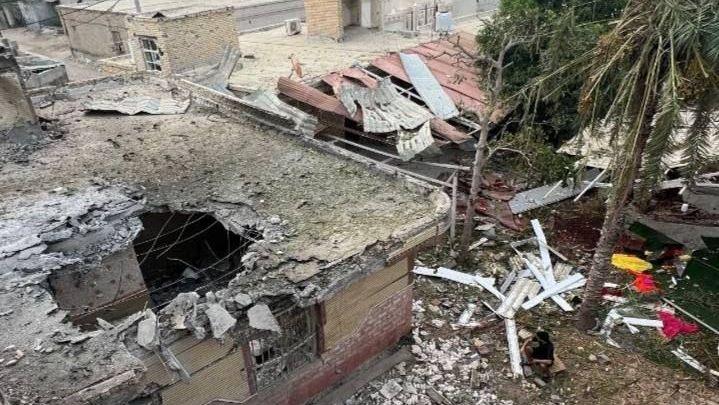
The late Ayatollah Ali Khamenei’s death—reported by several sources as the result of an assassination‑like event during the US‑Israeli war—came at a time when senior Iranian figures were targeted, forcing the funeral preparations to be postponed until conditions were secure.
In the wake of the funeral, the Supreme Leadership was passed to his son, Mojtaba Khamenei, who has not been publicly visible since he was reportedly wounded in the attack that killed his father. This succession raises questions about the concentration of authority, as Mojtaba’s role and physical condition remain contested.
Public and opposition groups expressed varied reactions. While state‐controlled media broadcast scenes of solemn national mourning—highlighting loyalty to the new leadership—opposition voices, including independent journalists and civil society groups, called for transparency about Mojtaba’s decision‑making capacity and for a clear strategy to manage sanctions relief.
Foreign analysts point to potential shifts in Iran’s foreign policy. Some suggest that the new leadership may adopt a more cautious stance towards the West, hoping to secure easing of economic sanctions, while others warn that the domestic power struggle could weaken Iran’s ability to maintain its regional influence, particularly on matters such as the Iran‑Iraq Kurdish frontier and its stance on the Little Arctic policy.
Despite the uncertainties, the Iranian populace has largely remained in a state of observant hope, with major public gatherings hinting at a possible policy continuity but wariness about potential internal power shifts.
The new leadership’s agenda will inevitably face the test of balancing domestic expectations—particularly amid economic hardships—beyond the ever‑present tension with the international community. Hence, Iran’s next steps must involve a strategy that addresses internal legitimacy, a clear diplomatic posture toward the West, and a unified approach to security affairs within the contested region.