Witness Shakes Court in Tupac Shakur Murder Trial: A Complex Narrative
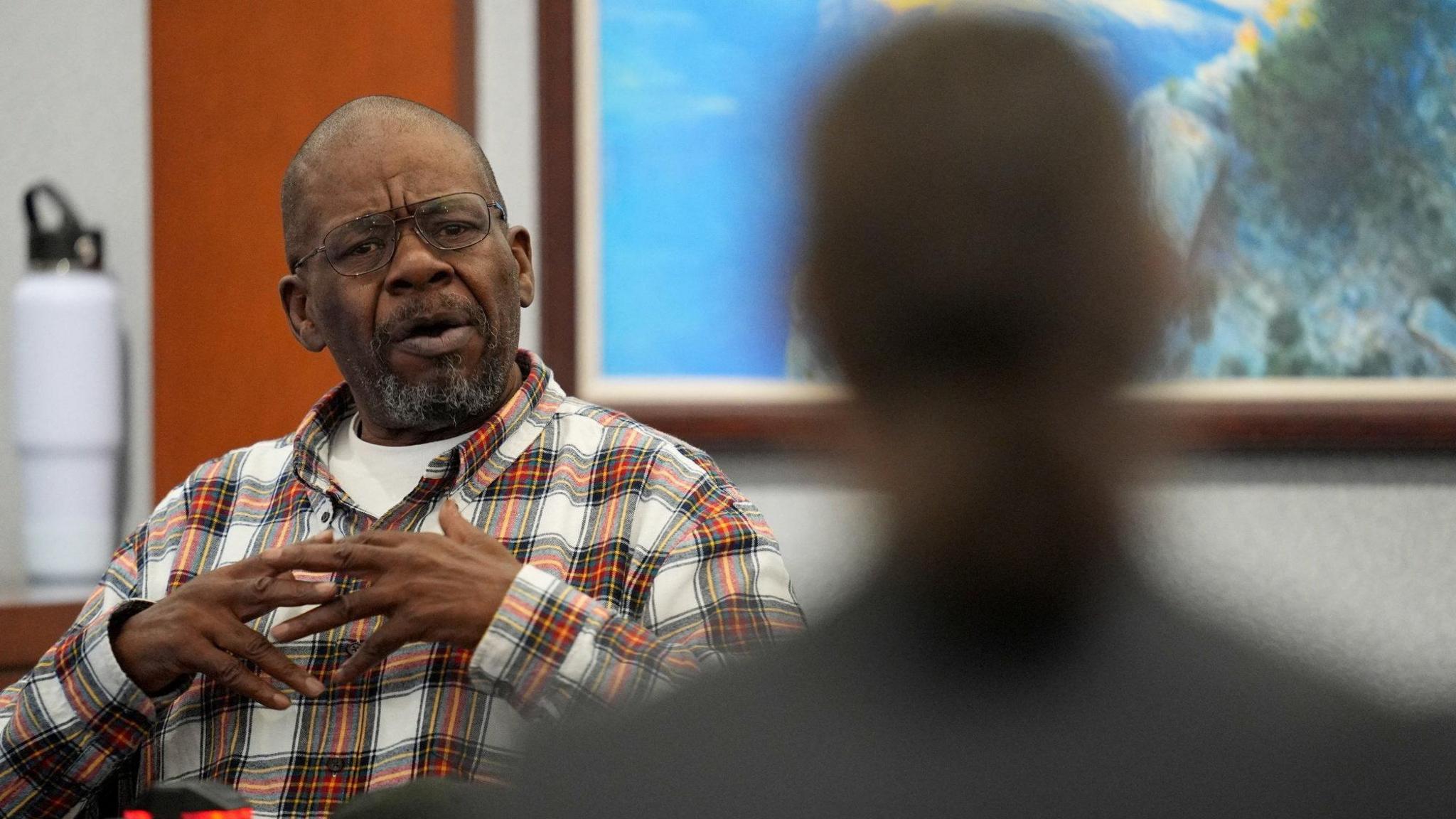
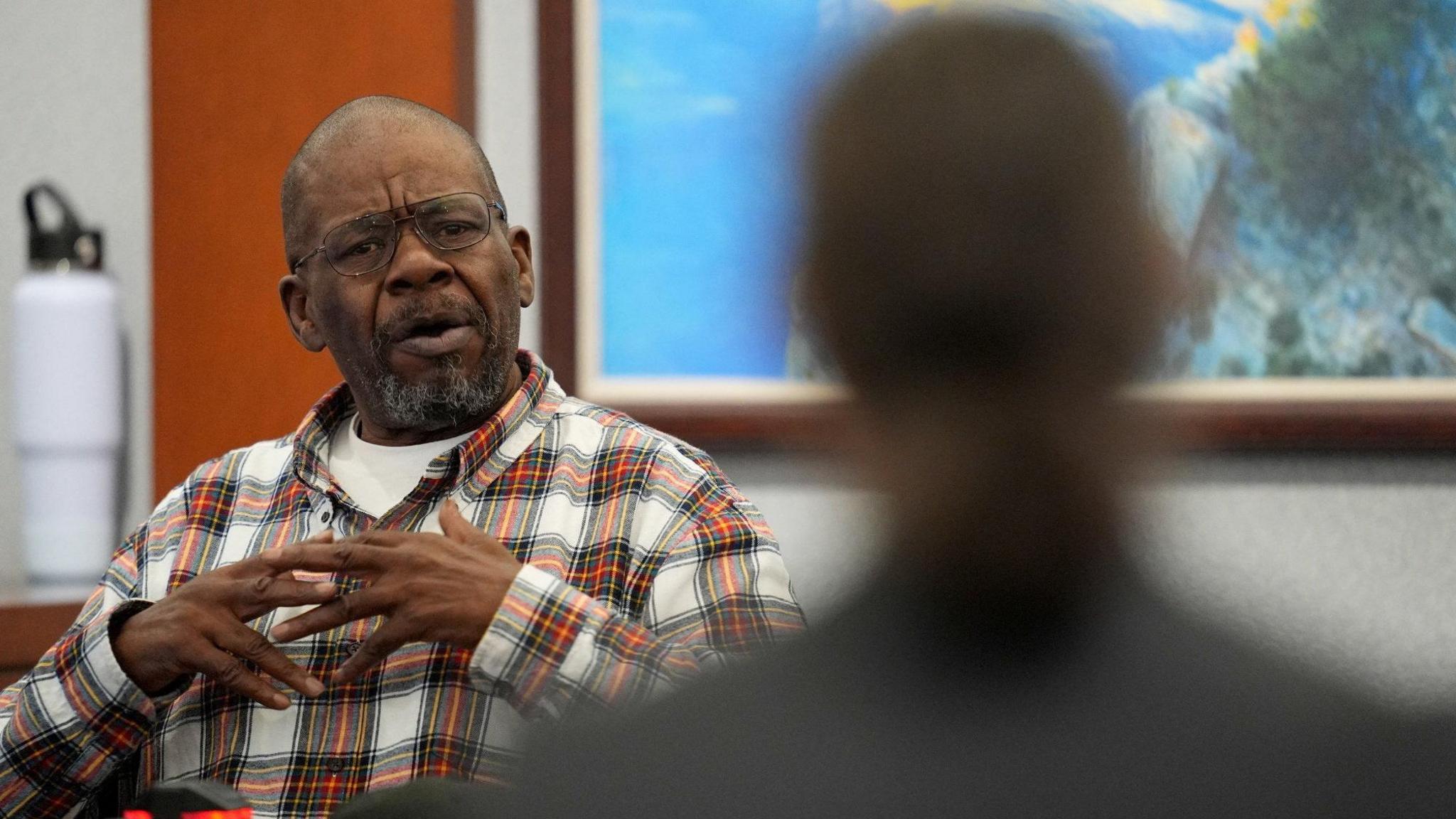
The second day of the long‑awaited trial to prosecute Duane "Keffe D" Davis—who is accused of orchestrating the fatal shooting of rapper Tupac Shakur in Las Vegas on 7 September 1996—has seen a key witness raise alarms. James "Mob James" McDonald, a former gang member who has ties to both sides of the Los Angeles underworld, took an increasingly combative tone as he was cross‑examined by defense attorney Michael Sanft.
McDonald was repeatedly asked whether he could identify who was responsible for the death of Shakur. He replied that the respondents were "going to be hurt" and that he did not want to "send him to prison," a remark that rattled judges, jurors and the courtroom audience. Faced with a threat of contempt from the judge if he refused to testify, the witness expressed his concerns in a manner that prompted the defense to ask: "Would you want to give answers that could hurt him?"
The testimony comes at a time when the trial is not just about guilt or innocence; it is also about how the 1990s gang‑driven environment intersected with the burgeoning hip‑hop scene. In the immediate months following the shooting, the street code of the Compton and Los Angeles Crips, the police relationship that was widely seen as hostile after the Rodney King beating, and the ambivalence over cooperativity with law‑enforcement all played a role in shaping the impetus that led to that fatal night.
The prosecution maintains that Davis, a former leader of the South‑Side Compton Crips, plotted the attack after a nephew of his (Orlando Anderson) was involved in a fight with Shakur in Las Vegas earlier that evening. In the courtroom, prosecutors further argued that the shooting was a retaliation designed to counter the attack on Anderson, fitting the broader pattern of gang war that had erupted across Los Angeles.
The defense counters that the evidence points toward other individuals with potential motives, citing, for instance, Reggie Wright Jr., a former member of Shakur’s security detail who later became general manager of Death Row Records. Wright's role in the case is complicated by his past ties to both the record label and the local police.
In the weeks leading up to the trial, accusations of staged narratives and fictionalization surfaced when the accused himself admitted to co‑authoring a memoir that claimed to reveal the inside details of the night and how the fatal shots were fed from a vehicle. Davis has since recanted or clarified the details in the memoir, calling certain parts fictionalised for commercial reasons. That debate has drawn public scrutiny and raised the question of what role personal narrative can play in a courtroom setting.
The witness’s exchange illustrated the tangled web of loyalty, fear, and desire to maintain the street code that still profoundly influenced many former gang members, even decades after the original crime. The courtroom’s reaction to his remarks indicates how the cultural memory of the case is interwoven with the legal narrative.
For those watching from a broader perspective, the trial serves as a microcosm of America’s long‑standing struggle between criminal justice and cultural legacy. A key question—still unanswered—remains: who actually fired the shots that killed Tupac Shakur, and how will the court ultimately answer that question? The proceedings are poised to bring that resolution to an audience still looking at the case through the lenses of justice, cultural mourning and the continuing evolution of the music world.
For the latest updates, listeners can tune into the BBC podcast Fame Under Fire: The Tupac Murder Trial.