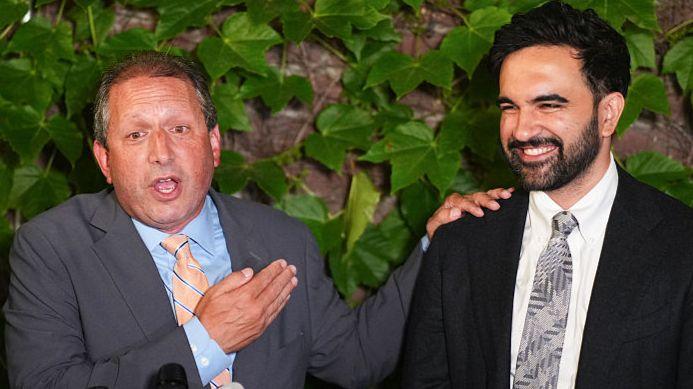
Jumping into the frigid waters of Coney Island in January for a pun on I'm freezing... your rent. Visiting food trucks to discuss how city permitting processes have led to Halalflation. Walking the length of Manhattan to show New Yorkers they deserve a mayor that they can see, they can hear, they can even yell at.
Those social media videos helped propel Zohran Mamdani and his left-wing policies to a surprise win in New York City's mayoral primary, and then to victory in the November election.
The democratic socialist, 34, engaged New Yorkers - particularly young voters who spend much of their time doom-scrolling – by using social media to build an image of someone who is authentic and joyful, experts noted.
Now that he has been sworn in as mayor, his next challenge will be keeping those supporters engaged and maintaining the momentum in office.
About three-quarters of New York City voters under the age of 30 voted for Mamdani, according to an Associated Press voter poll.
Mamdani's robust social media strategy engaged these voters by delivering an image of a political candidate that young people - frustrated with older, more established candidates - craved, stated Jane Hall, a communications professor at American University.
A candidate does not have to be young to connect with young voters, Hall commented, but one must be seen as authentic and articulate concerns in a manner that resonates.
Jack Bratich, a journalism professor, indicated Mamdani has a knack for mixing lightheartedness with serious topics, contrasting sharply with some negativity prevalent in Trump's social media approach.
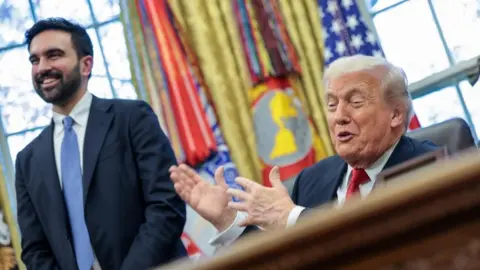
Despite an unexpectedly friendly first meeting in November between Mamdani and Trump, tensions escalated during the mayoral race, with Trump labeling Mamdani a lunatic and belittling his policies. However, Mamdani's assertive victory speech showcased his determination to face challenges gubernatorially.
To remain successful, Mamdani will need to convert his social media followers into active grassroots participants, a task that may prove more challenging than campaign mobilization as constituents learn to navigate local governance. How he addresses these realities while keeping the excitement of youth engaged will be critical for his tenure.
Mamdani's social media communications will thus be crucial in mitigating risks associated with unrealistic expectations. With over 100,000 volunteers initially stirred to action, he must now manage their engagement levels through transparent communication and meaningful political action.
A new advocacy group, Our Time for an Affordable NYC, has been established to combine volunteer efforts with fundraising for Mamdani's agenda, demonstrating that grassroots momentum continues post-election.