In brief
Umm Al Emarat Park in Abu Dhabi is rolling out a comprehensive schedule of cultural programs that spotlight Emirati heritage while incorporating international festivals. The park’s design marries Islamic garden motifs with contemporary architecture and features interactive exhibits, falconry displays, Ramadan‑themed activities, and forthcoming art showcases including a Guggenheim Abu Dhabi showcase and a children’s biennale. These events aim to educate visitors and strengthen national identity through a mix of tradition and modernity.
Umm Al Emarat Park in Abu Dhabi will host a series of cultural and community events this fall that celebrate Emirati heritage while welcoming international influences. The park, a long‑standing fixture of the capital’s cultural scene, says the new calendar is a continuation of its mission to protect the environment, preserve heritage and strengthen ties between people and nature.
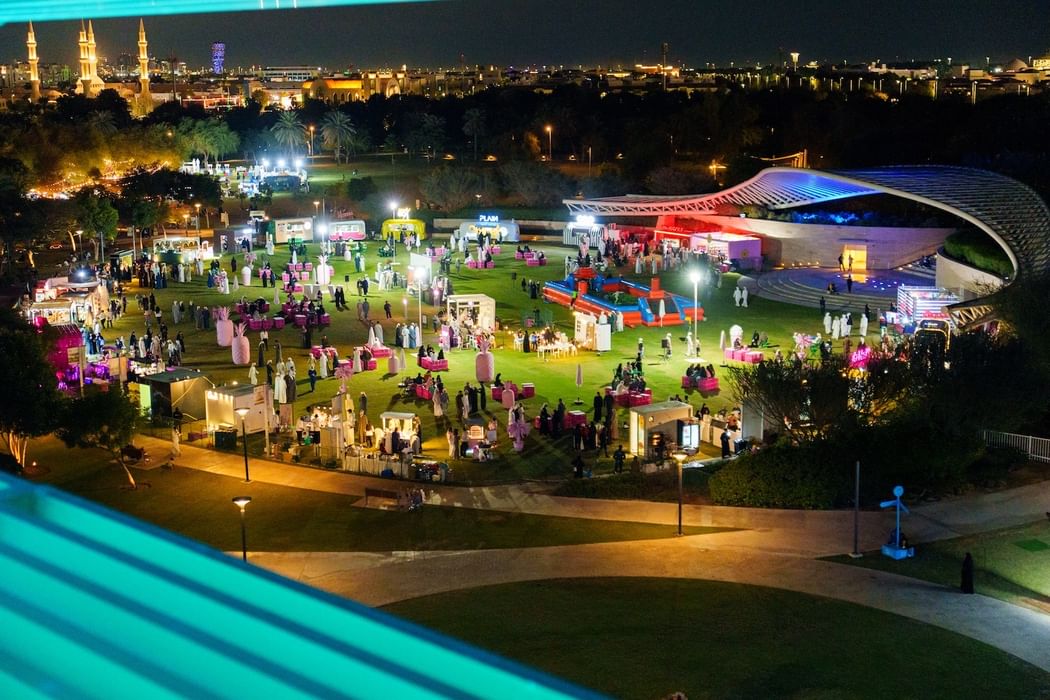
Area design has long been meant to echo traditional Islamic gardens, with landscaped green spaces, shaded walkways, water features and geometric patterns. The park points out that this design aesthetic is being paired with contemporary architecture to create a setting that feels both familiar and forward‑looking.
On a practical level, the park’s 2026 program includes interactive experiences that mix education and recreation. Visitors will encounter live falconry demonstrations—a testament to one of the kingdom’s most enduring cultural practices—alongside a range of exhibitions showcasing Emirati and global arts. The park has emphasised that these activities are meant to provide “learning through entertainment” for visitors of all ages.
The firm behind the park says it aims to introduce younger generations to Emirati traditions and to celebrate national occasions. In line with that, programs are planned around the national holidays of Eid Al Etihad and Emirati Women’s Day. The park will highlight contributions of Emirati women to national development and showcase the sense of belonging that underpins national identity.
During the holy month of Ramadan the park’s programming includes activities inspired by the month’s traditions and local customs. Those on the park’s website state that the religious significance of the month is being reflected in a special evening program that showcases traditional food, music and community reflection.
Earlier in the year, the park hosted the “Milsna” initiative in partnership with the Supreme Council for Motherhood and Childhood. The studio‑produced visit, which took place in January, introduced guests to aspects of traditional Emirati life, offering a window into everyday cultural practices.
The tripling of the park’s event slate comes with a plan to bring in international art. From 30 October to 1 November 2026, visitors will be able to explore the temporary Guggenheim Abu Dhabi program. The event, organised by the Abu Dhabi Festival, says it will provide a platform for contemporary art while integrating the park’s natural surroundings.
In addition, the park’s forward‑looking schedule includes the Middle East’s first outdoor children’s biennale presented by the Abu Dhabi Festival. The biennale, set to run from 6 November to 6 December 2026, promises a nature‑based setting for imaginative and interactive art pieces designed specifically for children.
Another notable international element of the cultural calendar is the Korean Festival, which will feature live performances and cultural workshops. The park says the festival is part of a broader effort to showcase the capital’s openness to cultural diversity while still maintaining a strong national identity.
According to the park’s communications, future artistic displays include works by the Christo and Jeanne‑Claude Award. The proposed installations will further cement the park’s image as a versatile cultural venue where heritage and contemporary art coexist.
The overarching narrative promoted by Umm Al Emarat Park is one of confluence: the blending of traditional Emirati values with global perspectives, amid an agenda of environmental stewardship, community inclusion and cultural celebration.