Alberta Proposes New Limits on Medically Assisted Dying
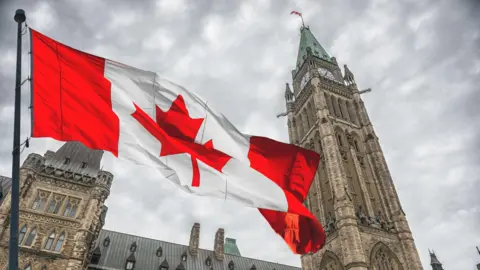
Alberta has proposed a bill that seeks to limit medically assisted dying, also known as voluntary euthanasia, to strictly end-of-life circumstances. The move marks Alberta as the first jurisdiction in Canada to independently pursue such limitations.
Previously, in 2021, Canada expanded access to medically assisted dying, referred to as MAID, to individuals suffering from serious, incurable illnesses, regardless of whether death was reasonably foreseeable. This federal policy is due for further expansion to include those whose only medical condition is mental illness, although this has faced multiple delays.
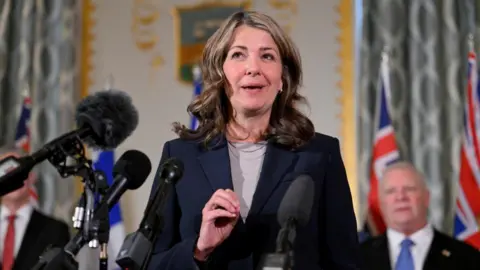
Premier Danielle Smith articulated that the proposed legislation is designed to fortify safeguards and delineate clear limits on eligibility. Maid should only be an option for those with no hope of recovery, she said during a recent news conference. Her assertion reflects concerns about vulnerable Albertans facing mental health issues or disabilities.
The proposed bill aims to prohibit physicians from initiating discussions about MAID with patients and restrict its promotion in healthcare settings. It also seeks to provide conscience protections for healthcare providers who may have moral objections to the practice.
While surveys indicate significant public support for medically assisted dying in Canada, the proposal has sparked a broader debate regarding the adequacy of safeguards in place. Since Canada first legalized euthanasia in 2016 for terminal illnesses, the eligibility landscape has evolved significantly amidst concerns about patient autonomy and the ethical implications of expanding these laws.
Moira Wilson, from Inclusion Canada, welcomed the legislation, suggesting that it reflects a commitment to better protect individuals whose lives are not approaching an end. In contrast, advocates for expanded access, like Helen Long from Dying with Dignity Canada, criticized the bill as a hindrance to personal choice for those experiencing suffering.
Alberta's proposed legislation highlights the ongoing tension between the rights of individuals to seek assisted dying and societal responsibilities to protect vulnerable populations, particularly amidst growing conversations around mental health and disability rights.