Civilians in Myanmar Face Escalating Violence Amid Upcoming Elections
In Myanmar's western Chin State, the military junta's air strikes have intensified in the lead-up to upcoming elections, prompting an exodus of civilians who fear for their safety and the repercussions of being forced to vote.
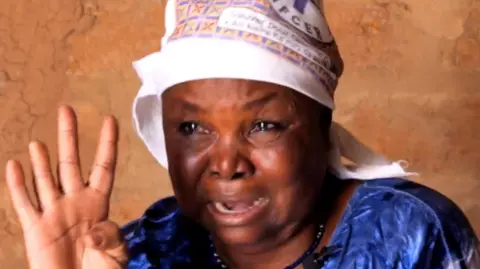
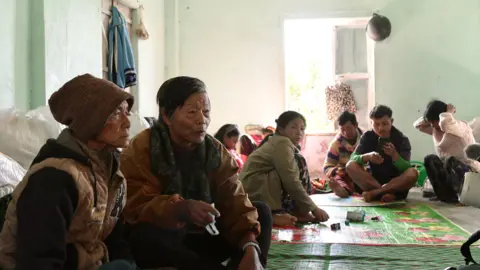
One such civilian, Iang Za Kim, recounted the harrowing night of November 26 when she heard explosions and saw smoke rising from a nearby village. The fear of impending bombing drove her and others into the jungle, leaving their homes behind.
We were terrified. We thought the junta's planes would bomb us too...we ran into the jungles surrounding our village, Iang detailed with visible trauma as she spoke of fleeing to avoid both violence and the pressure to vote in a government orchestrated election.
As clashes escalate, and the junta prepares for elections on December 28, many residents like Iang are hiding in makeshift shelters across the border in India's Mizoram state, where local villagers offer them refuge and supplies.
The Chin State's military offensive, regarded as the fiercest in over three years, has resulted in numerous casualties, including attacks on civilians seeking safety. Community leaders and residents assert that the junta's actions aim to reassert control rather than honor democratic principles.
While the military claims the elections are a step toward restoring order, many, including displaced individuals and former combatants, express doubts regarding the legitimacy of the electoral process amid ongoing oppression. The National League for Democracy, led by Aung San Suu Kyi, will not participate; its leaders remain detained.
This election is only being held to prolong military dictatorship...we don't want the election, declared Ral Uk Thang, an elder who has lived through repeated displacements since the coup.
As military offensives continue, many young fighters also bear the burden of conflict, facing severe injuries in battle while expressing a commitment to the fight against the junta.
The international community is faced with a complex situation, as calls to recognize the legitimacy of elections stand in stark contrast to the lived experiences of those directly affected by the brutal tactics of the junta.