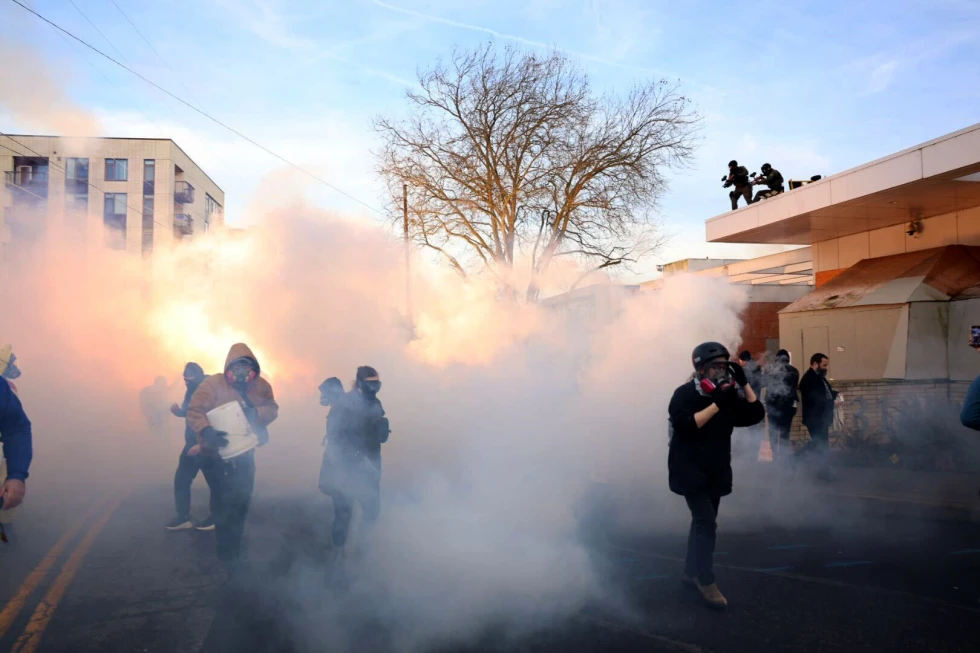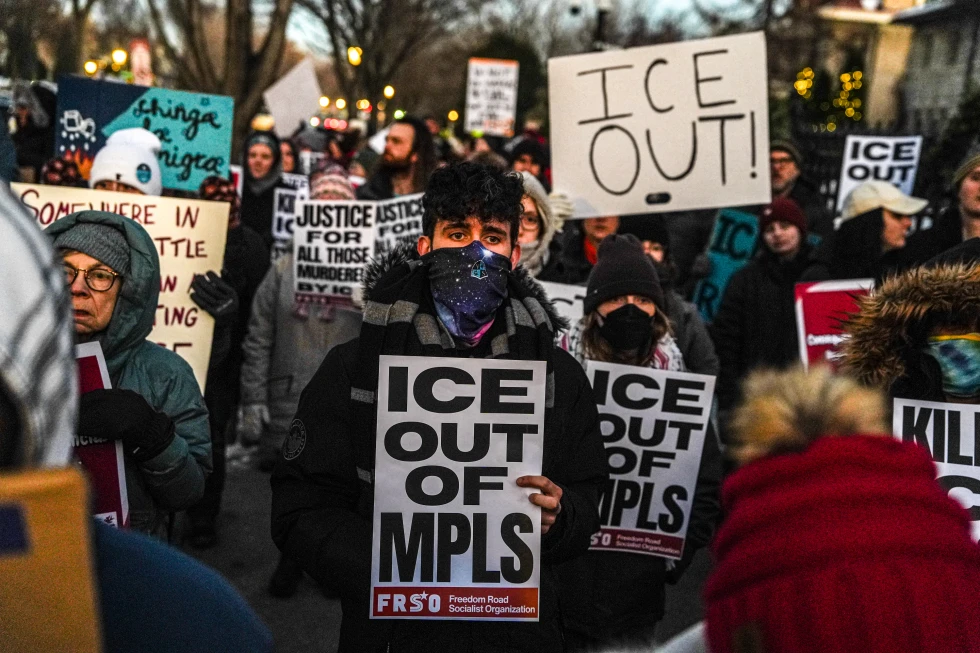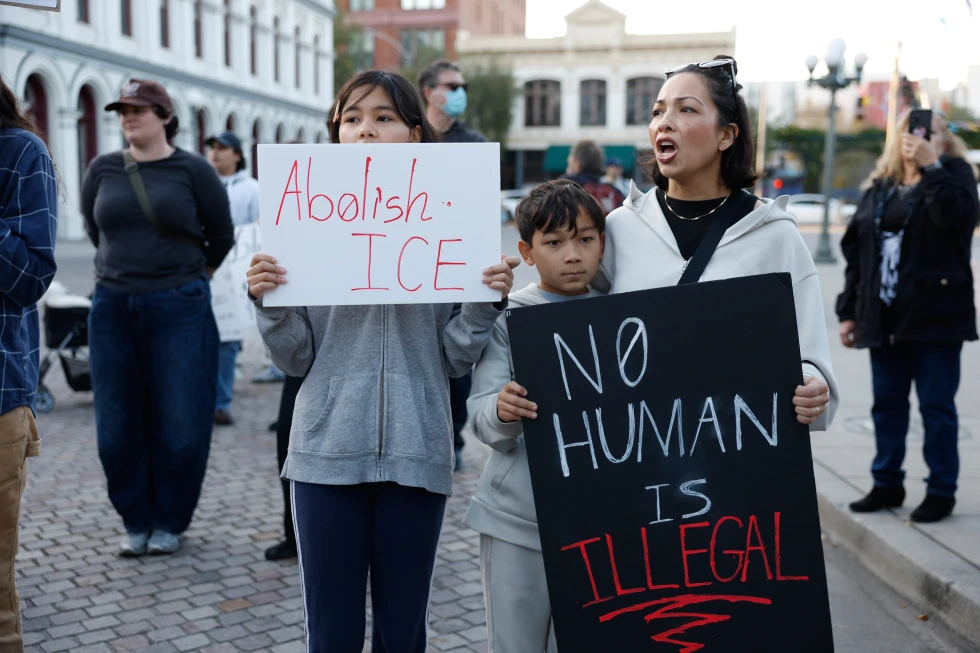
On Saturday morning, videos surfaced showing a Border Patrol agent fatally shooting Minneapolis protester Alex Pretti during a confrontation at an immigration enforcement operation. Democratic leaders in Minnesota criticized the federal agents' actions as excessive and indicative of a lack of proper training, while representatives of the Trump administration argue that Pretti instigated the violence, claiming he was armed and had attempted to resist arrest.
The incident represents the second fatal encounter involving federal immigration authorities in Minneapolis this month, following an earlier shooting on January 7, which similarly incited political division. Minneapolis Mayor Jacob Frey described the scene as troubling, recounting that he witnessed agents aggressing towards Pretti.
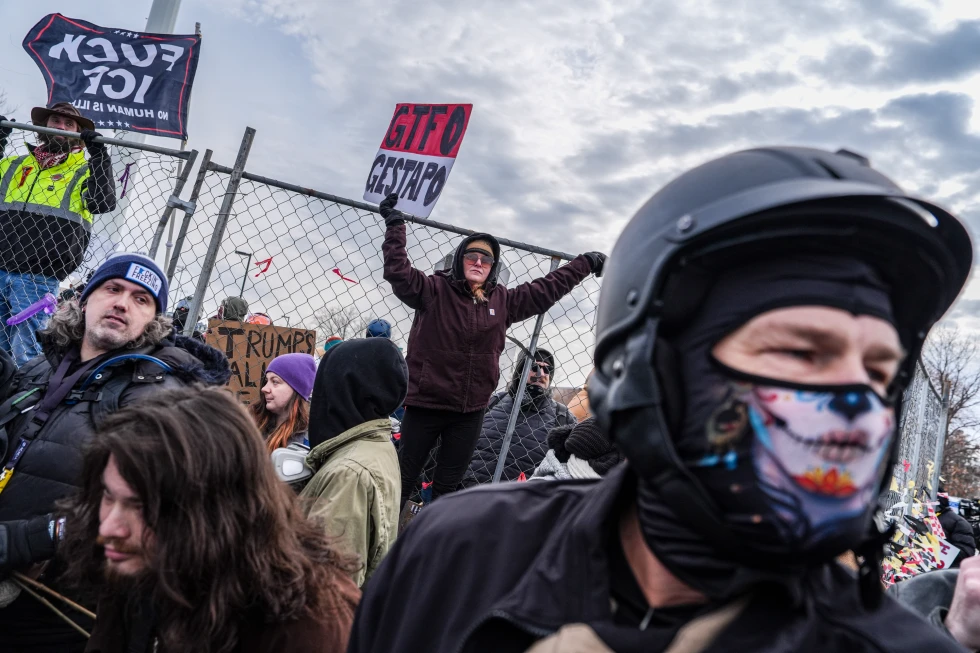
Witness accounts indicate that Pretti was among a number of protesters who aimed to disrupt the federal operation targeting individuals lingering in the country illegally. Reports suggest that officers, armed with pepper spray and other equipment, faced a vocal opposition from demonstrators, including Pretti, who were shouting and using whistles to distract them.
As the confrontation escalated, videos depict a scuffle where Pretti, engaged with federal agents, was shot following a series of movements involving physical interaction with the officers. The Department of Homeland Security claimed that shots were fired in self-defense as Pretti allegedly brandished a handgun and resisted efforts to disarm him, a perspective that Governor Tim Walz found deeply concerning after viewing the footage.
Amidst this turmoil, Minnesota officials are calling for oversight and careful scrutiny of federal immigration enforcement practices, particularly as tensions rise in immigrant communities. The contrasting narratives from local leaders and federal officials point to a larger debate about the tactics used in immigration enforcement and the repercussions of violence in such operations.
With President Trump also weighing in publicly, further complicating the situation, the issue continues to draw national attention and raises questions about the safety and strategies employed by federal law enforcement in local jurisdictions.