In brief
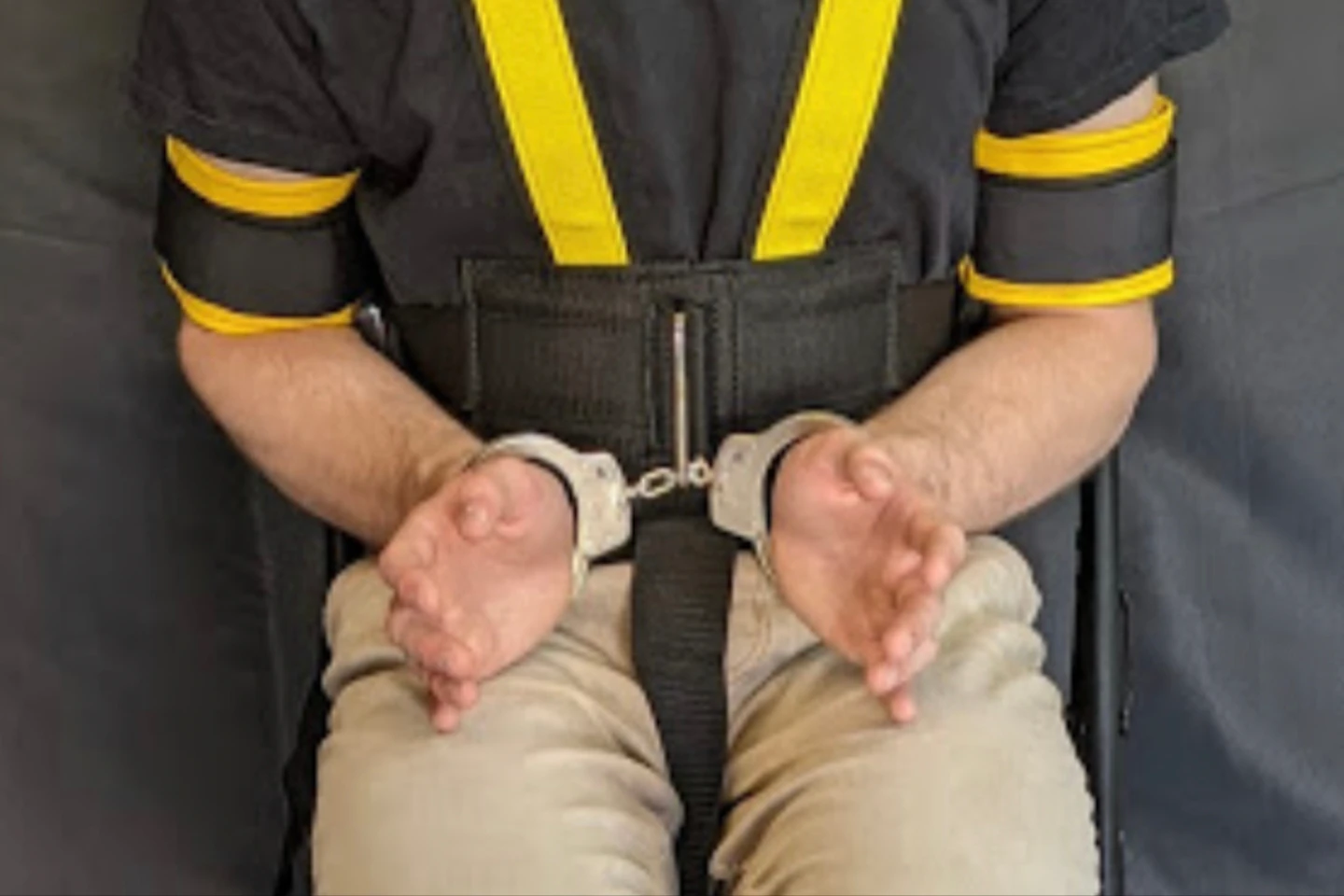
The use of the WRAP, a full-body restraint device by U.S. Immigration and Customs Enforcement (ICE), has become a focal point for civil rights advocates amid allegations of inhumane treatment of deportees. Detainees describe terrifying experiences while restrained for hours on deportation flights. Several lawsuits challenge the appropriateness of using such restraints, especially amid concerns about safety and torture. Reports indicate that ICE has a lower threshold for deploying these restraints than is recommended, leading to significant physical and psychological harm to individuals already in custody.
A Nigerian man recounted a harrowing experience during his deportation by U.S. Immigration and Customs Enforcement (ICE), where he and others were shackled and placed into full-body restraint devices known as WRAP before being flown to Ghana, a country they had no ties to. Such accounts raise stark questions about the treatment of detainees under U.S. immigration policy.
The WRAP, described by some as a 'burrito' or 'the bag,' has become emblematic of the trauma inflicted on individuals during deportation. Despite a chilling classification by the detainees themselves as akin to kidnapping, ICE maintains that the use of restraints is essential for safety and control during flights. Yet, a significant number of lawsuits are currently in motion distinguishing the use of these restraints as torture.
Reports from detainees reveal that the devices have been deployed excessively and often without justification, leading to unnecessary stress and physical harm, including swelling and psychological distress. Advocates argue that ICE's practices deviated significantly from humane treatment, transforming deportation into an ordeal of both physical confinement and emotional distress.
Whistleblower accounts and extensive litigation highlight serious concerns regarding the scrapping of operational guidelines on the use of restraints. ICE's stated justification for the WRAP's deployment is unconvincing to many human rights advocates, particularly in light of recommendations from internal audits emphasizing greater restrictions on its use due to past malpractices.
In summary, the legal ramifications of the WRAP's use during deportation underscore an urgent need for comprehensive policy reform within immigration enforcement. As the national debate around immigration continues, this issue of restraint practices brings to the forefront conversations about human rights, the ethics of law enforcement practices, and the ongoing implications of immigration policy.
}