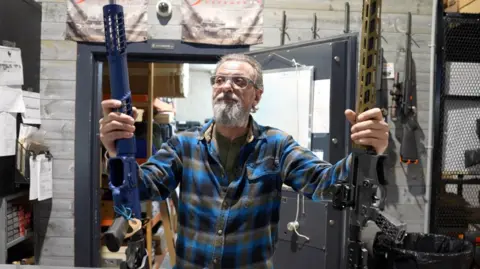
A pro-gun politician said the laws unfairly target law-abiding gun owners while civil libertarians said restrictions on protests were an affront to democracy.
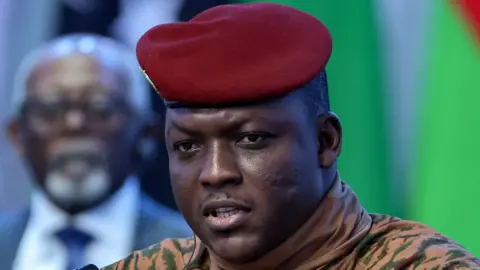
On banning the intifada phrase, Minns said its use at protests in Australia and around the world are a call to a global intifada. That is what it means. Not in the Middle East, not in Israel or Gaza but here in Sydney.
He argued that such language fosters division and invites violence.
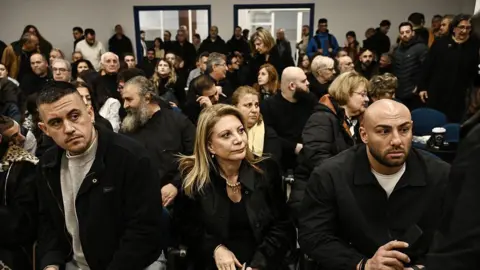
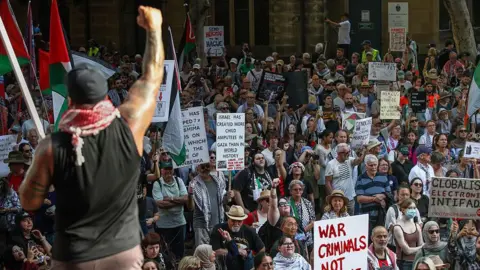
Amid the uproar, the Bondi attacks reignited debates surrounding antisemitism and security for minority communities. Critics, including Timothy Roberts from the NSW Council for Civil Liberties, contend that these new legislative measures infringe upon democratic rights and suppress legitimate protest.
Gun reform included restrictions limiting licensed individuals to four firearms unless they're farmers or sport shooters. Enhanced licensing regulations and a review of firearm types also accompany these changes.
While supporters of the reforms argue they aim to bolster community safety, detractors see these moves as punitive measures against the innocent, overshadowing deeper societal issues linked to the recent violence.
As tensions rise within public discourse, forthcoming debates will likely scrutinize the balance between community safety and upholding civil liberties in Australia.