US forces are currently engaged in a tumultuous search operation following the reported downing of a F-15 fighter jet over Iran. Early reports indicate the pilot has been rescued; however, a second crew member remains missing, prompting ongoing and intense search efforts deep within Iranian territory.
Combat search and rescue (CSAR) missions, such as these, represent some of the most intricate and urgent operations that the US and its allies conduct. Military experts describe them as being defined by their time-sensitive nature and often being conducted in hostile environments where enemy forces may attempt to locate the same personnel the CSAR teams are trying to rescue.
In recent statements, Iranian officials have responded with calls for local support, incentivizing citizens to assist in locating the missing US crew member and offering rewards for their capture. Analysts underscore the strategic implications of such situations in terms of international power dynamics and negotiation leverage.
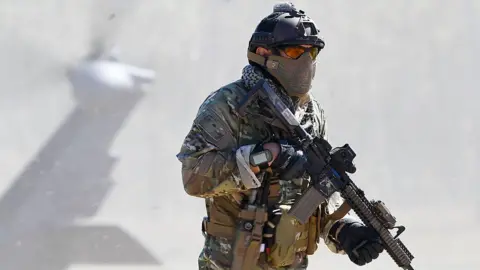
These rescue missions are typically carried out by elite pararescue jumpers of the US Air Force, who are trained extensively in combat and medical skills and are strategically positioned near conflict zones to facilitate rapid response. The operations involve coordinated efforts from multiple military assets, including helicopters and surveillance aircraft, and incorporate protocols designed to ensure the safety of both the rescuers and the personnel in need.
As videos reportedly showcasing the operation from Iran surface, the continued unfolding of this rescue highlights not only the risks associated with military aviation but also the profound challenges faced during combat missions.