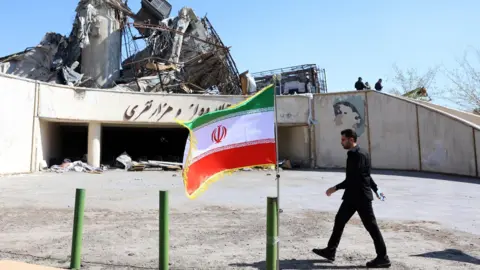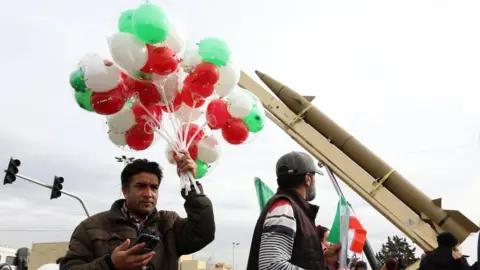
When clocks struck nine across Tehran on Tuesday, the night skies filled with sound in celebration of the 47th year of the Iranian revolution. Fireworks lit up the sky as chants of 'God is greatest' filled the air. However, amidst the explosions of light, voices calling 'death to the dictator' emerged from the darkness, reflecting the discontent that has taken a dramatic turn in recent months.
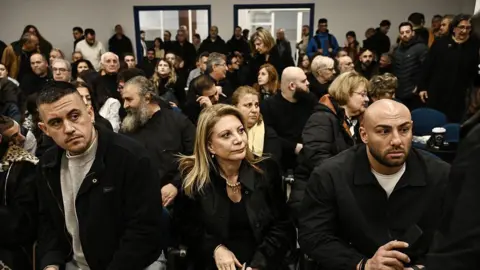
This year's anniversary comes on the heels of widespread protests, met with severe repression that resulted in unprecedented casualties. Viewing Tehran from a hotel balcony, it was evident that this festive atmosphere was juxtaposed against pervasive fear and anger following last month's protests against soaring prices and government inaction.
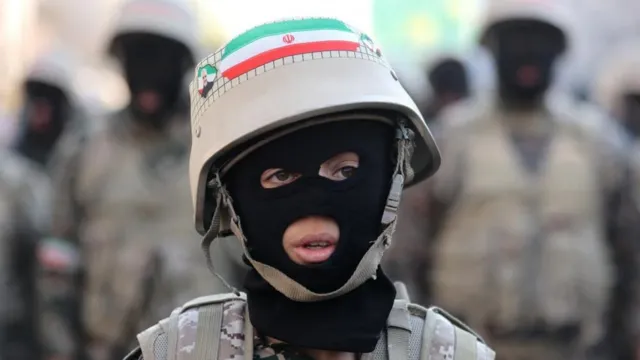
The contrast was further exacerbated as masses filled the streets, motivated either by loyalty to the government or genuine fear—a stark reminder of the ongoing internal struggles facing the Iranian state. The authorities, amid the celebrations, sought to project strength while addressing citizens' frustrations about deteriorating economic conditions and public disillusionment.
At the heart of the festivities, President Masoud Pezeshkian spoke in Azadi Square, addressing the crowd and blaming external forces for the unrest while also apologizing for governmental failures that led to the current crisis.
Despite festive decorations and the fervor displayed by some supporters, the prevailing sentiment remains one of distress, with many citizens urging leaders to listen to grievances. The Islamic Republic finds itself at a critical juncture with domestic dissatisfaction and foreign pressures colliding, presenting it with challenges that could reshape its future.
This year's anniversary comes on the heels of widespread protests, met with severe repression that resulted in unprecedented casualties. Viewing Tehran from a hotel balcony, it was evident that this festive atmosphere was juxtaposed against pervasive fear and anger following last month's protests against soaring prices and government inaction.
The contrast was further exacerbated as masses filled the streets, motivated either by loyalty to the government or genuine fear—a stark reminder of the ongoing internal struggles facing the Iranian state. The authorities, amid the celebrations, sought to project strength while addressing citizens' frustrations about deteriorating economic conditions and public disillusionment.
At the heart of the festivities, President Masoud Pezeshkian spoke in Azadi Square, addressing the crowd and blaming external forces for the unrest while also apologizing for governmental failures that led to the current crisis.
Despite festive decorations and the fervor displayed by some supporters, the prevailing sentiment remains one of distress, with many citizens urging leaders to listen to grievances. The Islamic Republic finds itself at a critical juncture with domestic dissatisfaction and foreign pressures colliding, presenting it with challenges that could reshape its future.