The government of Ecuador has condemned what it described as an attempt by a US federal immigration agent to enter the Ecuadorean consulate in Minneapolis.
The agent was prevented from gaining access by consular officials, who acted to guarantee the protection of the Ecuadoreans who were inside the consulate at the time, a statement by Ecuador's foreign ministry said.
Ecuador, whose president is an ally of Trump, has filed an official complaint.
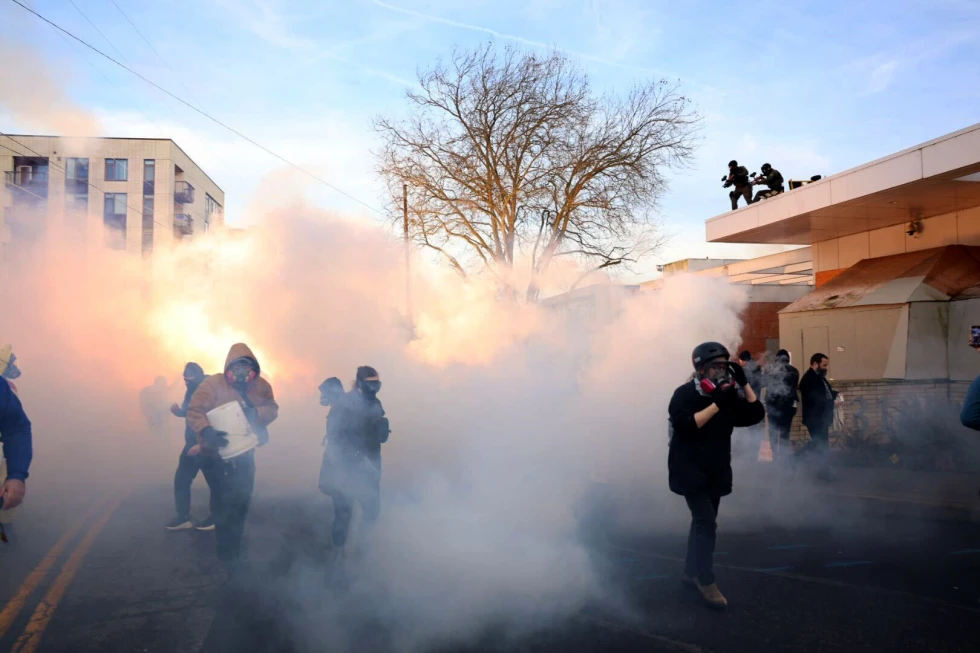
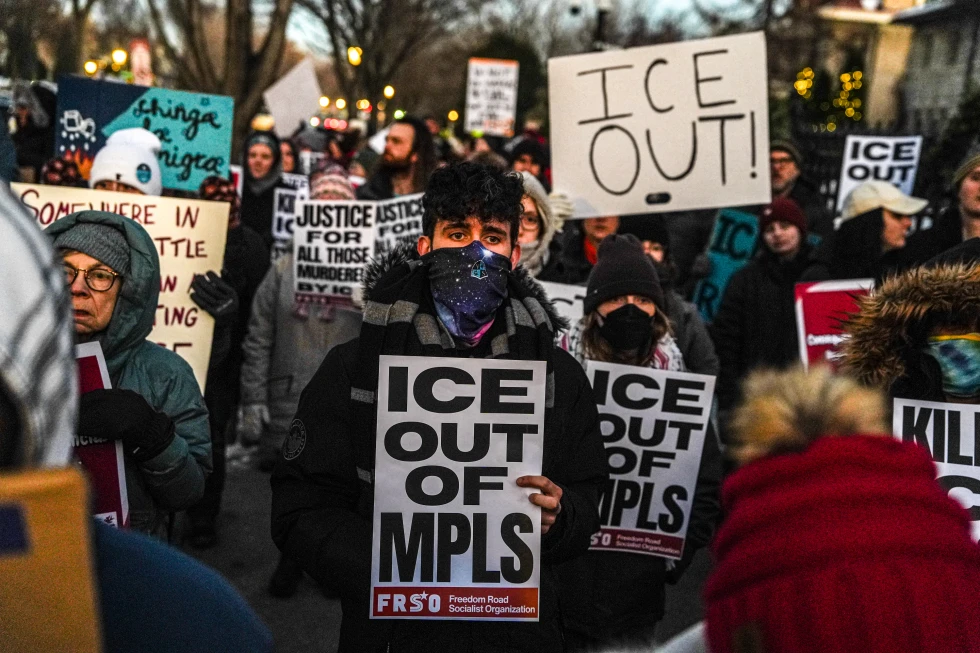
The incident comes at a time of high tension in the US city, just days after intensive care nurse Alex Pretti was shot dead by border agents during protests against the Trump administration's immigration crackdown in Minneapolis.
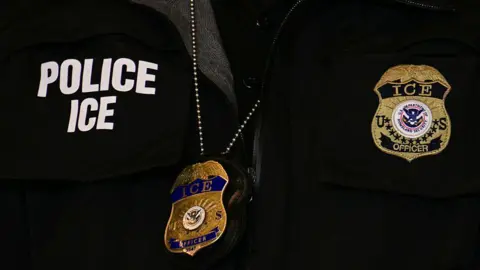
Ecuador's foreign ministry stated that an agent of the US Immigration and Customs Enforcement agency (ICE) had tried to enter the premises of the consulate at 11:00 local time on Tuesday.
Under the 1963 Vienna Convention on Consular Relations, consular premises are considered inviolable. According to the Convention, the authorities of the country where the consulate is located shall not enter the parts of the consulate used for work except with the consent of the head of the consular post.
Ecuador stated that its officials had not consented to ICE entering the consulate. While the Vienna Convention goes on to say that consent may be assumed in certain cases, they are limited to incidents where prompt protective action is required.
In a video shared by Ecuadorean media, a consular official can be seen rushing to the entrance door and telling an ICE agent, this is the consulate, you’re not allowed in here. The agent responds by threatening the consular official.
Ecuador's foreign ministry said that it had immediately handed an official letter of protest to the US embassy in Quito. This protest letter marks a rare point of discord between Ecuadorean President Daniel Noboa and the Trump administration. Reports indicate that just over two months prior, the presidents had agreed to bolster their countries' commercial and economic ties.
This incident highlights the complexities surrounding immigration enforcement in the U.S. and its implications for international relations, especially in light of the recent controversies around the actions of immigration and border agents in the region.