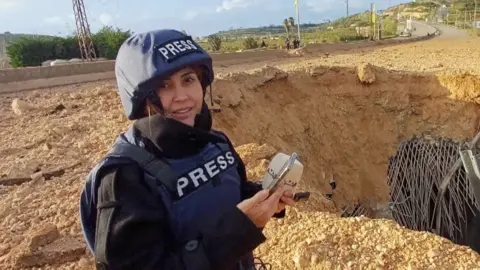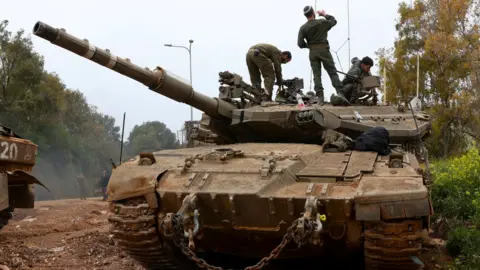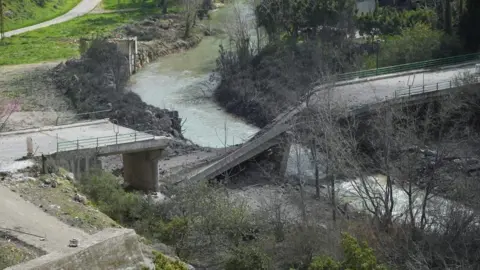
Israeli air strikes have destroyed two bridges over the Litani River linking southern Lebanon with the rest of the country, according to military sources. This escalation follows claims by the Israeli military that they would target crossings allegedly used by the Hezbollah group for military purposes.
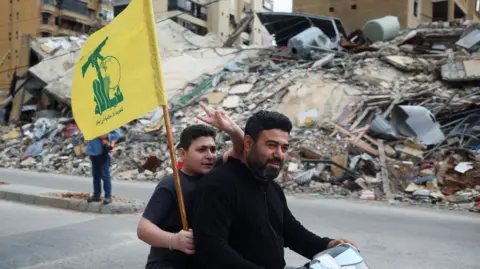
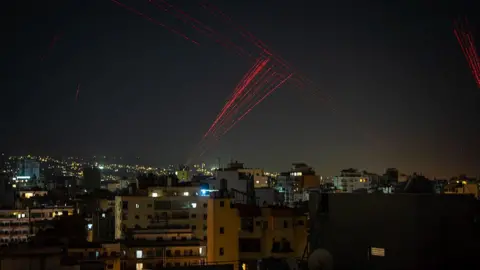
In addition to the bridge strikes, the Israeli military has carried out multiple attacks in Beirut, resulting in at least 12 deaths and 27 injuries thus far. The Lebanese health ministry reports a staggering total of 968 deaths, including 111 children, since the conflict reignited in early March.
Lebanon has increasingly found itself entangled in a wider regional conflict, fueled by U.S.-Israeli hostilities against Iranian-backed groups. Israeli Defense Minister Israel Katz asserted that these destructive actions are a direct attempt to hinder Hezbollah’s utilization of Lebanese infrastructure for terrorist activities. Despite the evident rise in civilian casualties, Hezbollah has not issued a public response to recent Israeli strikes.
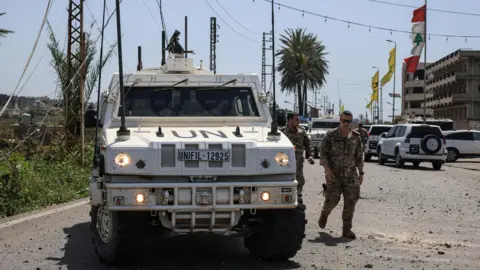
Meanwhile, the United Nations Security Council's Resolution 1701, intended to restrict armed groups from operating south of the Litani, appears to be undermined, as Hezbollah’s presence in the region remains significant.
The conflict has resulted in a severe humanitarian crisis, as over a million people in Lebanon have reportedly been displaced, particularly in southern regions most affected by the assaults. Israeli airstrikes continue to extend beyond military targets, raising concerns for the civilian population.
As airstrikes roll into the heart of Beirut, the situation remains volatile and precarious, with both civilian and military casualties on the rise.