Ceasefire Agreed Between Lebanon and Israel: What You Need to Know
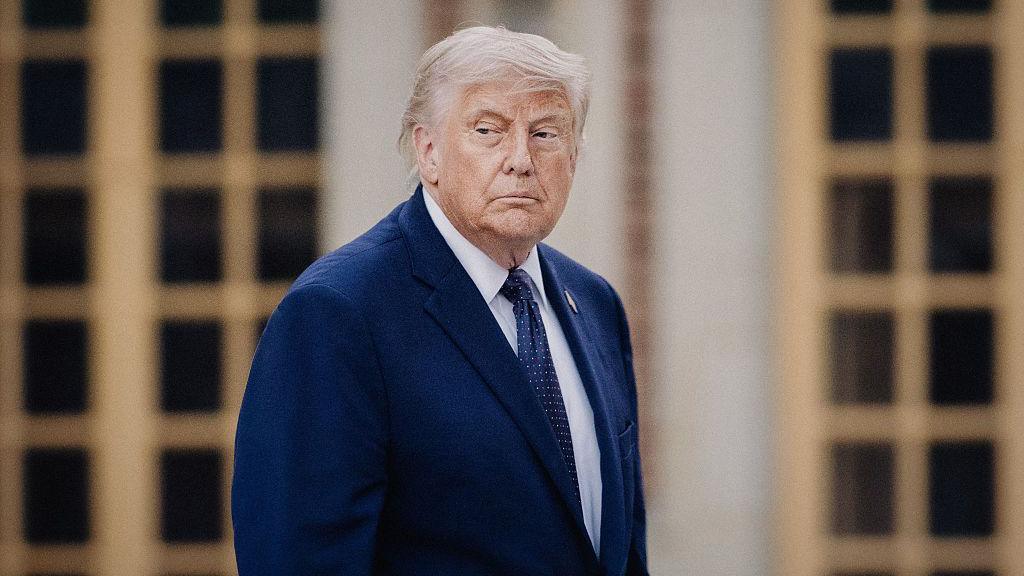
A significant development emerged on April 16, 2026, when US President Donald Trump announced that Israel and Lebanon had agreed to a ceasefire lasting ten days starting at midnight local time. Israeli Prime Minister Benjamin Netanyahu and Lebanese President Joseph Aoun both expressed optimism about the ceasefire, viewing it as an opportunity for a historic peace agreement.
Although Trump did not explicitly mention Hezbollah—a key player in the conflict— he later urged the group via social media to respect the ceasefire, hoping they would act amicably during this critical period.
Ceasefire Agreement Details
The ceasefire's terms specify it would be in effect for ten days, with a potential extension based on mutual consent if negotiations progress positively. The US State Department outlined critical stipulations:
- Israel retains its right to self-defense against imminent threats.
- Lebanon must take genuine measures to prevent Hezbollah from attacking Israeli targets.
- Lebanon’s security forces are solely responsible for maintaining internal security.
- Ongoing US facilitation of direct talks is encouraged for resolving remaining disputes.
This ceasefire has been termed a gesture of goodwill from Israel aimed at fostering good faith negotiations towards a long-term peace agreement.
Reactions from Stakeholders
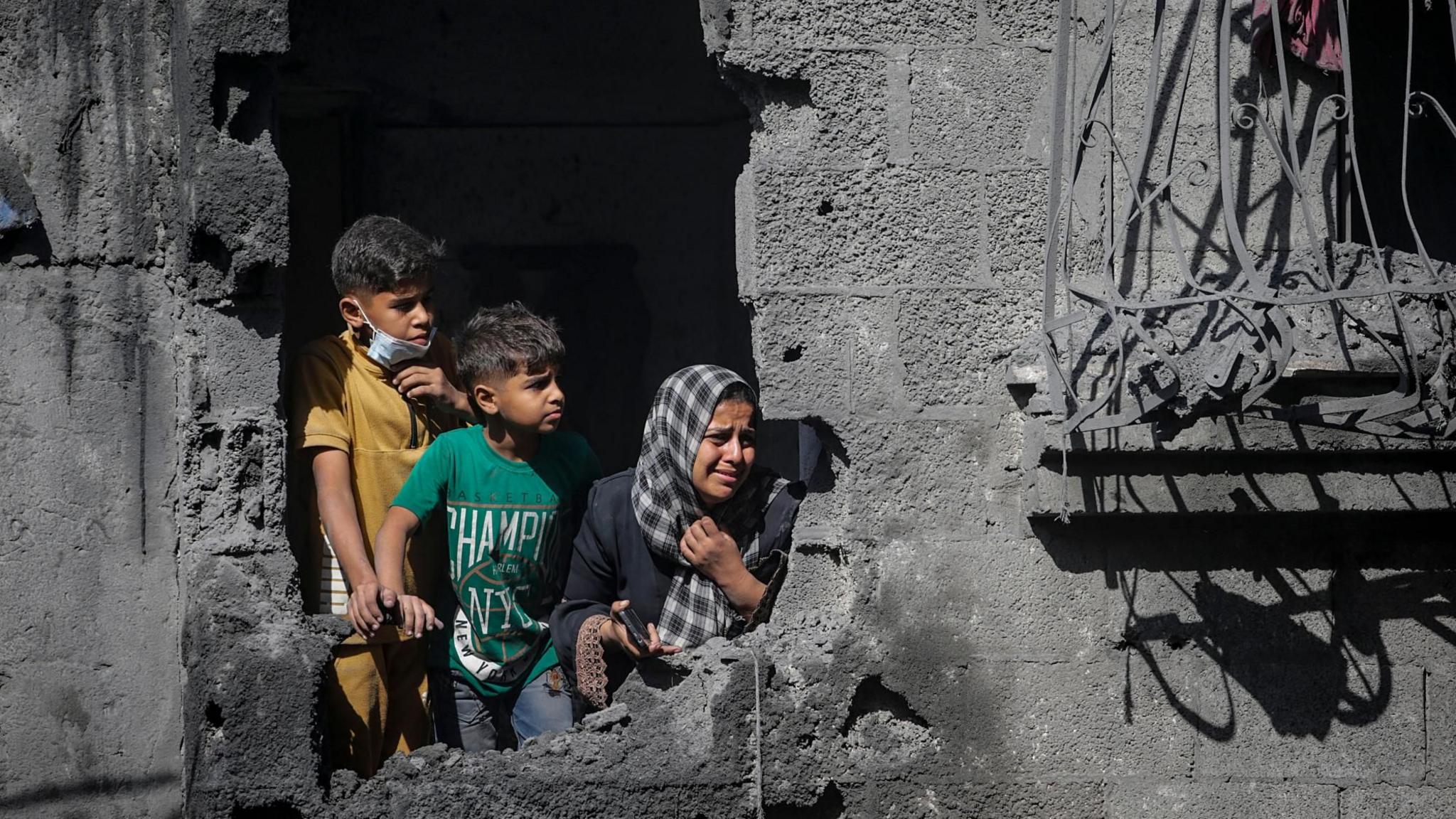
Both nation leaders welcomed the ceasefire. Lebanese Prime Minister Nawaf Salam expressed hope that the truce would allow displaced individuals to return home. Meanwhile, Hezbollah signalled its intention to observe the ceasefire, contingent upon ceasing all attacks, alongside granting no operational leeway for Israeli forces. Iran also endorsed the ceasefire, displaying solidarity with Lebanon, while various international leaders acknowledged the US's mediation role.
In light of the agreement, Netanyahu emphasized that Israeli troops would maintain a security zone in southern Lebanon, citing the need to block potential threats. This dynamic underlines the tense history and ongoing complexities in the region.
Future Implications
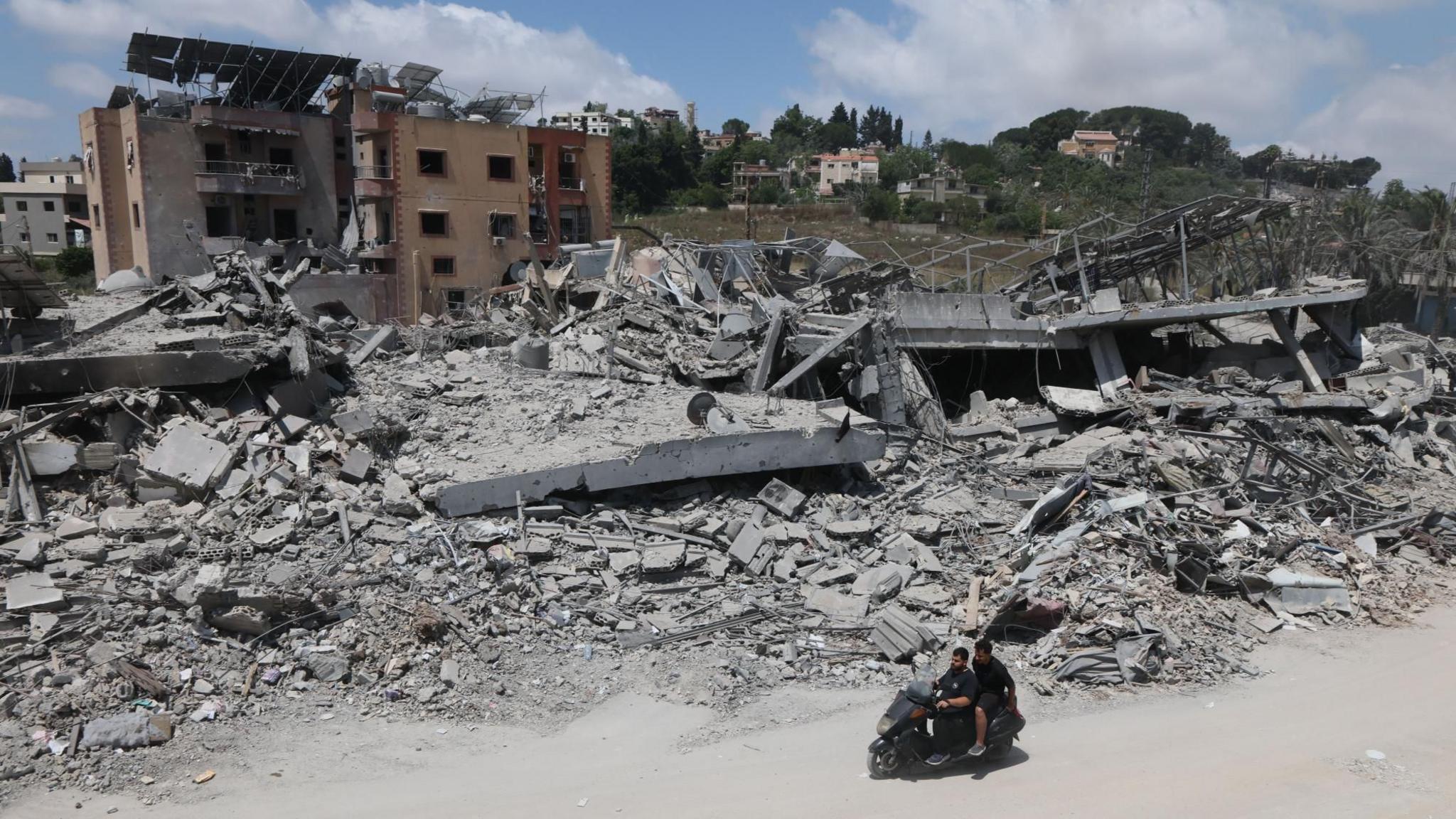
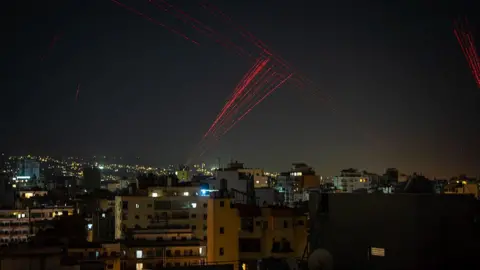
The ceasefire follows six weeks of clashes, leading to extensive casualties—over 2,100 deaths in Lebanon and additional casualties in Israel from Hezbollah attacks. As the ceasefire unfolds, the international community is watching closely, emphasizing the need for a strategic shift towards lasting peace amid complex geopolitical landscapes marked by historical grievances.