Hot June temperatures have slammed into Europe, with France reporting 40 drowning deaths linked to the current heatwave – more than before the crisis and a stark reminder of the dangers that extreme heat brings to everyday leisure activities.
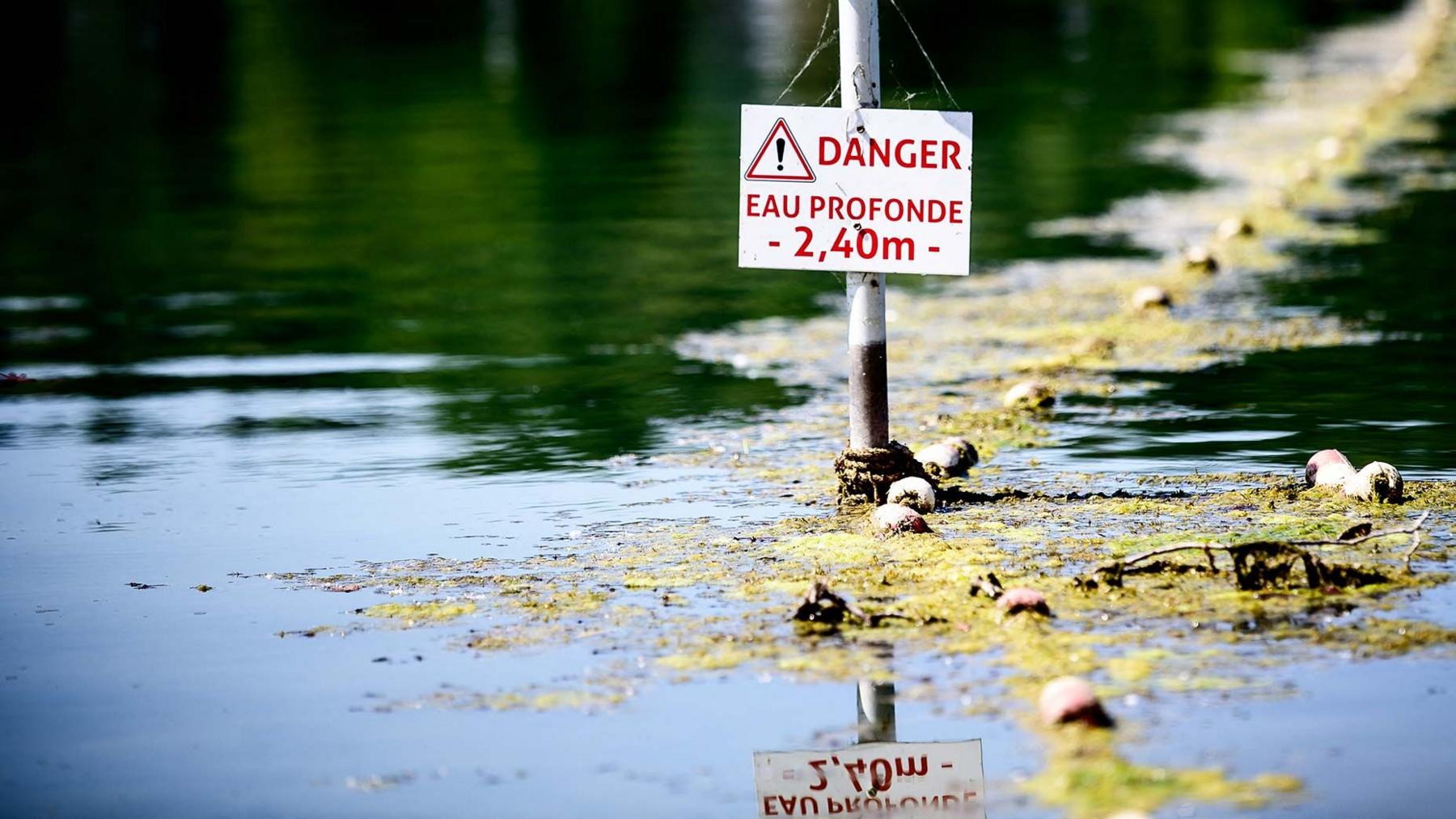
Sports minister Marina Ferrari urged people to be cautious when swimming in rivers and canals, warning that the cold and strong currents can catch even experienced swimmers off guard. In one fatal case a 13‑year‑old girl went into the River Seine, unable to survive the currents, while another incident involved a professional footballer rescued from the Rhône after a brief lapse in the water safety regulations.
France’s 2026 heat‑wave gave the country a record‑setting June day (average 29.8 °C) and a hot night (21.6 °C), and 54 out of its 96 departments were under red alert – the highest warning level. Significantly, the alert was later extended to 58 departments, calling for widespread use of home work, curtailment of travel, and a reduction in outdoor activities for the population.
Spain is also in the heat. Aemet forecasts temperatures above 40 °C in Andalusia, with some areas to hit 44 °C near Córdoba. The country’s heat alerts extend to the northern Basque Country and Cantabria, with the most dangerous threat heading to Limburg. In 2020, Aemet recorded ten heat‑wave events in mainland Spain, a number expected to climb sharply given the current conditions.
Italy’s government has activated emergency labour protections for workers exposed to the sun, allowing companies to use state‑backed furlough support if they cannot safely work during the hottest hours. The Italian Ministry of Health has sent a red alert to 15 major cities – including Rome, Milan, Florence , Turin and Venice – signaling health risks even for healthy adults.
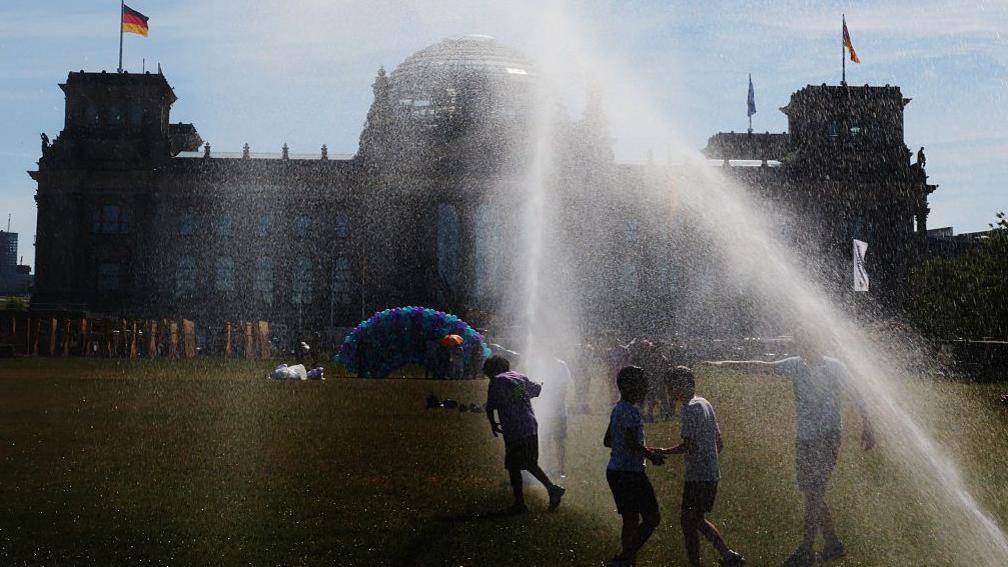
Germany is also feeling the heat, with rising temperatures isolated to 40 °C in the west and southwest by the end of the week. The German Lifesaving Association reports six fatal incidents, many involving men who over‑estimated their swimming abilities. Three bodies were found in the Rhine near Biblis, after three men were reported missing in separate areas of the river.
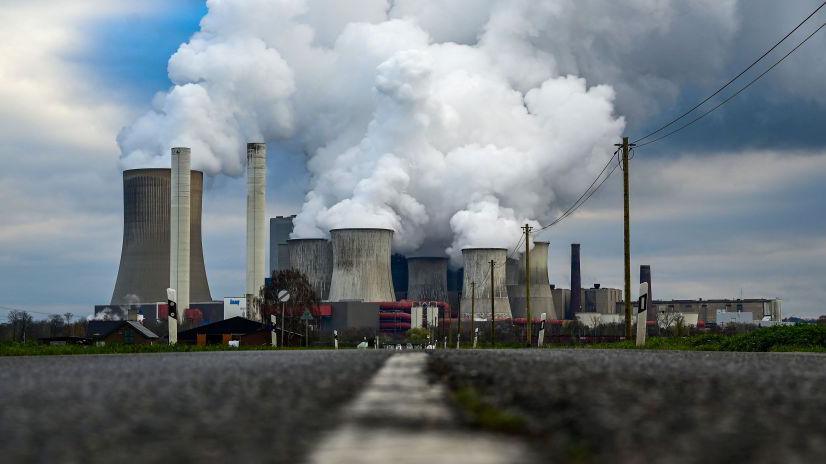
The heatwave forced a rare shutdown of the Golfech nuclear power plant in southwestern France due to rising river water temperatures. French law requires that cooling‑water temperatures do not exceed 28 °C, leading to the plant’s temporary closure.
Major tourist venues have adjusted to the heat; the Eiffel Tower closed early on its busiest day, and the Louvre cut opening times from 18:00 to 16:00 local time. These changes underline how extreme heat can cripple public infrastructure and alter daily life.
Across Europe, climate‑change‑driven warming has pushed temperatures higher, amplifying not only heatwaves but also the risk of wildfires, water shortages and increased heat‑stroke deaths. The 2025 European climate report highlighted that the continent is warming twice as fast as the global average, setting a new record of a million hectares burned across the region.
These developments serve as a cautionary reminder that public safety and infrastructure will need a rethink in the face of sustained, highly‑intensified heat, demanding policy measures that consider both immediate health risks and long‑term adaptation strategies.