Red heat alerts have been issued in France, Spain and Italy as temperatures are forecast to climb above 40͏C, leading to widespread disruption and a spike in deaths.
Half of France’s regions are now under the most severe warning. Météo-France reports 42͏C in Bordeaux and predicts Paris will reach 41͏C by Wednesday. 845 schools are closed and 1,800 are allowing pupils to finish early, while the national railway company SNCF urges vulnerable people to avoid or postpone travel.
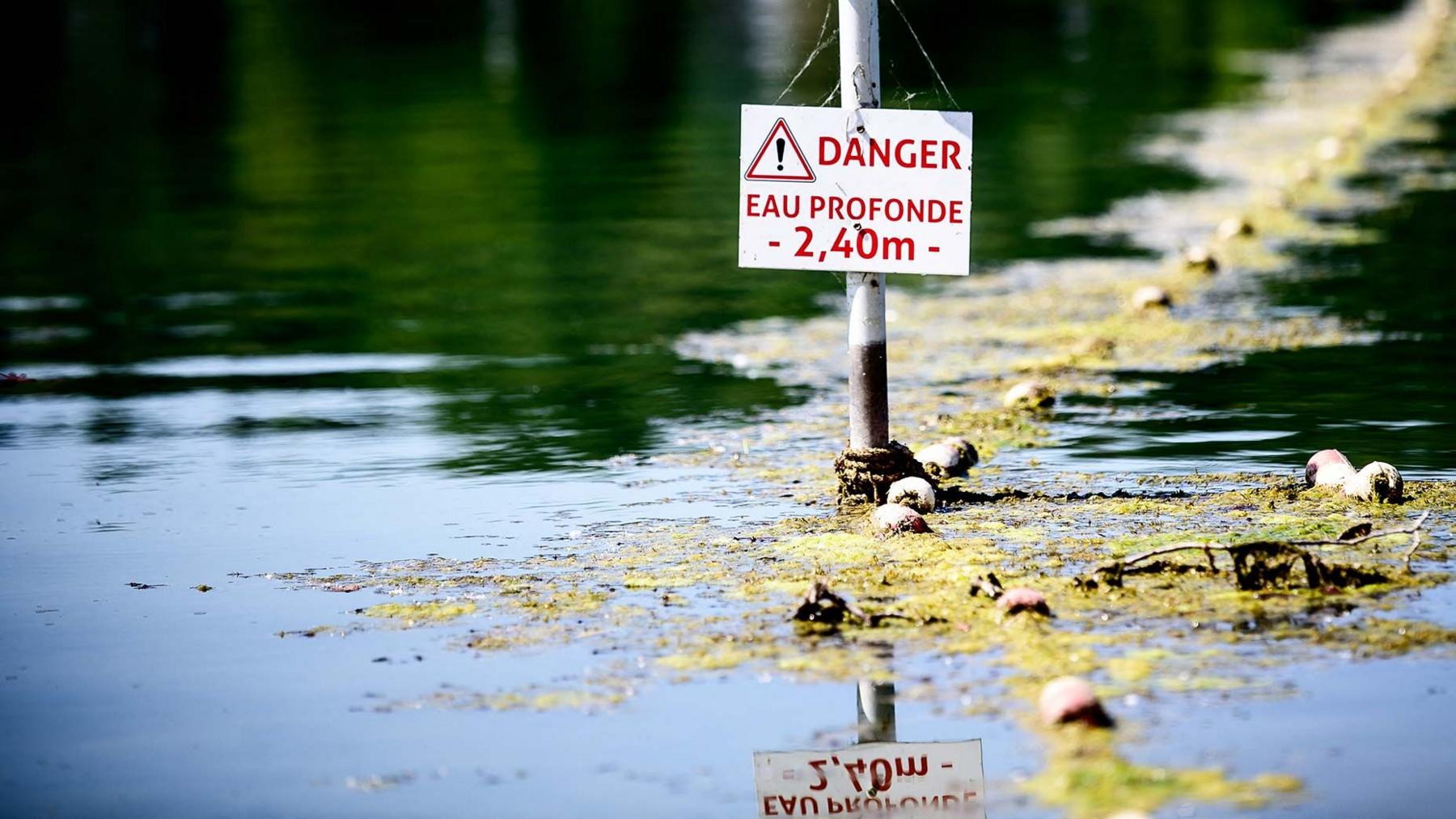
Two children aged two and four were found dead inside a family car in Carpentras after a shopping trip. Ambulance workers could not revive them, and the state prosecutor links the cause to the heatwave. The French government has advised against unsupervised swimming and banned alcohol at the national Fête de la Musique to preserve emergency services.
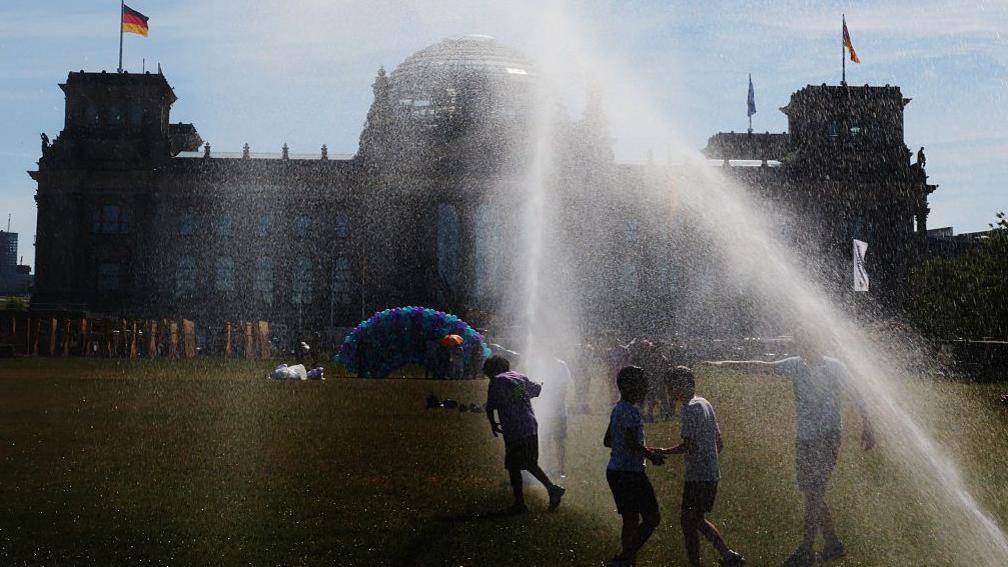
Red alerts have also been issued in Germany, Italy, Switzerland and Luxembourg. In Spain, the state service Aemet warns of temperatures 5–10͏C above normal, with San Sebastian forecast to hit 40͏C, a two‑fold increase above its norm. Italy’s red alerts cover 12 cities, including Milan, Turin and Rome, following several days above 35͏C.
- Germany: five drowning deaths over the weekend, temperatures already hit 38͏C.
- United Kingdom: the Met Office has issued a rare red heat warning, foreseeing 38͏C in parts of England and Wales.
- Greece: a wildfire near Akraifnio forced a motorway closure amid hot, dry conditions.
- Belgium: record temperatures predicted, with train cancellations announced.
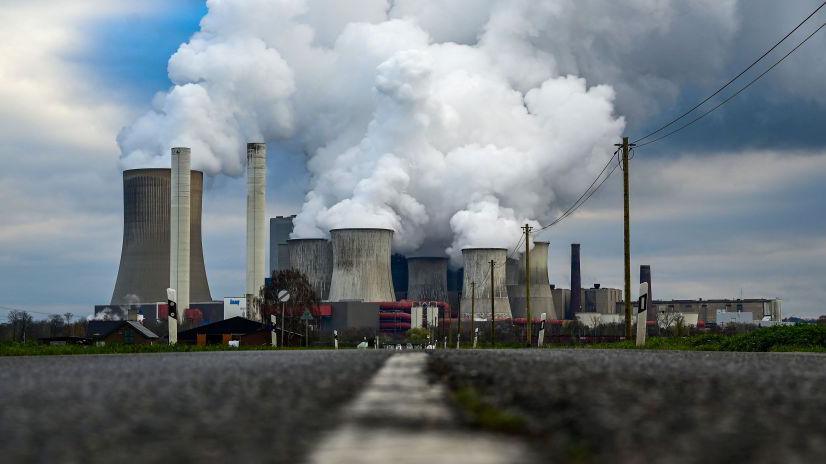
The heat is being driven by hot air from the Sahara that is trapped over Europe, with scientists noting the rise in frequency of such events since 2000 as a sign of global warming. The forecasters warn that the heatwave will be "long‑lasting and intense" until the end of the week.
In addition to transportation and schooling disruptions, public health authorities warn of heat‑related illness, calling for increased monitoring of vulnerable populations. The national alcohol bans at large festivals are an example of broader policy responses to safeguard health during extreme heat events.